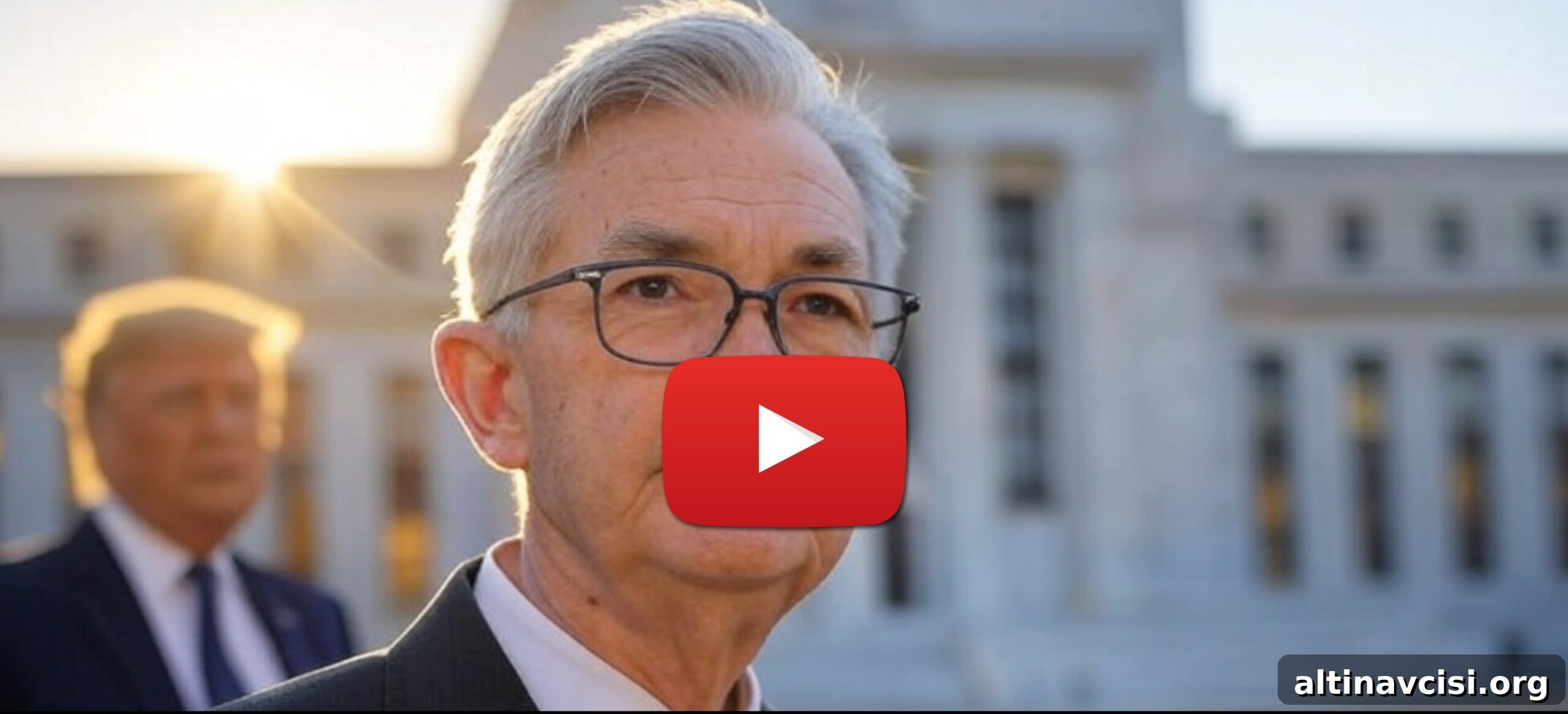
President Trump recently suggested he might remove Federal Reserve Chair Jerome Powell before Powell’s term ends next year, citing disagreements over interest-rate policy. The remark provoked immediate market unease and renewed debate over the legal and constitutional limits on presidential authority to remove the head of the central bank.
Powell and other Fed officials have argued that dismissing the chair for political reasons would be improper and likely unlawful. Harvard Law Professor Daniel Tarullo, who served on the Federal Reserve Board, frames the issue as two core legal questions. First: does the position of Fed Chair carry “for cause” removal protection that shields the official from being fired except for specific misconduct? Second: would the Supreme Court uphold a president’s power to remove leaders of independent agencies, including the Federal Reserve, if challenged?
Tarullo observes that recent Supreme Court decisions have strengthened executive authority in other contexts, but he cautions that the Federal Reserve may be treated differently. Several conservative justices have signaled an awareness of the Fed’s unique role and long-standing independence—an institutional legacy that traces back to early American financial experiments such as the First Bank of the United States. That history could influence how justices view the balance between presidential control and central bank autonomy.
Legal experts say any attempt to fire the Fed Chair would likely prompt a high-profile legal battle, given the complex mix of statutory interpretation, constitutional separation-of-powers questions, and the practical consequences for monetary policy credibility. Markets often react sharply to threats against central bank independence because investors rely on predictable, rules-based monetary policy when assessing interest-rate risk and planning financial decisions.
Observers note that the statutory language governing the Fed’s leadership does not expressly grant the chair a clear “for cause” tenure protection in the same terms used for some other independent agency officials. Instead, the Fed operates under a governance structure that blends elements of public accountability and operational independence. That ambiguity is one reason legal scholars disagree on how a court would resolve a removal challenge.
Beyond the formal legalities, political dynamics matter as well. Presidents historically have clashed with central bankers over interest-rate settings and other policy tools, but removals of key central bank officials are rare because they risk undermining confidence in the institution’s commitment to long-run objectives like price stability and full employment. Economists warn that politicizing central bank leadership could lead to higher inflation expectations and greater market volatility.
Should a removal attempt reach the Supreme Court, justices would weigh competing considerations: the constitutional separation of powers, precedent concerning independent agencies, the practical need for a stable monetary authority, and the particular statutory framework governing the Federal Reserve. The outcome would carry significant consequences for the future relationship between the presidency and independent financial regulators.
In the short term, markets and policymakers are monitoring rhetoric and signaling from both the White House and the Fed. While speculation about an early termination of the Fed Chair has unsettled investors, any concrete move would likely trigger litigation, extensive public debate, and a careful judicial examination of the limits of presidential removal power over central bank officials.