
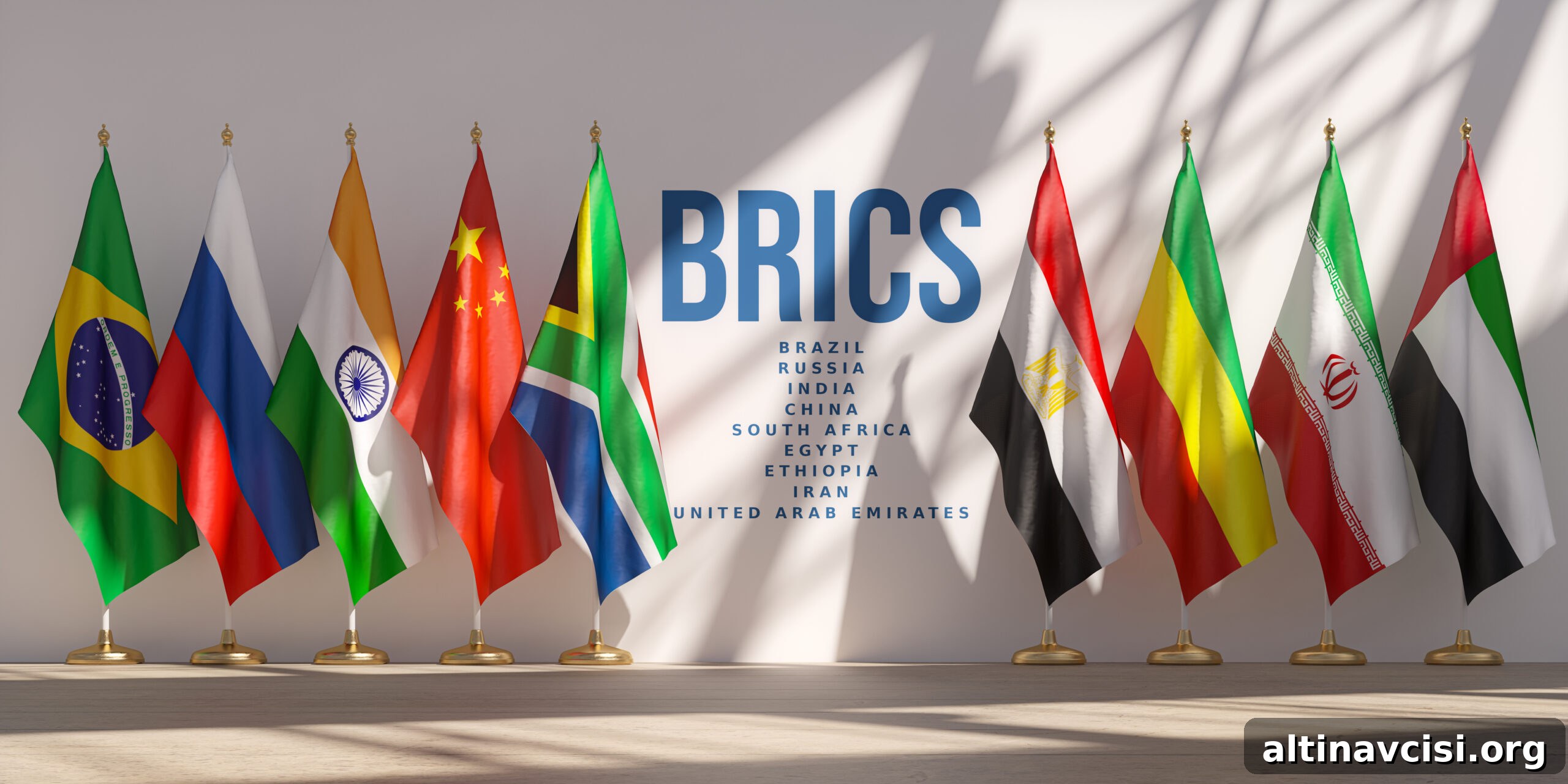
The BRICS nations gathered in Brazil for a two-day summit that addressed rising tariffs and military conflicts in the Middle East, while avoiding direct references to the United States or to former President Donald Trump. Notably, Chinese President Xi Jinping and Russian President Vladimir Putin did not attend the meeting in person.
During the summit, the bloc condemned attacks on Iran and highlighted the humanitarian crisis in Gaza, calling for measures to protect civilians and increase humanitarian assistance. At the same time, the communique steered clear of explicit criticism of Russia’s actions in Ukraine, reflecting the diplomatic sensitivities within the group.
Following the summit, former President Trump warned he would consider imposing an additional 10% tariff on any country that adopted what he described as “anti-American policies of BRICS.” In response to these tensions, Brazil, as host, emphasized less divisive topics such as trade cooperation and global health initiatives in an effort to lower the risk of economic retaliation and preserve constructive dialogue among members.
Leaders and delegates focused on strengthening economic ties, exploring opportunities for increased trade and investment within the BRICS framework, and discussing mechanisms to make international trade rules more inclusive for emerging economies. Discussions also addressed efforts to improve pandemic preparedness and to coordinate public health responses across member states.
Although the summit avoided naming specific countries in its critical statements, the themes underscored broader concerns about the impact of unilateral tariffs and military escalation on global stability and supply chains. The absence of Xi and Putin limited high-level bilateral engagements, yet representatives maintained diplomatic channels and issued joint language aimed at promoting cooperation and de-escalation in volatile regions.
The BRICS gathering also considered financial cooperation, including ways to enhance existing development banks and to explore alternative payment systems that could reduce reliance on dominant global currencies. Delegates highlighted the importance of stable trade relations and predictable policies to support long-term economic growth for member states.
Observers noted that the summit’s restrained tone reflected a balancing act: members sought to protect their economic interests and political relationships while expressing concern about humanitarian suffering and trade disruptions. By prioritizing consensus-driven statements and practical initiatives, hosts and participants aimed to sustain momentum for collaboration without provoking further geopolitical friction.
As the summit concluded, the final communique called for renewed diplomatic engagement, increased humanitarian assistance for affected populations, and continued dialogue on trade and health cooperation. The outcome signaled BRICS’ intent to remain a platform for coordination among emerging powers, even as members navigate differing foreign policy priorities and external pressures.