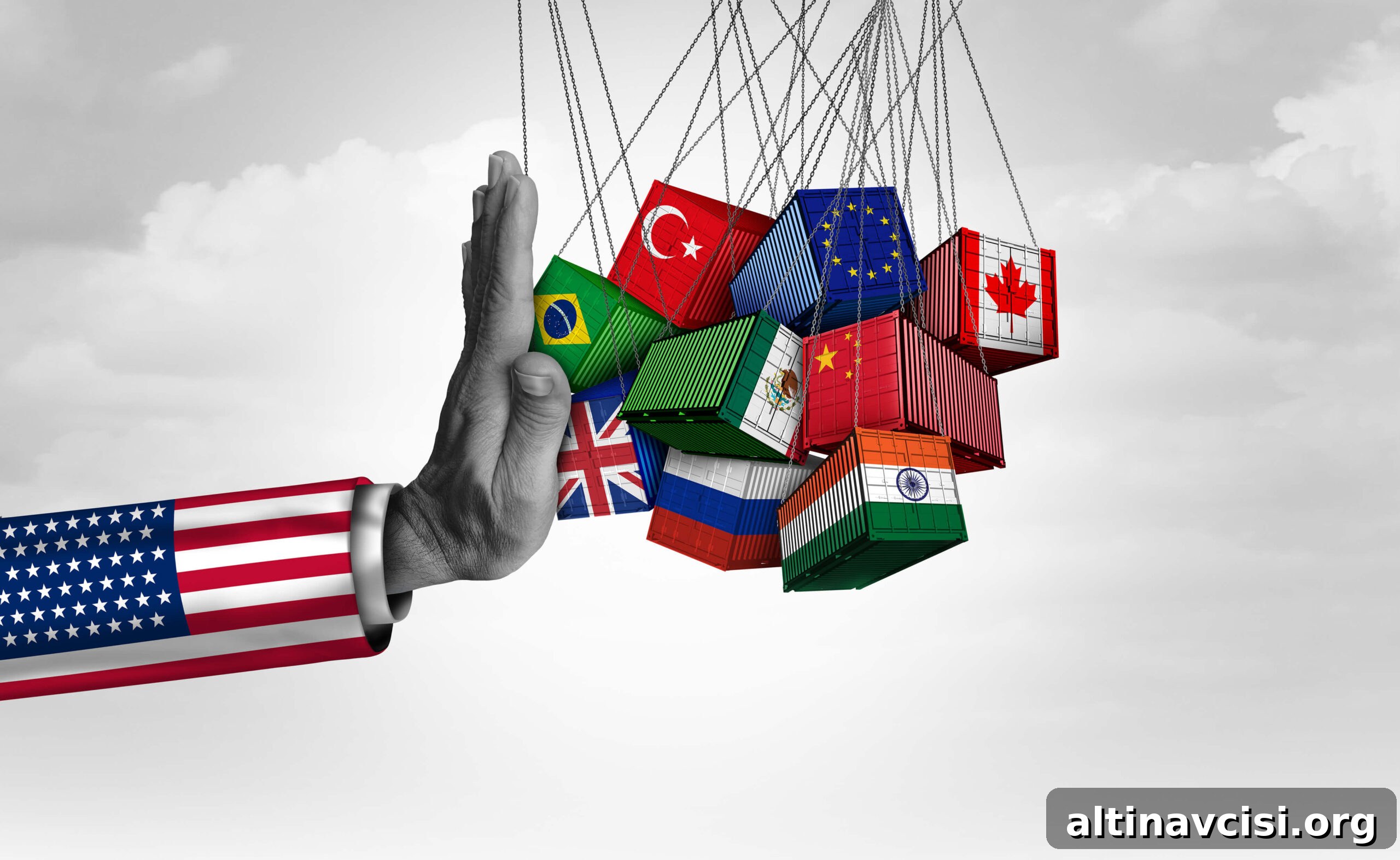
President Trump has announced new tariffs that will affect a wide range of imported goods. Under the plan, a 25% duty will apply to products from Japan and South Korea, while imports from about a dozen other countries could face rates up to 40%.
The tariffs are scheduled to take effect on August 1. The announcement has heightened worries about disruptions to international trade and prompted concerns among investors and businesses. In response, President Trump said that any retaliatory measures by affected countries would be met with higher U.S. duties.
Officials present the tariff program as an effort to bolster domestic manufacturing and protect U.S. industries. However, markets have already reacted: bond yields have moved higher and economists are raising the possibility that the tariffs could slow economic growth. Supply chains that depend on imported components may face higher costs, and companies may rethink sourcing and pricing strategies.
Diplomatic channels and trade negotiations remain open, and some governments have indicated a willingness to seek talks to avoid escalation. Still, the prospect of reciprocal tariffs and a broader trade conflict has increased uncertainty for exporters, importers, and consumers alike.
Analysts note several likely short-term and medium-term effects. In the short term, consumers could see price increases for goods that rely on imported parts or finished products. Businesses that rely on just-in-time inventories may experience disruptions as they adjust logistics and supplier relationships. In the medium term, manufacturers may consider reshoring production or diversifying supply chains, but those transitions can be costly and time-consuming.
Financial markets will be watching several indicators closely: corporate earnings reports, trade balance data, and any announcements from affected governments about countermeasures or negotiations. Policy decisions between now and the August 1 effective date will be key in determining whether the tariffs lead to protracted trade tensions or are resolved through diplomatic or commercial agreements.
For consumers and businesses, the immediate implications include higher prices on some imports and greater uncertainty for planning. For policymakers, the challenge will be balancing domestic industry protection with the risks of economic disruption and retaliatory actions that could amplify costs across the economy.