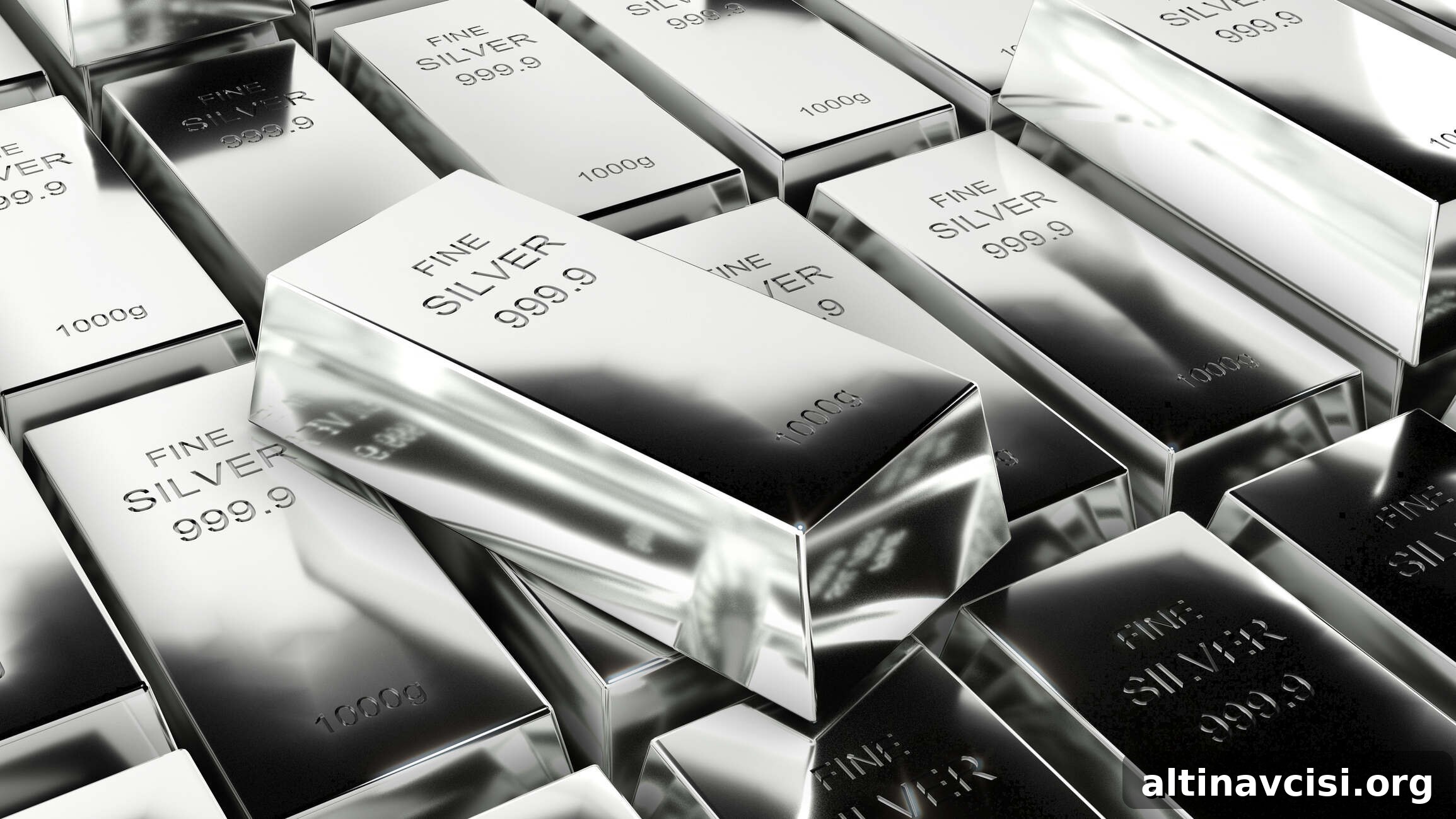
Silver has climbed roughly 35% over the past year, driven by a combination of growing industrial demand and renewed investor interest as a safe-haven asset. Strong consumption across photovoltaics, electric vehicles and broader electronics has pushed total silver demand to an estimated 1.16 billion ounces in 2024, while annual mine supply has remained close to 1.02 billion ounces. That persistent gap has produced structural deficits for a fifth consecutive year.
A key factor behind the supply constraint is that about 70–80% of silver is produced as a byproduct of mining for other metals, which makes primary silver production relatively inelastic. Because silver often comes bundled with copper, gold and zinc operations, rising silver prices do not immediately translate into a large increase in mine output. At the same time, recycling and scrap supply only partially offset the shortfall.
Monetary and currency trends are also supporting silver. Although inflation has moderated recently, expectations for U.S. interest rate cuts and a softer dollar could further lift precious-metal prices by improving the attractiveness of non-yielding assets. Investors often rotate into silver when real yields fall or when geopolitical and economic uncertainty increases, adding demand from exchange-traded funds and private hoarding.
Analyst price forecasts for the coming year differ considerably, with targets ranging roughly from $28 to $50 per ounce. Many market participants, however, anticipate more modest near-term gains — commonly in the 15–20% range over the next two years — reflecting a balance of supportive demand and limited near-term supply response. Over a longer horizon, some strategists are more bullish, projecting silver could exceed $80 per ounce by 2030 if industrial adoption accelerates and deficits persist.
Key drivers to watch include continued growth in solar panel manufacturing and EV production, trends in electronics consumption, the pace of recycling, and any changes in base-metal mining that would increase byproduct silver output. Equally important are macro factors: central bank policy, U.S. dollar strength, and investor flows into metals-focused funds. Together, these elements will determine whether current momentum is sustained and how quickly any further price appreciation occurs.