Tanker Struck in Hormuz: Trump Threatens Iran, Oil Prices Steady
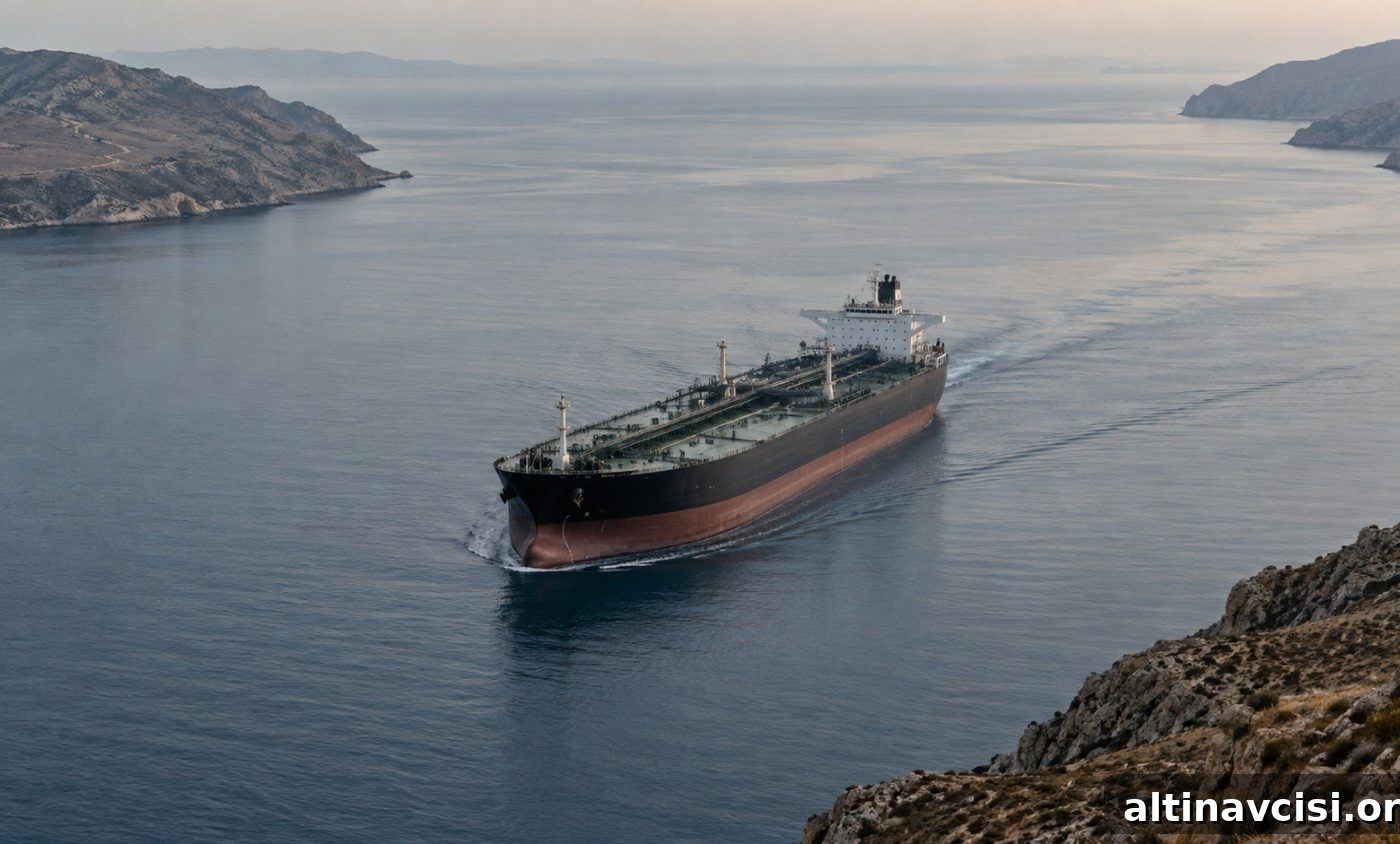
Iran’s Revolutionary Guard Corps says it struck and detained a tanker in the Strait of Hormuz on Friday. A separate report described another vessel being hit nearby, though it remains unclear whether that account refers to the same ship. The strike in the Hormuz shipping lane came hours after President Trump told Axios he faces a “big decision” on Iran. Gold traded at $4,352.29 an ounce, up 0.24% on the session, while silver outperformed at $66.35, up 1.74%. Oil, by contrast, moved only modestly. Explaining why the headlines and market moves diverge is important for investors tracking safe-haven metals and energy markets.
What did Iran’s Revolutionary Guard do in the Strait of Hormuz?
The IRGC Navy reported striking and detaining a Togo-flagged tanker named Trend late Thursday, saying the vessel attempted an illegal passage through the strait, caught fire and came to a stop. Separately, a maritime authority reported a tanker struck by an unknown projectile near Khasab, Oman, at roughly the same time. That agency did not identify the ship, and multiple reports said it was unclear whether the two accounts described the same vessel. Available reports indicated crew members named in initial accounts were safe.
President Trump’s remark that he is weighing a “big decision” on Iran appeared in the same news cycle. He told Axios he was considering whether to pursue actions that could topple the Iranian government or to hold back, a comment that intensified geopolitical uncertainty ahead of his meetings with Gulf leaders at the upcoming UN General Assembly.

The Edge Every Investor Needs
Smarter precious-metals investing begins with timely market insights. The Nuggets Newsletter delivers concise updates on gold, silver, policy moves, and global events that affect prices.
Why isn’t oil reacting strongly to the escalation?
Brent crude pared early losses and traded only slightly lower on the day, while WTI turned higher after earlier declines. That muted price response is not what many traders would expect after a tanker strike in the Strait of Hormuz and a heightened U.S. political stance. The key reason for the tame oil reaction lies with Saudi Arabia’s logistics: the kingdom has moved to route more crude shipments around the most dangerous stretches of water.
Saudi exporters have increased ship-to-ship transfers and shuttle operations that load tankers waiting outside the strait, allowing crude to move without transiting the riskiest waters directly. Data cited in market reports showed an uptick in transfers near ports in the region, a practical workaround that reduces immediate supply shocks and dampens a large oil price spike. One market strategist described the earlier drop in oil prices as a partial unwinding of risk premium already reflected in the market, rather than a definitive shift in global supply.
What is Saudi Arabia doing to route around damaged infrastructure?
A drone strike on a major East-West pipeline on September 10 took that line offline. That pipeline normally carries crude to the Red Sea and is well away from the Strait of Hormuz. Saudi Aramco has indicated it can restore about half the pipeline’s capacity in a matter of days, with full throughput recovering over several weeks. In the interim, shuttle-vessel operations and ship-to-ship transfers have filled much of the supply gap for many buyers.
European refiners are an exception: several reports noted that some European buyers were told they would receive no allocations under monthly contracts next month, and that certain cargoes had been canceled or pushed back. That suggests the workaround is effective globally for many buyers, but pipeline-dependent customers in Europe continue to face disruptions more directly.
Why are gold and silver only modestly higher today?
The primary driver for gold in this episode is real yields rather than headline geopolitics. The 10‑year Treasury yield had recently closed near multi-year highs, and a modest pullback in yields is helping gold trade slightly higher. Gold’s small gain today reflects that dynamic: without a sharp oil-driven inflation scare or a persistent spike in real yields, gold’s safe-haven demand only nudged prices upward.
Historically, strikes in the Hormuz region have lifted oil first, which in turn can raise inflation expectations and push real yields up—an outcome that tends to weigh on gold. On this occasion, oil did not spike significantly, so that chain of events did not unfold. Instead, gold rose modestly on the same market forces that had supported prices earlier in the week. Silver’s larger percentage move fits its typical pattern: it is more volatile than gold and reacts to both monetary factors and its industrial demand base.
What does this mean for the sound-money thesis?
This episode does not require readers to predict the final outcome of the Strait of Hormuz standoff. The broader point is that Gulf oil producers have long monetized contracts in dollars and reinvested proceeds into U.S. Treasury assets and gold reserves. That system is under strain, and incremental events—such as a single tanker strike—do not by themselves overturn complex energy and financial relationships.
Every logistical workaround or new shipping practice built to avoid a conflict zone is also a mechanism that changes trade flows and settlement patterns over time. Precious metals like gold and silver remain sensitive to changes in the value and yields of the currency in which they are priced; their importance depends less on any one headline and more on evolving monetary and market conditions.
Stay On Top of Gold & Silver Prices
Get important market alerts sent straight to your inbox.
Live snapshot (session):
Gold: $4,352.29 / oz • Silver: $66.35 / oz
SOURCES
1. Al Jazeera: coverage on the tankers and political remarks
2. CBS News: live updates on attacks in the Strait of Hormuz
3. AFP reporting on the IRGC statement and vessel identity questions
4. CNBC: market context for oil and regional developments
5. Bloomberg: reporting on Saudi Aramco and European allocations
6. Trade reporting and market-data outlets on ship-to-ship transfers and pipeline status
7. Federal Reserve and Treasury yield references for context on real yields and gold
Disclaimer: This article is for informational purposes only and does not constitute investment advice. Past performance is not indicative of future results. Consult a qualified financial advisor before making investment decisions.
You May Also Like:
- Rates Just Went Up Twice. Five Reasons Gold Didn’t Care.
- The Bank of Japan Raised Rates. Gold Barely Noticed.
- The Fed Hiked. The Bank of England Held. Similar Outcomes, Different Paths.
- Jobless Claims Beat Estimates. Gold Still Rallied—Signals Behind the Move.
- Gold and Silver Bounce Back as the Fed-Hike Selloff Reverses.
- The Fed Hiked Again. Many Officials Say It May Not Be Finished.
Popular Topics
Picked from the archive
-
01
 Topics
COMEX Silver Coverage Ratio: Is Your Paper Silver Genuine?
-
02
Topics
Gold Jumps 1% – Why July CPI Matters More Than the Headline
-
03
Topics
5 Key Signals Point to Next Week’s Fed Decision
-
04
Topics
Gold Remonetization: 6 Forces Reviving Gold as Money
-
05
Topics
How Kevin Warsh as Fed Chair Could Affect Gold Prices
-
06
Topics
Gold Drops 4% Today: 5 Signals the Market Is Stabilizing
-
07
Topics
Updated 2026 Gold Price Outlook After Q1
-
08
Topics
5 Drivers That Could Move Gold and Silver at Beijing Summit