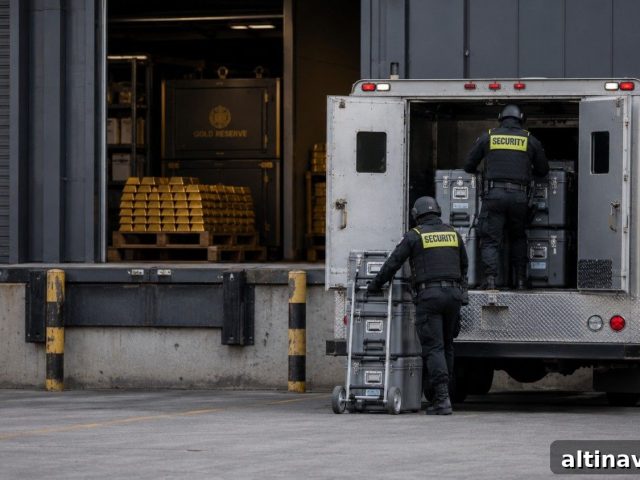
Why Krugerrands Have No Face Value: What It Means for Investors
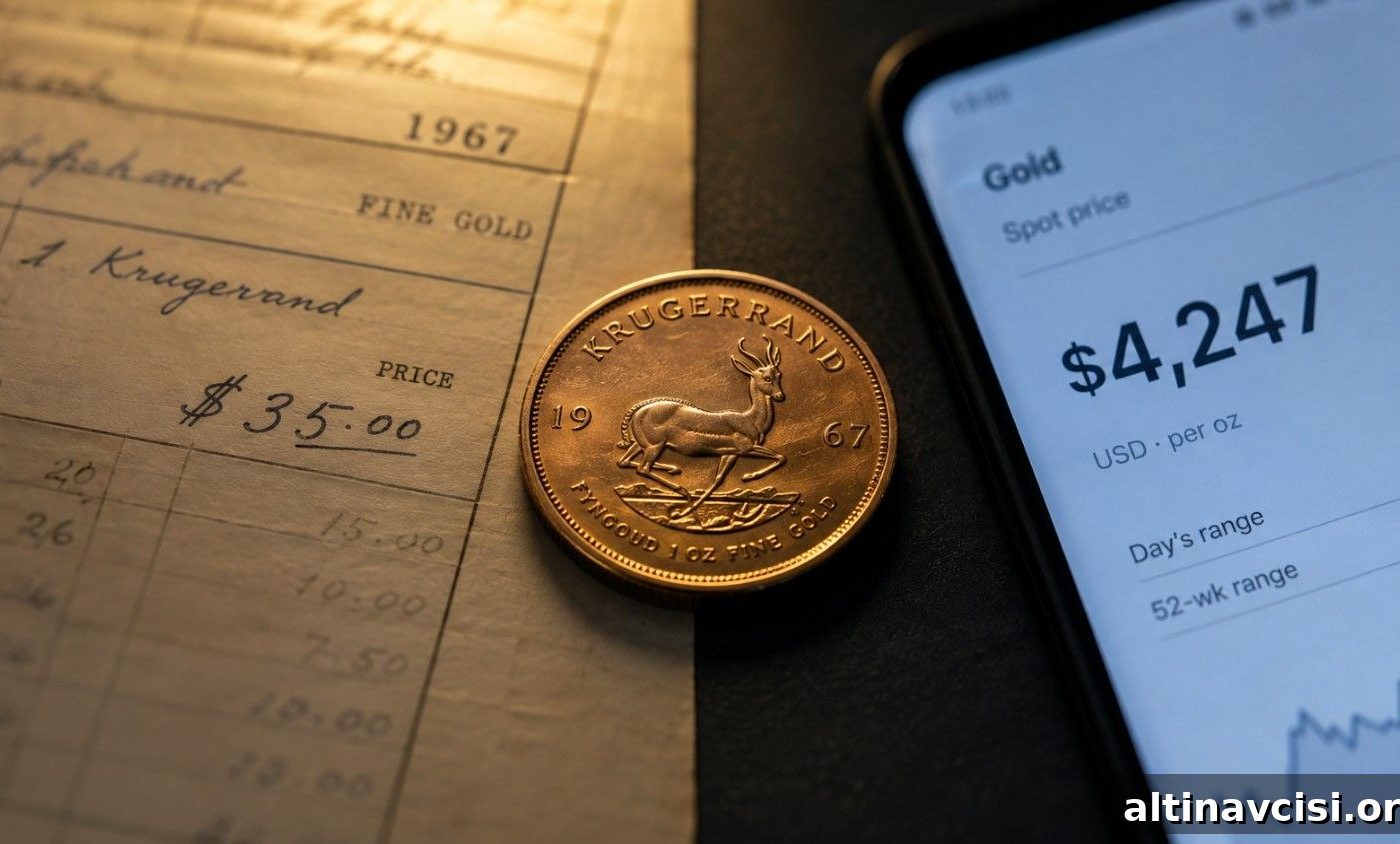
Key Takeaways
- The South African Krugerrand, first issued on July 3, 1967, was the first modern gold bullion coin created specifically for private investors.
- A 1 oz Krugerrand contains exactly one troy ounce of pure gold embedded in a 22-karat alloy (91.67% gold, 8.33% copper), giving the coin added durability and a warm tone.
- The Krugerrand carries no fixed face value; its legal-tender worth reflects the current market price of the gold it contains, shielding it from currency debasement.
- By 1980 the Krugerrand dominated the global gold coin market. A U.S. import ban in 1985–1991 indirectly inspired competing coins such as the American Gold Eagle and helped diversify the market.
- More than 60 million Krugerrands have been sold over nearly six decades, making them highly liquid and widely recognized bullion coins.
Before 1967, individual investors who wanted physical gold faced limited options: large bars, government channels, or complex dealer relationships. The Krugerrand changed that dynamic by packaging gold into an accessible, tradeable coin bearing a portrait of Paul Kruger and the springbok antelope. It established the blueprint for modern bullion coins and helped democratize gold ownership for everyday investors.
The Krugerrand was created by the South African Mint and the Rand Refinery to move physical gold out of government stockpiles and into private hands. Far from a commemorative or collectible piece, its purpose was practical: to provide a liquid, standardized vehicle for owning one troy ounce of gold in a form that was easy to buy, sell, transport, and store.
What Is the South African Krugerrand?
The South African Krugerrand is a gold bullion coin first released on July 3, 1967. Its name combines Paul Kruger — the portrait on the obverse — and the rand, South Africa’s currency. Designed as an investment coin rather than a collector’s item, the Krugerrand was intended to make gold ownership practical for private individuals while showcasing South Africa’s position as a leading gold producer.
The Knowledge That Changes Everything
Two essential guides — free. Learn why gold matters and how fiat currencies lose value over time.
What Is the Krugerrand Made Of?
A 1 oz Krugerrand contains one troy ounce of pure gold, but the coin’s total mass is heavier because it is struck in 22-karat gold. The alloy is 91.67% gold and 8.33% copper, producing a total coin weight of 1.0909 troy ounces (about 33.93 grams). Copper is added to make the coin harder and more resistant to wear; it also gives the Krugerrand its characteristic warm, reddish-gold color.
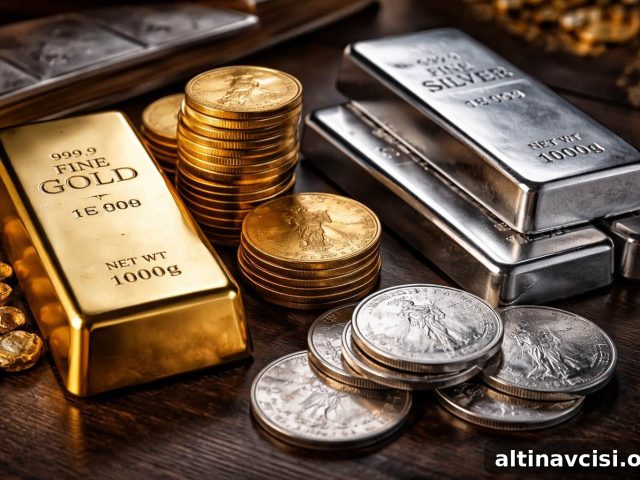
While the gold Krugerrand is the original and most widely held, the South African Mint also produces silver Krugerrands in .999 fine silver and platinum Krugerrands in .9995 fine platinum. The gold version remains the flagship issue and the best-known member of the family.
Why Does the Krugerrand Have No Face Value?
Though legal tender in South Africa, Krugerrands do not display a numeric face value. This deliberate design avoids linking the coin’s worth to a fiat currency, which can be debased through inflation or monetary policy. Instead, its legal-tender value equals the market price of the gold it contains. That approach preserves the coin’s role as a pure store of metal value rather than a token denominated in a potentially depreciating currency.
How Did the Krugerrand Dominate the Gold Coin Market?
South Africa was the world’s largest gold producer when the Krugerrand was launched. The government and industry promoted the coin internationally, and as the 1970s gold bull market accelerated, the Krugerrand became the most accessible and liquid way for private investors to own gold. Production rose rapidly: millions of Krugerrands were minted during the 1970s, and by 1980 the coin accounted for around 90% of the global gold coin market. In short, the Krugerrand did not merely participate in a market — it created the modern bullion coin market for private investors.
Why Was the Krugerrand Banned in the United States?
In 1985 the United States imposed an import ban on Krugerrands as part of sanctions against apartheid-era South Africa. The ban sharply reduced U.S. imports and caused minting to fall dramatically. It also led the U.S. government to support a domestic bullion coin program, resulting in the American Gold Eagle. The Krugerrand ban stayed in effect until 1991; imports were the target, not private ownership, and once sanctions lifted the Krugerrand returned to global markets.
The episode illustrates the resilience of bullion coins: political action can restrict trade temporarily, but the underlying demand for gold and widely recognized coin formats endures.
What Sizes Does the Krugerrand Come In?
From 1967 until 1979 the Krugerrand was produced only in the 1 oz size. In 1980 fractional sizes were introduced to broaden access:
- 1/2 oz — contains 0.5 troy oz of pure gold
- 1/4 oz — contains 0.25 troy oz of pure gold
- 1/10 oz — contains 0.1 troy oz of pure gold, often the most affordable entry point
All sizes keep the same 22-karat alloy and the classic Krugerrand design. Fractional coins generally carry higher manufacturing premiums per ounce but allow investors to buy smaller amounts of gold at lower total cost. Proof versions are also produced for collectors, featuring mirror finishes, sharper detail, and limited mintages.
How Does the Krugerrand Compare to Other Gold Bullion Coins?
The Krugerrand set the standard that later bullion coins followed, but competitors made different choices to appeal to specific buyers. The Canadian Gold Maple Leaf adopted .9999 fine gold for higher purity. The American Gold Eagle uses the same 22-karat alloy as the Krugerrand and carries a nominal face value written into U.S. law. Many modern sovereign coins trade at low premiums over spot gold; the Krugerrand is frequently among the lowest, thanks to deep liquidity and a long production history. For many investors, the deciding factors are premium, liquidity, and ease of resale — areas where the Krugerrand performs strongly.
Is a Krugerrand a Good Investment?
Whether a Krugerrand is the right purchase depends on your goals. For those who want the most gold for the least premium, the Krugerrand is a competitive choice. It offers broad global recognition, consistently low dealer spreads, and high liquidity. It is not a speculative or collectible play by default; it is a straightforward way to own one troy ounce of gold. If your priority is ease of resale and minimizing premium over spot, the Krugerrand is among the best options in the sovereign coin market.
What Is the Design of the Krugerrand?
The Krugerrand’s design has remained largely unchanged. The obverse shows a left-facing portrait of Paul Kruger, rendered from an 1892 die by Otto Schultz, with the inscriptions “SUID-AFRIKA” and “SOUTH AFRICA.” The reverse features a springbok antelope in full stride, sculpted by Coert Steynberg. The bullion issues have 160 reeds on the edge; proof coins have 220 reeds. The consistency of the design contributes to the coin’s recognizability and resale value.
Stay On Top of Gold & Silver Prices
Get important market alerts sent straight to your inbox.
People Also Ask
Can You Hold a Krugerrand in a Gold IRA?
No. U.S. Individual Retirement Account rules require certain minimum fineness for coins held in an IRA. The Krugerrand’s 22-karat composition (91.67% gold) does not meet the usual .995 fineness requirement. Other coins, such as the Canadian Gold Maple Leaf (.9999) and the American Gold Buffalo (.9999), are typically eligible. The American Gold Eagle, though 22-karat, received a specific legal exemption and is IRA-eligible.
How Are Gains from Selling a Krugerrand Taxed in the US?
In the U.S., physical gold coins like the Krugerrand are treated as collectibles for tax purposes. Long-term capital gains on collectibles are taxed at a maximum federal rate of 28%, which differs from the lower long-term capital gains rates that apply to many securities. Short-term gains (holding periods under one year) are taxed as ordinary income. Always consult a tax advisor for advice tailored to your situation.
How Do You Verify That a Krugerrand Is Genuine?
Common authenticity checks include verifying weight (a 1 oz Krugerrand weighs 33.93 grams), diameter (32.77 mm), and thickness (2.84 mm), and counting the edge reeds (160 on bullion issues, 220 on proofs). A precise scale and calipers can detect most counterfeits. The “ping” test — listening for a sustained, high-pitched ring — also helps, though laboratory tests or third-party certification provide the highest assurance for high-value or early-date pieces.
What Is the Difference Between a Bullion Krugerrand and a Proof Krugerrand?
Bullion Krugerrands are struck for investors with a standard matte finish and 160 edge reeds, and they trade close to the gold spot price with modest premiums. Proof Krugerrands are collector pieces: mirror fields, frosted devices, more reeds on the edge, limited mintages, and significantly higher premiums above melt value. Investors seeking the lowest cost per ounce typically choose bullion issues.
Does the Krugerrand Come in Silver or Platinum?
Yes. The South African Mint issues Krugerrands in silver (.999 fine) and platinum (.9995 fine) as well as gold. These versions use the same classic obverse and reverse designs and provide lower-cost or different-metal exposure within the Krugerrand family.
The Longer View
The Krugerrand proved that gold could be standardized into a highly liquid, portable, and investor-friendly format. Nearly six decades after its debut, the coin still offers the same one troy ounce of fine gold it always did. Currencies change in purchasing power; gold’s intrinsic metal content does not. For investors seeking a durable, recognized way to hold physical gold, the Krugerrand remains a foundational option.
SOURCES
1. South African Mint — official coin specifications, history, and product range (South African Mint).
2. Office of the Federal Register — Executive Order 12535, “Prohibition of the importation of the South African Krugerrand” (historical record).
3. Wikipedia — summary and references for Krugerrand history and production statistics.
4. CoinWeek — coverage of Krugerrand history and embargo effects.
5. Jardines Galleries — numismatic reference on Krugerrand production and minting details.
6. FindBullionPrices — market commentary on premiums, sizes, and liquidity for bullion coins.
7. Gold price reporting services — live spot prices and historical charts for gold.
8. IRS guidance and tax commentary on IRA eligibility and collectibles taxation.
Disclaimer: This article is for informational purposes only and does not constitute financial or investment advice. Always consult a qualified financial adviser before making investment decisions.
You May Also Like:
- The London Fix Prices Unallocated Gold — What That Means for Where Yours Lives
- How Changes to CPI Measurement Affect the Inflation Number
- M2 Money Supply: Why That Number Matters for Your Portfolio
- The Gold IRA Rollover Considerations Most Investors Miss
- The Canadian Gold Maple Leaf: High Purity, Low Premium, IRA-Eligible
- How the Federal Reserve Has Affected the Dollar’s Purchasing Power Since 1913
- Class 3 Vault Standard: The Two-Hour Attack Protection for Stored Gold
Popular Topics
Picked from the archive
-
01
 Topics
Iran Rejects Talks as Gold and Silver Prices Slide
-
02
Topics
Use the 50-Day Moving Average to Read Gold and Silver Trends
-
03
Topics
Gold Prices Near $4,000 as Job Cuts Reach 20-Year High
-
04
Topics
Five Key Reports Shift Gold Prices and September Fed Pivot Odds
-
05
Topics
Gold Price Support Shifts After Ceasefire Violation
-
06
Topics
Gold Slumps 14% in March as Inflation Lingers
-
07
Topics
Gold vs Silver: How to Balance Risk and Role in Your Portfolio
-
08
Topics
Gold Radar: 5 Hidden Signals Your Price Chart Misses