Gold Price to Hit $5,500 by Q1 2027? Central Bank Risk
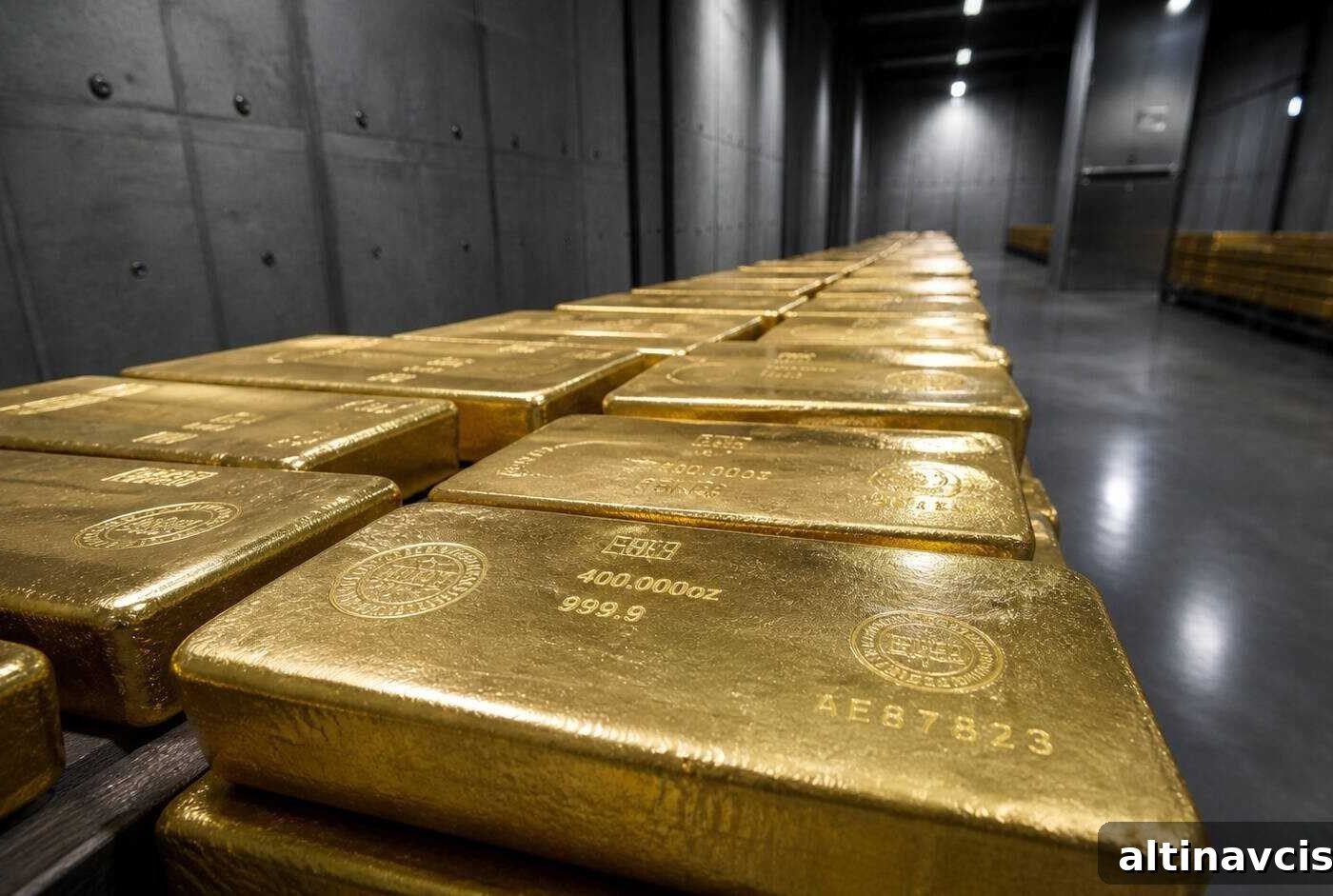
Gold is trading near $4,560 per ounce, about 18% below its record high of $5,589.38 set on January 28, 2026. Nitesh Shah, head of commodities and macro research at WisdomTree, forecasts gold could reach $5,500 by Q1 2027, with central bank policy errors seen as the primary catalyst. With the risk of stagflation rising and policymakers balancing inflation containment against the risk of recession, the structural case for gold remains strong.
After an exceptional 2025 rally—roughly a 65% gain and the strongest annual performance in more than 40 years—gold closed the year near $4,310 per ounce and pushed to a new high in January 2026. Since that peak, geopolitical tensions and market dynamics have pulled prices back to current levels. Investors now ask whether recent weakness is a temporary pause in a broader bull market or a longer-term reversal.
A leading analyst argues it’s a pause. Shah’s forecast of $5,500 by early 2027 is driven largely by two forces: continued central bank accumulation of reserves and the prospect that central banks will make policy mistakes—either tightening too aggressively and causing recession or easing too soon and reigniting inflation. Historically, both scenarios have supported gold.
What Is Central Bank Policy Risk — and Why Does It Matter for Gold?
Central bank policy risk refers to the chance that monetary authorities misjudge the economy—raising rates so high they trigger a recession or cutting too quickly and allowing inflation to accelerate. Both outcomes tend to be favorable for gold: a recession can fuel safe-haven demand, while renewed inflation erodes real yields and boosts gold’s appeal as an inflation hedge.
The dilemma is acute today. Central banks are trying to eradicate sticky inflation without causing a sharp downturn. The margin for error is slim and the policy tools are blunt. As Shah puts it, “Central banks are fully cognizant that there’s not much they can do with interest rate policy without inflicting pain.” That pain—stagflation, a hard landing, or a crisis of currency confidence—has historically redirected capital toward gold, an asset that holds value independent of any issuer’s promise.
Shah’s $5,500 projection sits at the conservative side of his range. Even in a pessimistic scenario—where inflation returns to 2%, the dollar strengthens, and bond yields rise—his model still points to a downside floor near $4,630 per ounce. The implication: limited downside risk with significant upside potential.

Your Gold Buying GuideMost investors overpay when buying gold and again when selling. This guide explains what to own and why.
Sign up to receive practical guidance on buying and storing physical gold, choosing ETFs, and building a reserve-aware portfolio.
Why Are Central Banks Still Buying Gold in 2026?
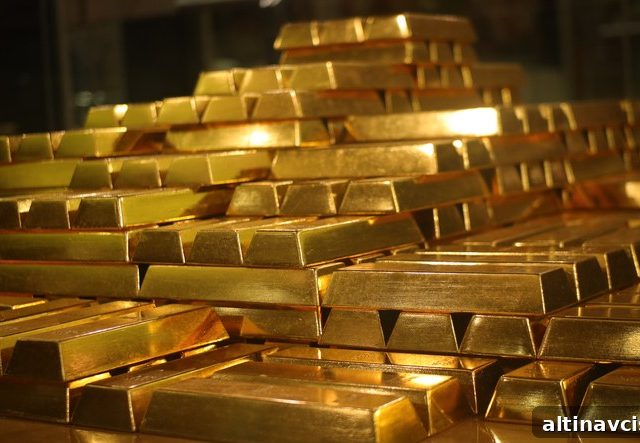
Central banks added 863 tonnes of gold in 2025, a level far above the prior decade’s average and one of the largest annual totals on record. The purchases came from more than 20 institutions, with diverse buyers such as Poland leading and countries like Brazil returning to the market. The key point is breadth: this is a broad, structural shift in reserve behavior rather than a one-off spike.
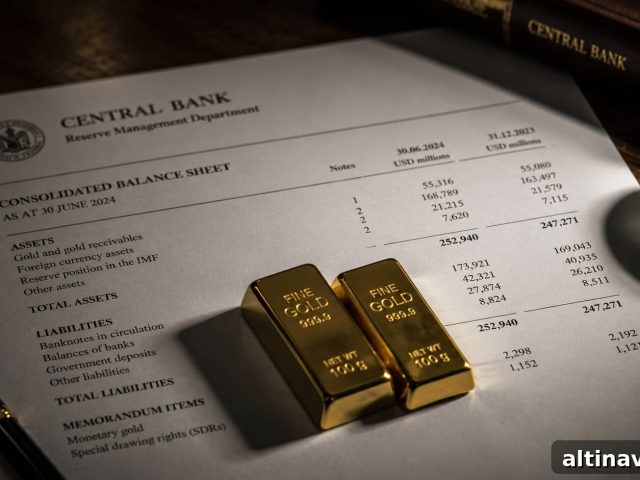
This trend reflects an ongoing move away from heavy reliance on U.S. Treasuries—often described as de-dollarization—and toward diversification into non-dollar assets, including gold. By late 2025, gold surpassed U.S. Treasuries by value to become the largest reserve asset in dollar terms. Official disclosures, particularly from large holders, likely understate actual accumulation, but the observable pattern is clear.
Sovereign purchases are policy-driven, not speculative. Governments treat gold as a reserve asset and rarely sell during price drops. That price-insensitive, one-directional demand creates a different structural floor for gold than existed a decade ago and contributes to the durable bullish case.
Is $5,500 Gold by Q1 2027 Actually Realistic?
Yes—many institutional forecasts place such levels within the plausible range, though the path may be uneven. Shah’s $5,500 target aligns with the conservative end of several major banks’ projections, which factor in both investor demand and continued central bank buying. For example, other institutional models forecast multi-thousand dollar averages by late 2026–2027 when central bank flows and investor rotation are combined.
A notable risk to the upside is any rotation of even a small portion of large fixed-income holdings into gold; such a shift would represent significant capital flowing into a relatively small market. Conversely, a credible soft landing—where inflation returns to target without recession—would strengthen real yields and the dollar, creating headwinds for gold. Geopolitical calm could also reduce short-term safe-haven demand. Still, even conservative scenarios tend to show limited downside from current levels.
How Should Investors Position Now?
In a multi-year bull market driven by structural reserve shifts, corrections are often the best buying opportunities. Current prices—roughly 18% below January’s peak—represent a meaningful pullback rather than a change in the long-term thesis.
Start with physical gold. Bars and coins carry no counterparty risk. Physical ownership is the foundation of a reserve-aware allocation.
Use ETFs for flexibility. Exchange-traded funds provide efficient exposure and liquidity without the logistics of personal storage, complementing physical holdings.
Expect volatility, but keep perspective. Sharp pullbacks are common in commodity bull markets. The 2025 rally featured multiple corrections before reaching new highs. Short-term swings do not invalidate the structural drivers—policy uncertainty, currency diversification, and sovereign accumulation—that support gold over a multi-year horizon.
Stay On Top of Gold & Silver Prices
Receive market alerts and concise insights directly to your inbox.
People Also Ask
What factors are driving the gold price forecast toward $5,500 by Q1 2027?
The main drivers are the risk of central bank policy errors, sustained sovereign gold buying, a weakening U.S. dollar in some scenarios, and persistent inflation pressures. Analysts argue that stagflation risk—where growth weakens while inflation remains elevated—is an underappreciated bullish catalyst for gold.
How do central bank policies impact gold prices?
Central banks influence gold both directly, through purchases that create sustained demand, and indirectly, through interest rate decisions that move real yields and the dollar. Policy choices that raise recession or stagflation risks tend to support gold.
Is $5,500 gold by Q1 2027 a realistic price target?
It falls within the range of credible institutional forecasts. Several major firms project multi-thousand-dollar averages by late 2026–2027 under continued central bank demand and ongoing policy uncertainty. The timing may vary, but the direction is widely regarded as plausible among many analysts.
What role does inflation play in gold price increases?
Inflation reduces the real value of cash and fixed-income holdings, enhancing the relative attractiveness of non-yielding assets like gold—particularly when real interest rates are low or negative. That dynamic strengthens the case for gold as an inflation hedge.
How does U.S. dollar weakness affect gold?
Gold is priced in dollars globally. A weaker dollar makes gold less expensive outside the U.S., increasing demand. Dollar weakness can also reflect broader concerns about fiscal or monetary credibility, which tends to favor gold as a hedge.
So, Where Does That Leave You Right Now?
Gold currently trades below its all-time high but remains supported by elevated central bank buying and structural reserve diversification. The analyst who accurately forecast much of the rally sees $5,500 by early 2027 as a conservative outcome. While short-term volatility is likely, the medium-term direction looks constructive.
The thoughtful question for investors is not whether to hold any gold, but how much to hold relative to the rest of the portfolio. If you are re-evaluating your allocation, consider a combination of physical metal for long-term security and ETFs for liquidity and convenience.
SOURCES
1. Invezz — reporting on expert commentary about central bank policy risk.
2. WisdomTree — market research and outlook on gold.
3. World Gold Council — annual and quarterly gold demand reports.
4. J.P. Morgan Global Research — institutional gold price scenarios and forecasts.
5. Public market data and historical price series for gold and fixed-income assets.
Disclaimer: This article is for informational and educational purposes only and does not constitute investment advice. Consult a qualified financial adviser before making any investment decisions.
You may also like:
- Why Gold Stabilizes — and Silver Amplifies
- COMEX Silver Coverage Ratio: Is Your Paper Silver Real?
- What the Gold Price Per Ounce Really Tells You
- The Gold Inflation Paradox Most Investors Miss
- Insurance vs. Upside: Balancing Your Portfolio with Gold and Silver
- Gold Bullion vs. Jewelry: Why Serious Investors Choose the Bar
- Gold & Silver IRA: Why Starting Early Costs You Less
- Silver Fair Value: What the Data and History Show
Popular Topics
Picked from the archive
-
01
 Topics
Federal Reserve Pauses While Debt Soars: Gold Outlook
-
02
Topics
Treasury Secretary Urges Fed Rate Cut After Revised Jobs Report
-
03
Topics
Why Metals Led Markets in 2025 and What It Means for 2026
-
04
Topics
Numismatic vs Bullion Coins: Which Should You Buy?
-
05
Topics
How the Current Gold Rally Compares to Past Bull Markets
-
06
Topics
World Gold Council: Gold Nears Technical Break as Markets Stall
-
07
Topics
Central Bank Gold Sales and Their Impact on Prices
-
08
Topics
Gold at $3,400 as Markets Await Aug 28, 2025 PCE Data