How Kevin Warsh as Fed Chair Could Affect Gold Prices
Gold and silver market update — April 24, 2026
Key Takeaways
- The DOJ dropped its criminal probe of Fed Chair Jerome Powell on April 24, 2026, triggering a rapid rise in prediction-market odds for Kevin Warsh’s confirmation. Markets moved sharply, and gold rose rather than fell — suggesting investors had been pricing a discount to Fed independence, not only expectations about the rate path.
- Warsh’s likely confirmation does not settle gold’s structural case. Warsh himself has acknowledged the Fed’s 2021–2022 policy mistakes that contributed to large cumulative price increases. Restoring institutional credibility while managing a roughly $39 trillion debt burden constrains how far real yields can sustainably rise.
- Watch the April 29 FOMC meeting for Powell’s exit language. The rate decision—a likely hold—is largely priced in. The critical question is whether Powell signals a path to cuts in 2026. That guidance will help define the near-term ceiling or floor for gold as the Warsh era begins.
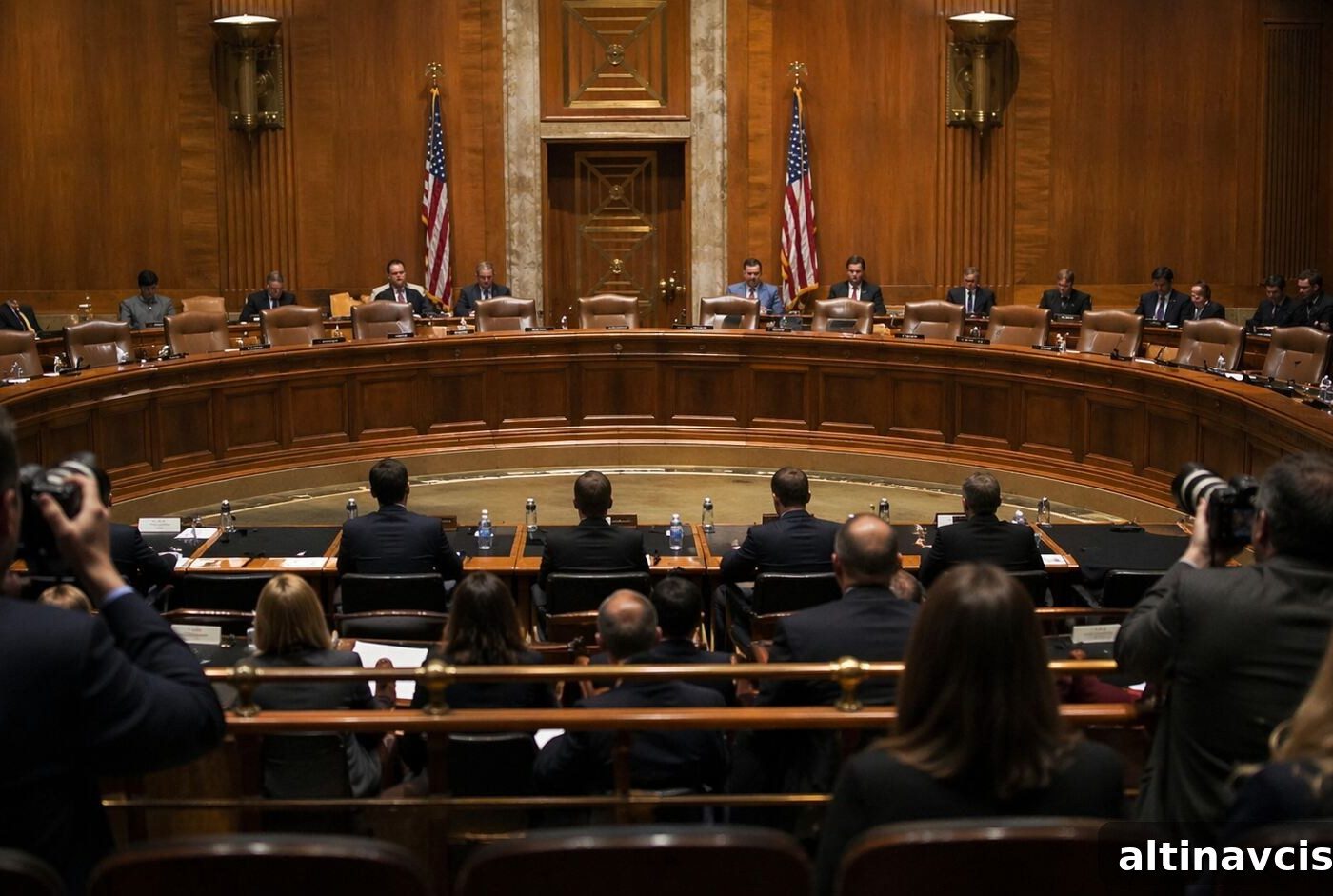
On April 24, the Justice Department abruptly ended its criminal inquiry into Federal Reserve Chair Jerome Powell. That decision removed the final major legal obstacle to Kevin Warsh’s expected confirmation and sent prediction markets sharply higher on his odds of taking the helm at the Fed. Unusually, gold prices rose following the news—an important signal about how investors interpret institutional risk and monetary credibility.
Gold spot traded near $4,723 an ounce at Friday’s close, up from intraday lows around $4,689. Two developments drove the market reaction: the DOJ’s announcement that it was dropping the Powell probe, and reports of diplomatic progress between the U.S. and Iran. Together, these reduced specific geopolitical and institutional risk premiums that had been supporting the dollar and pressuring bullion.
The DOJ investigation, which began in January 2026 and focused publicly on Fed records and a renovation project, always had deeper implications. Market observers worried less about a building and more about whether the executive branch could use criminal process to influence interest-rate decisions. That threat—visible to foreign central banks, institutional bond buyers, and sovereign wealth funds—introduced a distinct uncertainty: not simply “will the Fed cut rates?” but “will the Fed be allowed to set rates independently?”
When a federal judge quashed subpoenas related to the probe in March, he framed the subpoenas as pressure intended to sway rate-setting behavior. With the DOJ’s decision to close the criminal inquiry, that specter has diminished. The dollar briefly strengthened on the news, yet gold held firm and then advanced—an indication that markets view the removal of institutional risk as supportive to the dollar short term while leaving long-term structural drivers for gold intact.
Why the DOJ Probe Mattered for Gold Prices
The DOJ probe mattered because it raised the possibility that political pressure could influence monetary policy. That is fundamentally different from ordinary rate uncertainty. When investors fear that the Fed’s independence is compromised, they reprice risk premia across currencies, bonds, and safe-haven assets. Gold is sensitive to that sort of institutional risk; its recent advance reflects the market’s view that the immediate institutional threat has eased, even if other long-term constraints remain.
What a Hawkish Fed Chair Could Mean for Gold in 2026
The simple narrative is familiar: a hawkish Fed chair restores credibility, real yields rise, the dollar strengthens, and gold comes under pressure. That channel is real in the short term. But it’s incomplete. Kevin Warsh has explicitly acknowledged the Fed’s policy errors in 2021–2022 and called for a change in the conduct of policy. His task will be rebuilding credibility—an effort constrained by a large fiscal overhang.
The Congressional Budget Office projects long-term debt that implies high interest costs and limited fiscal flexibility. The U.S. already pays over $1 trillion a year in interest, greater than the defense budget. Faced with that reality, any Fed chair must balance the risk that aggressive tightening could destabilize Treasury markets against the risk that easing could rekindle inflation. Gold can benefit whether policy tilts toward the risk of higher rates or toward accommodation that compromises real yields.
Is a Hawkish Fed Actually Bad for Gold? The Bear Case
If Warsh successfully restores credibility and real yields rise materially while inflation returns to a stable 2% path, gold could face a meaningful headwind. Historical analysis indicates that rising real yields typically compress gold prices. That is the core bear case for bullion over a 12–18 month horizon.
However, the opposing structural argument notes that restoring credibility in the presence of persistent fiscal deficits likely requires politically difficult deficit reduction or financial repression. Financial repression—policies that keep real rates low or cap market yields—has historically been favorable for gold. Likewise, the dollar’s status as the global reserve currency faces pressures that can support gold’s role as a hedge.
What Gold Investors Should Watch at the April 29 FOMC Meeting
The rate decision itself is widely expected to be a hold. The more important output is Powell’s exit statement and press-conference language. Will he leave the door open to cuts later in 2026 should energy prices ease and geopolitical tensions abate, or will he emphasize continued patience? Powell’s tone can influence real yields at the margin and create short-term direction for gold as markets assess the policy path Warsh will inherit.
Past leadership transitions at the Fed have produced temporary noise rather than lasting shifts in gold’s fundamentals. For example, when Powell first succeeded Janet Yellen, markets initially reacted to the credibility signal before refocusing on yield dynamics. Traders will dissect Powell’s final words as chair for clues about future rate trajectories.
What This Means for Gold Investors Today
The recent move higher in gold after the DOJ news and Iran-related diplomatic reports shows which forces currently dominate: geopolitical risk, institutional credibility, and fiscal constraints. Geopolitical risk tied to the Strait of Hormuz appears to be easing, but central-bank purchases, de-dollarization trends, and fiscal stress persist. Those structural drivers support ongoing demand for gold as a portfolio hedge.
The key question for the next 12–24 months is not merely whether Warsh will be hawkish, but whether any Fed chair, operating under a near-$39 trillion debt overhang, can fully restore the institutional trust that underpins confidence in fiat money. Persistent doubts about that ability are fertile ground for gold’s role as a diversification and insurance asset.
The Case for Holding Gold
Holding some physical gold is a prudent hedge against policy and fiscal uncertainty. This stance does not require a prediction that central bankers will fail again; it simply recognizes ongoing ambiguity about how effectively monetary policy can be normalized while managing elevated public debt. For many investors, allocating a portion of savings to physical gold is sensible diversification that helps preserve purchasing power and reduce portfolio volatility.
The Edge Every Investor Needs
Smarter precious metals investing starts here. The Nuggets Newsletter delivers market insights, Fed updates, global trends, educational videos, and timely alerts.
SOURCES
1. TradingEconomics — Gold Price: Chart, Historical Data, News
2. TradingEconomics — Silver Price: Chart, Historical Data, News
3. Al Jazeera — US Justice Department drops criminal probe of Fed chair Jerome Powell (April 24, 2026)
4. NPR — Justice Department drops inquiry into Fed Chair Jerome Powell (April 24, 2026)
5. Council on Foreign Relations — Coverage of Kevin Warsh’s confirmation hearing
6. Polymarket — Prediction market pricing on Fed chair confirmation
7. CBS News — Justice Department drops probe into Fed Chair Jerome Powell
8. CME Group — FedWatch Tool
9. Congressional Budget Office — The Long-Term Budget Outlook: 2025 to 2055
10. Congressional Budget Office — Monthly Budget Review: Summary for Fiscal Year 2025
11. Federal Reserve Bank of St. Louis — Analysis of convenience yield and QT
12. Goldman Sachs Commodities Research — Real yield sensitivity analysis
13. Al Jazeera — Iranian FM Araghchi travels to Islamabad (April 25, 2026)
14. World Gold Council — Gold Spot Prices & Market History
By the GoldSilver Editorial Team — helping investors understand sound money since 2005. This article is informational and does not constitute financial, investment, or tax advice. Consult a qualified advisor before making investment decisions.
You May Also Like:
- 5 Signals the Mainstream Gold & Silver Narrative Missed
- Before the Fed Speaks, Watch This Number for Gold
- Gold Price Today: What to Watch Before the April 29 FOMC
- What’s Driving Gold Prices? Oil, PMI, and Newmont
- Dollar Weakens, Gold Falls — and That’s Actually Bullish
- Why Chinese Silver Imports Hit a Record in 2026
- What Drives Gold Prices? 5 Forces Investors Are Watching Now
- The Gold-Silver Ratio Signal: What Silver’s Lead Means
Popular Topics
Picked from the archive
-
01
 Topics
Federal Reserve Pauses While Debt Soars: Gold Outlook
-
02
Topics
Treasury Secretary Urges Fed Rate Cut After Revised Jobs Report
-
03
Topics
Why Metals Led Markets in 2025 and What It Means for 2026
-
04
Topics
Numismatic vs Bullion Coins: Which Should You Buy?
-
05
Topics
How the Current Gold Rally Compares to Past Bull Markets
-
06
Topics
World Gold Council: Gold Nears Technical Break as Markets Stall
-
07
Topics
Central Bank Gold Sales and Their Impact on Prices
-
08
Topics
Gold at $3,400 as Markets Await Aug 28, 2025 PCE Data