Gold Coins vs Gold Bars: Compare Value, Liquidity and Costs
Gold investment demand surged 84% in 2025, reaching a record 2,175 tonnes — the highest annual total in more than a decade (World Gold Council, 2025).
Many new buyers are entering the physical market for the first time, and a common question immediately arises: should you buy gold coins or gold bars? The choice matters. Each form has trade-offs that affect cost, liquidity, storage, and resale flexibility.
What Are Gold Coins and How Are They Different from Gold Bars?
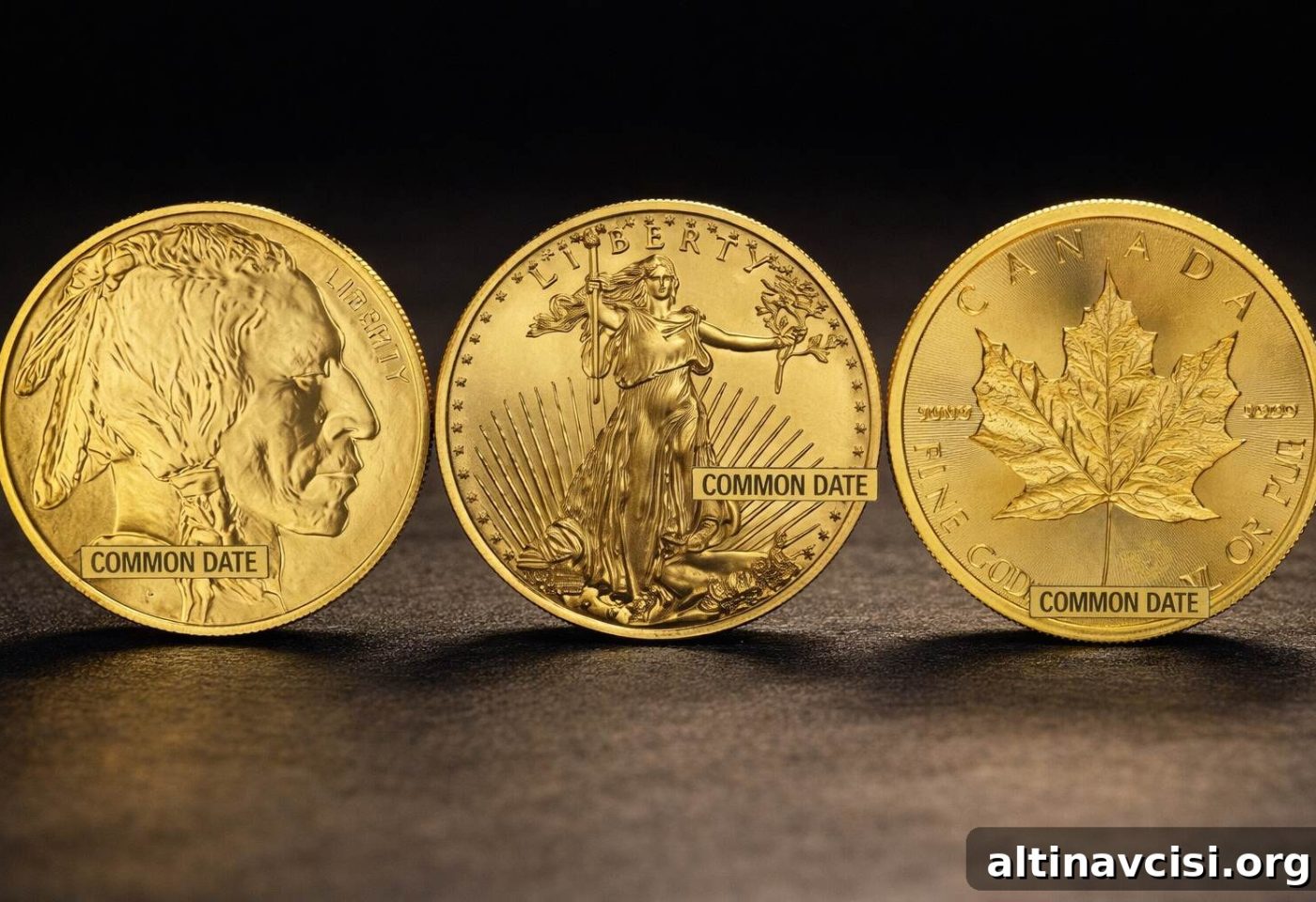
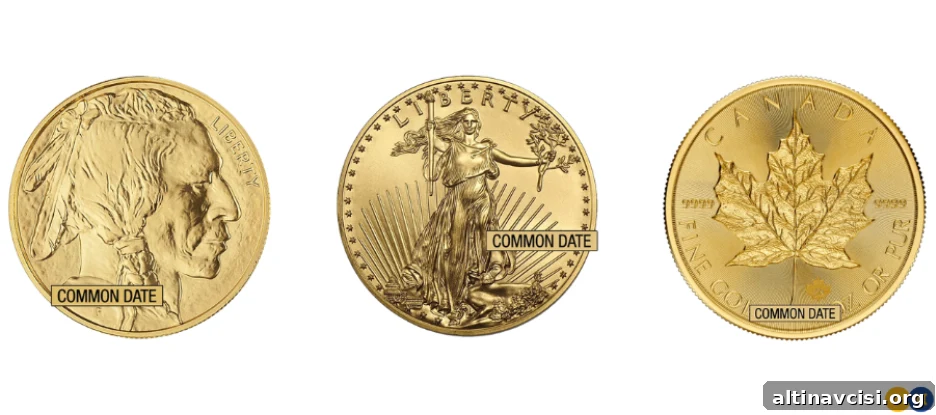
Gold coins are struck by sovereign mints and carry recognizable designs, a face value, and a government-backed guarantee of weight and purity. Well-known bullion coins include the American Gold Eagle, Canadian Gold Maple Leaf, Austrian Gold Philharmonic and the American Gold Buffalo. These coins are typically sold in standard sizes — 1 oz is the most common for investors.
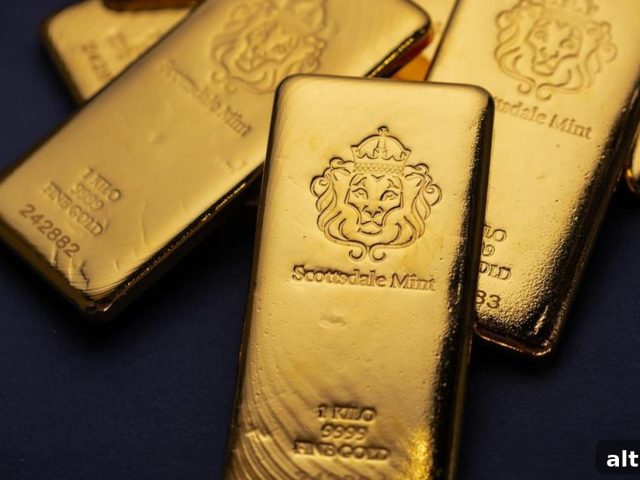
Gold bars (or ingots) are produced by private refiners and some government mints. Bars are available in many sizes, from small grams to large 400 oz bars. They are stamped with weight, purity and a refiner’s hallmark, but they do not carry a face value or sovereign design.
In short: coins are finished, sovereign-backed bullion with added features and recognition; bars are refined bullion in its simplest form. Both contain real gold and generally track the spot price, but their retail economics and practical implications differ.
Do Gold Coins Cost More Than Gold Bars?
Yes — typically. Sovereign bullion coins usually carry higher retail premiums over the spot price than comparable bars. For example, widely traded 1 oz sovereign coins commonly have premiums in the mid single-digit percentages, while 1 oz bars from reputable refiners often trade at lower premiums. The difference grows when comparing many small coins to a single larger bar: a 10 oz bar generally costs less per ounce than ten separate 1 oz coins.
The premium on coins reflects minting and distribution costs: engraving, anti-counterfeiting features, quality control and the sovereign guarantee. That higher cost is not always a permanent loss — coins often retain stronger secondary-market premiums because they are widely recognized and sought by retail buyers.

Which Is Easier to Sell — Gold Coins or Gold Bars?
Gold coins generally offer superior liquidity. Recognized sovereign coins are instantly identifiable to dealers worldwide, which usually eliminates the need for assay verification and speeds transactions. The American Gold Eagle, for example, is one of the most familiar bullion coins globally.
Gold bars are liquid too, but larger bars or bars from lesser-known refiners may require authentication testing before a dealer will buy them. Smaller bars from reputable refiners can trade nearly as smoothly as coins, but coins remain the most universally accepted retail format.
How Does Storage Differ for Gold Coins vs Gold Bars?
Bars are denser and stack more efficiently. A 10 oz bar occupies far less space than ten 1 oz coins in capsules or tubes, making bars the more compact and cost-effective option for large holdings. For allocated vault storage where fees are influenced by volume or weight, bars usually lower storage costs per ounce.
Coins require more space per ounce and often more protective packaging, but their smaller, standardized units make it easier to split holdings across multiple storage locations. That distribution can reduce concentration risk for investors who prioritize redundancy.
Are Gold Coins Better for Resale Flexibility?
Yes. Coins give you granular control. If you need to liquidate part of a position, selling individual 1 oz coins lets you raise cash without disposing of your entire holding. A single large bar, by contrast, forces an all-or-nothing sale unless you find a buyer for fractional quantities or accept an unfavorable breakdown and testing process. For those who expect to make partial withdrawals over time, coins often make more sense.
Smaller bars exist (1 g, 5 g, etc.), but these often carry high premiums that can eliminate the cost advantage of bars at small sizes. For many retail investors, a balanced stack of recognized coins offers a strong mix of resale flexibility and approachable pricing.
Can You Hold Gold Coins in an IRA?
Yes, but only certain coins qualify. U.S. and federal rules permit bullion coins and bars of specified purity in tax-advantaged retirement accounts. In general, gold must meet a 99.5% purity threshold to be IRA-eligible, with an explicit statutory exception allowing the American Gold Eagle (which is 91.67% pure). Other common IRA-eligible coins include the American Gold Buffalo, Canadian Gold Maple Leaf and Austrian Gold Philharmonic. All IRA-held metals must be stored in an IRS-approved depository; home storage is not allowed and can trigger taxes and penalties.
What About Collectible or Numismatic Gold Coins?
Numismatic coins are valued for rarity, condition and collector demand, not just metal content. Their premiums can be substantial but also volatile. For investors prioritizing wealth preservation tied to the gold price, bullion coins are the straightforward option. Numismatic pieces belong in a different strategy — one focused on collectibles rather than bullion exposure.
So Which Should You Buy — Gold Coins or Gold Bars?
There’s no universal answer — the right choice depends on your goals. If your priority is buying the maximum gold for the least cost, bars win on efficiency, especially for larger purchases. If you value recognition, speed of resale, ease of selling in small amounts and IRA eligibility, coins often justify their higher premium.
A common approach is a blended strategy: maintain a core of bars for cost efficiency and hold a smaller allocation of recognizable coins for liquidity and resale flexibility. Many investors with portfolios under $25,000 favor coins, while portfolios above $50,000 tend to shift toward bars while keeping some coins for liquidity.
Ready to Start?
Whether you choose coins or bars, buy from reputable dealers, seek transparent pricing, verify storage options, and confirm IRA eligibility if applicable. The most important decision is owning real, physical gold: both coins and bars deliver genuine wealth outside the banking system, denominated in a metal that cannot be printed, defaulted on, or diluted.
People Also Ask
Do gold coins cost more than gold bars?
Generally yes. Sovereign bullion coins usually have higher premiums due to minting, anti-counterfeiting features and government backing, though these premiums can be recouped at resale because of strong market recognition.
Which is easier to sell — gold coins or gold bars?
Gold coins, especially widely recognized sovereign issues, are easiest to resell worldwide and typically do not require pre-sale authentication.
Can you put gold coins in an IRA?
Yes, certain bullion coins and bars meeting regulatory purity and refiner standards are IRA-eligible. The American Gold Eagle is a statutory exception despite lower purity.
Sources
World Gold Council — Gold Demand Trends: Full Year 2025; U.S. Mint — Bullion Coin Programs; Taxpayer Relief Act of 1997; IRS guidance on investments in collectibles and qualified retirement accounts; industry pricing and market observations.
This article is informational and is not financial or investment advice. Consult a qualified advisor before making investment decisions.
Popular Topics
Picked from the archive
-
01
 Topics
Gold Rebounds from Two-Week Low Ahead of Trump-Zelenskiy Summit
-
02
Topics
Silver Price Forecast 2026-2027: Bull and Bear Scenarios
-
03
Topics
5 Signs Gold’s Rally Is Gaining Momentum
-
04
Topics
Kevin Hassett Named Trump’s Pick to Replace Fed Chair Powell
-
05
Topics
Fed Rate Cut Tuesday: Silver at $42 as China Opens Gold Market
-
06
Topics
Bank of America Predicts $5,000 Gold Amid Inflation and Fed Cuts
-
07
Topics
Gold Prices Near Record as Tariffs Return
-
08
Topics
Gold Prices Slip After Trump Confirms Powell Will Stay