Why Gold Deserves a Spot in Your Portfolio

A new conflict is unfolding in the Middle East. Oil prices have surged past $100 a barrel. The Strait of Hormuz — a critical chokepoint for about 20% of global energy flows — has been partially closed. Inflation expectations are rising. And gold?
Mostly lower.
After U.S. and Israeli strikes on Iran began on February 28, gold briefly jumped above $5,400 per troy ounce — then surrendered most of those gains. To many observers, that feels counterintuitive. When geopolitical risk spikes, gold is expected to rally. Headlines scream danger, yet the metal has been muted.
This is not a market malfunction or a signal that the long-term thesis for gold has failed. It is a recurring pattern that appears at turning points in gold markets. Understanding the dynamics behind it is useful for any precious metals investor right now.
Why Is Gold Not Going Up During the Iran War?
The short answer: three forces are pressing on gold’s near-term price momentum, but none undermines the long-term case.
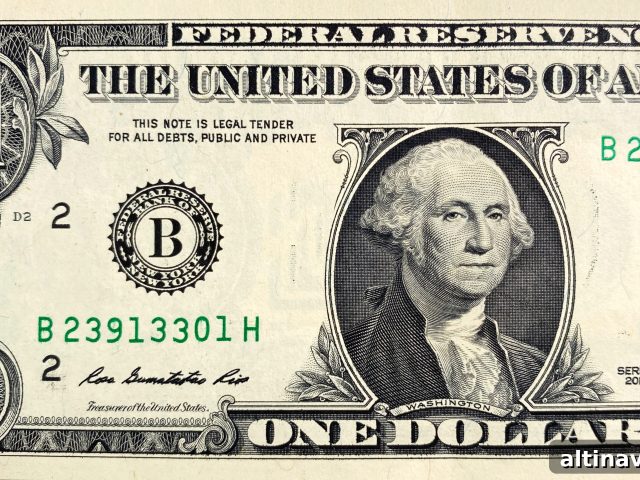
The U.S. dollar has strengthened. Oil shocks commonly lift the dollar. Markets have reframed the energy spike more as an inflation threat than a straightforward geopolitical shock. That shift pushes real yields higher and strengthens the dollar. Because gold is priced in dollars, a stronger greenback and higher real yields create immediate headwinds.
Rate-cut expectations have been pushed back. At the start of the year many investors priced in multiple Federal Reserve cuts. As those expectations reversed and the path for rates looked more restrictive, the opportunity cost of holding non-yielding assets like gold rose, prompting some tactical selling.
Short-term momentum trades are unwinding. Gold gained roughly 64% in 2025, its strongest year since the late 1970s. That rally pulled in generalist investors, systematic funds, and retail buyers who were often trading on momentum rather than long-term conviction. When volatility rises, that type of money tends to sell to raise cash or rebalance, producing temporary weakness.
None of these factors alters gold’s essential role or the structural drivers that supported the rally. They explain the current quiet in the price, but they are not a reason to dismiss the metal’s long-term appeal.

The Financial System Isn’t Safer — And You Know It
As risks rise, see why gold and silver are expected to remain relevant in 2026 and beyond.
Subscribe for market updates and alerts about gold and silver prices.
Has Gold Ever Done This Before?
Yes. Repeatedly. Gold is not an immediate hedge against bullets and bombs; it is a hedge against the broader economic fallout wars can cause. That distinction matters. In the acute phase of a conflict, gold can come under pressure because the dollar often strengthens, real yields can rise, and leveraged positions may be forced to liquidate.
As noted by prominent investors and analysts, gold tends to price in the broader economic consequences of conflicts — inflation, currency weakness, and shifts in monetary policy — rather than reacting purely to combat events. Historically, average prices have often been higher after a crisis has played out than during its most intense moments.
There’s an old market adage: buy when the cannons are firing. The adage doesn’t promise the chart will rise while you buy, but it captures the idea that opportunities can emerge during turmoil.
Is It Too Late to Buy Gold?
That “missed it” feeling is common and often ill-timed. It frequently arrives when prices have already run and near-term action is volatile — precisely the moments preceding major forward moves in gold’s history. Although measuring performance from a recent spike can make investors feel late, measuring from the structural demand floor tells a different story.
Gold remains positive year-to-date despite sharp weekly swings, and the forces that fueled the bull market have not reversed; in many cases they have intensified.
What Is Actually Driving Gold’s Long-Term Bull Case?
Three structural drivers remain firmly in place:
Central bank buying at historic rates. Sovereign institutions continue to accumulate gold. Consensus estimates project central bank purchases on the order of hundreds of tonnes annually — a material share of mine production. These are multiyear, strategic acquisitions, not short-term trades.
De‑dollarization and sticky demand. Major buyers such as China have maintained steady purchases, and private investors increasingly add physical bars and ETFs as a hedge against fiscal and currency risk. These positions are often long-term and do not unwind simply because market noise increases.
Supply constraints. Global mine output has grown only modestly, even in years with record production. When structurally elevated demand meets limited supply growth, the result is a higher price floor over time.
What Are Wall Street’s Top Banks Forecasting for Gold?
Recent weakness hasn’t shaken institutional conviction. Major investment banks maintain year-end targets well above current levels, reflecting a consensus view that structural forces will push prices higher over the medium term. Analysts that characterized sharp drops as positioning-driven rather than fundamental shifts have kept bullish targets intact.
Those forecasts are grounded in reserve diversification, concerns about monetary debasement, and longer-term de‑dollarization trends — factors that are slow-moving and resilient to short-term volatility.
If the Case for Gold Is So Strong, Why Isn’t Everyone Buying?
Price and value are different. Short-term price swings are dominated by momentum traders, algorithmic strategies, and margin-driven liquidations — visible, noisy forces that can temporarily overwhelm structural demand. Long-term value, by contrast, is driven by supply constraints, sovereign accumulation, and macroeconomic risks that unfold over years.
Physical buyers are outside many of the mechanics that drive short-term volatility: they own metal, not leveraged derivatives or futures positions. That distinction is especially important during periods of heightened geopolitical and monetary risk.
Put simply: a pullback from a recent peak, occurring amid elevated uncertainty while the structural bull case remains intact, is not an argument that the bull market is over. For investors focused on decades rather than weeks, the fundamentals remain supportive.
Stay On Top of Gold & Silver Prices
Get market alerts and important updates delivered to your inbox.
Current price widgets are available on our site dashboard.
People Also Ask
Why isn’t gold going up during the Iran war?
Short-term headwinds — a stronger dollar, higher real-rate expectations, and momentum-driven selling — have weighed on prices. These are market mechanics that can temporarily mute gold’s response to geopolitical risk, but they do not negate the long-term structural drivers supporting the bull market.
Is it too late to buy gold in 2026?
Not necessarily. Gold remains up for the year despite its recent declines, and major institutions continue to forecast higher prices by year-end. Many investors who feel they’ve “missed” the move are measuring from a short-lived spike rather than from the structural demand base.
Does gold always go up during wars?
Not immediately. Gold often prices in the wider economic fallout from conflicts — inflation, currency issues, and policy changes — and historically it has sometimes rallied more after the most intense phase of a crisis than during it.
Why is the dollar strong when there’s a war going on?
Energy disruptions raise inflation expectations and tend to lift real yields, which increases demand for dollar-denominated safe assets. That dynamic can temporarily favor the dollar over gold, even though the inflationary fallout from energy shocks often benefits gold over the medium term.
What are banks predicting for gold prices in 2026?
Major institutions maintain bullish targets for the year ahead, reflecting the view that structural forces such as reserve diversification, fiscal risk, and de‑dollarization will support higher prices over time. Analysts who viewed recent drops as positioning-driven kept their longer-term targets unchanged.
This article is for informational purposes only and does not constitute investment or tax advice. Consult a qualified financial professional before making investment decisions.
You May Also Like:
- Digital Gold vs Physical Gold: What Do You Actually Own?
- Bank Safety Deposit Box vs. Gold Vault Storage: Where Is Your Gold Actually Safer?
- Is Gold in a Bubble? What Kiyosaki’s $35K Forecast Tells Us
- Gold vs Stocks & Bonds: What the Data Really Suggests
- Silver Price Crash History: What Happens After the Biggest Drops
- Gold IRA vs Physical Gold: Which Is Best for Your Portfolio?
- When Should You Sell Gold and Silver? (And What to Buy Next)
Popular Topics
Picked from the archive
-
01
 Topics
10-Year Treasury Yield Tops 4.4% on Resilient Labor Market
-
02
Topics
Metal Price Surge Undermines Confidence, Widens Affordability Gap
-
03
Topics
39% US Export Tax Sparks Reputation Fears for Swiss Gold Traders
-
04
Topics
Hungary Inflation Surges as Food and Energy Costs Rise
-
05
Topics
Wholesale Prices Jump Most in 3 Years as Tariffs Hurt US Economy
-
06
Topics
Treasury Secretary Urges Fed Rate Cut After Revised Jobs Report
-
07
Topics
10-Year Treasury Yield Rises After Tariff News, Services Data
-
08
Topics
Gold Drops on Trade Optimism; Dollar, Fed Cuts Lend Support