Silver Coins vs Bars: Which Investment Suits You?
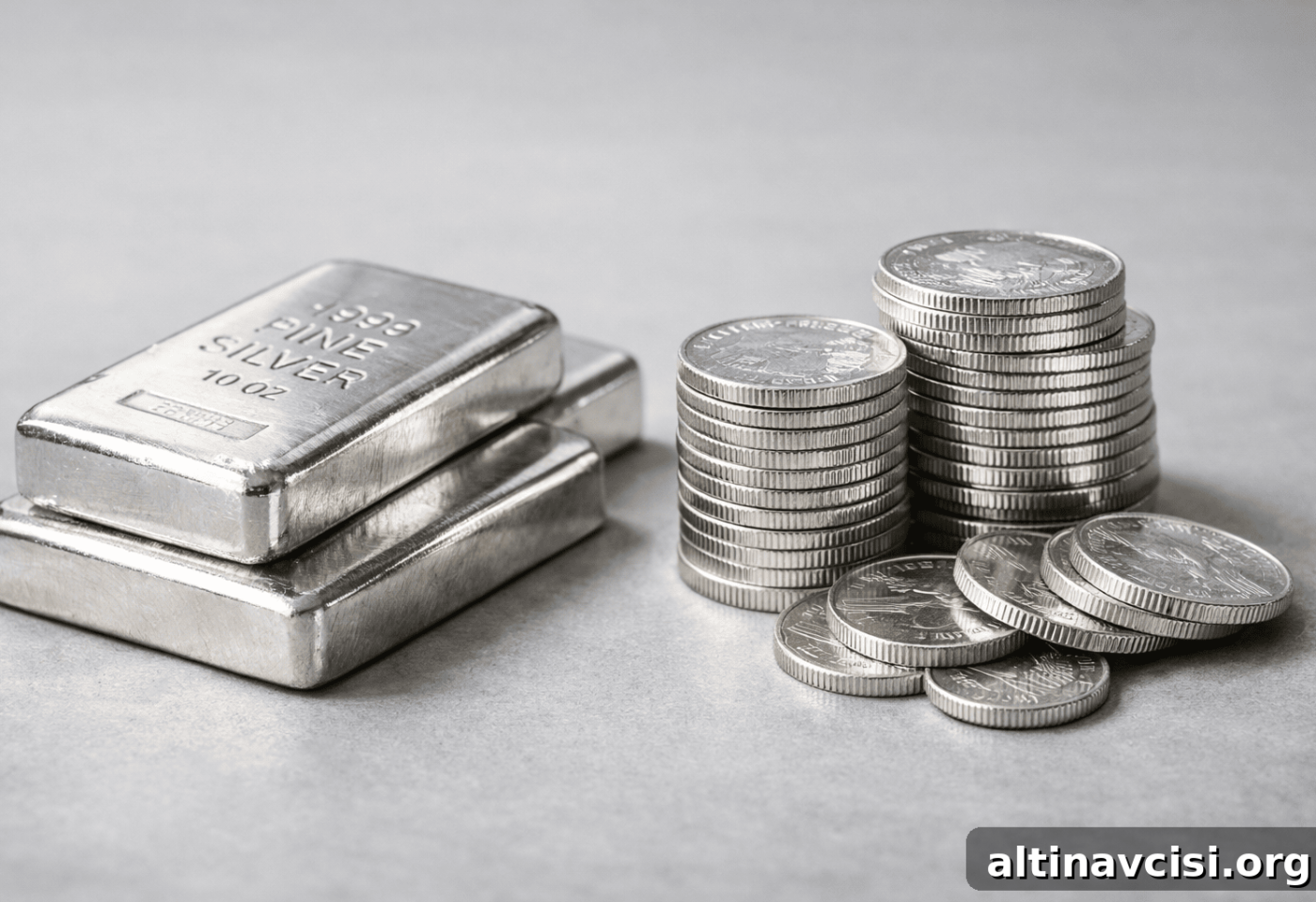
If you want to add silver to your investment mix, one of the earliest choices you’ll face is whether to buy silver bars or silver coins. It sounds simple, but each option brings trade-offs that can affect cost, liquidity, storage, and how you’ll use the metal over time. Knowing the differences helps you make a measured decision rather than buying what simply looks the shiniest.
This guide explains the key points to consider before you buy.
Why Silver Deserves a Spot in Your Portfolio
Before comparing bars and coins, it helps to understand why silver is an attractive holding. Silver is more than a monetary metal; it is heavily used in industry. Solar panels, electric vehicles, electronics, and medical devices all require silver. Industrial demand is a meaningful driver of long-term consumption and can influence prices in ways that gold does not.
Because of this dual role—monetary asset and industrial commodity—silver reacts both to macroeconomic and sector-specific shifts. When manufacturing slows, silver can weaken. When technology investment or the clean-energy transition accelerates, silver can benefit beyond its role as a safe-haven metal.
In short, silver is not merely a cheaper cousin of gold; it is a distinct asset class with its own drivers and risks.
Silver’s Volatility: What You Should Expect
One critical reality before you buy bars or coins is volatility. Silver typically moves more sharply than gold. A smaller market, less institutional liquidity, and sensitivity to industrial demand can produce pronounced price swings. That volatility creates both risk and opportunity: the potential for outsized gains, but also larger drawdowns when sentiment shifts.
A practical approach is to view gold as the stabilizing core of a precious-metals allocation and silver as a growth-oriented complement. Silver can amplify returns when cycles turn in its favor, but it requires patience and tolerance for short-term swings.

The Edge Every Investor Needs
Smarter precious metals investing starts with reliable insights. Subscribe to get market updates, educational content, and timely commentary delivered to your inbox.
Subscribe for market alerts and analysis (form removed for privacy).
Silver Bars: Lower Premiums, More Metal for Your Money
Bars are the simplest way to buy pure silver. They are produced with minimal design complexity, so they generally trade at the smallest premium above spot. For investors who want the most ounces for their dollars, bars offer clear cost advantages.
Why investors choose silver bars:
- Lower premiums over spot. Bars are cheaper to manufacture and mark up, and larger bars usually have the lowest per-ounce cost.
- Efficient stacking. Their flat, uniform shape makes them easy to stack and store, which matters when building a substantial position.
- Straightforward valuation. A bar’s value is simply its weight in silver; there’s no numismatic premium to consider.
Common sizes: 1 oz, 5 oz, 10 oz and 100 oz bars are the most popular. Serious accumulators often favor 100 oz bars for the best cost per ounce.
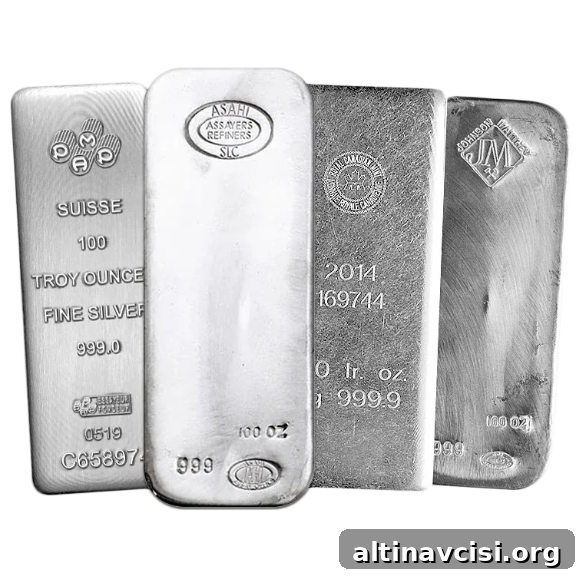
100 oz Silver Bar – Various Mints
The trade-off: Large bars are less divisible. If you hold a 100 oz bar and need to liquidate a small portion, you must sell the whole bar or arrange to cut it into smaller, tradable pieces, which adds friction.
Silver Coins: Liquidity, Legal Tender, and Recognizability
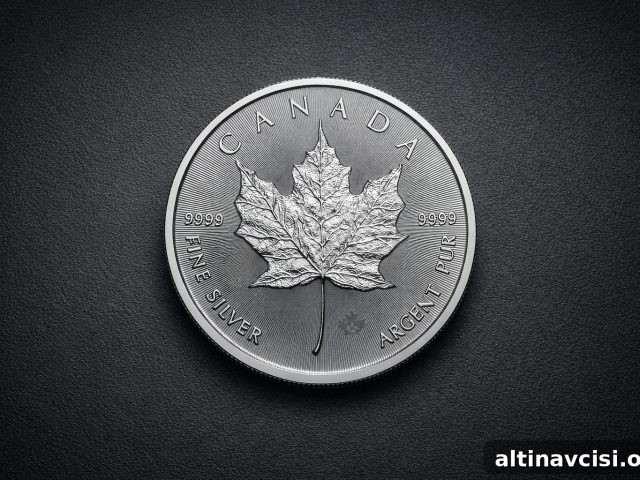
Government-minted bullion coins—such as the American Silver Eagle, Canadian Maple Leaf, or Austrian Philharmonic—are globally recognized. That recognizability comes with a higher premium, but it also brings convenience when selling and added peace of mind about authenticity.
Why investors choose silver coins:
- Global recognizability. Widely known coins are easier to sell around the world and tend to be accepted by dealers and platforms.
- Legal tender status. Sovereign mints issue these coins with a nominal face value, which can offer certain legal protections in some places.
- Divisibility. One-ounce coins let you buy, hold, and sell smaller increments—ideal for dollar-cost averaging and liquidity.
- Collector crossover. Some coins carry numismatic value, though pure investors should avoid paying large premiums for collectibility unless that is the objective.

1 oz American Silver Eagle Coin (Common Date)
The trade-off: Coins cost more per ounce than bars. When buying large quantities, those premiums add up and make coins a less efficient way to accumulate pure silver weight.
Silver Bars vs Silver Coins: Which Is Right for You?
Decide based on your goals, budget, and planned use:
Choose bars if:
- You want to accumulate the most ounces for your money.
- You’re comfortable storing larger denominations or using professional vault storage.
- You prioritize cost efficiency and are building a significant holding.
Choose coins if:
- You’re starting out and want widely recognized, easy-to-sell assets.
- You plan to build your position gradually using small purchases.
- You want flexibility to sell in one-ounce increments at any time.
Many experienced investors keep both: coins for liquidity and ease of transaction; bars for the bulk of their holdings where lower cost per ounce matters most.
Entry Point: Why Silver Is the Accessible Precious Metals Investment
For investors intimidated by gold’s price tag, silver offers a lower-cost way to gain exposure to precious metals. One-ounce coins are affordable relative to gold and make it practical to begin building a position without a large upfront outlay. Regular, fixed-dollar purchases—dollar-cost averaging—are an effective method to build exposure while smoothing out volatility.
Start with familiar one-ounce coins or small bars to learn the mechanics of physical ownership before scaling into larger purchases.
Storage: Don’t Overlook This Part
Storage is an important and ongoing cost to consider. Silver is bulkier than gold, so a meaningful holding requires space and secure storage.
Home storage: Possible, but it requires a quality safe, appropriate insurance, and discretion. Silver can tarnish if not stored in airtight capsules or tubes.
Professional vault storage: Allocated, insured vault storage is often the smarter choice for larger holdings. It reduces theft risk and administrative burden while keeping metals in your ownership.
Key considerations:
- Silver tarnishes if exposed to air and sulfur—airtight containers and desiccants help preserve appearance and value.
- Insurance is essential for home storage; verify coverage limits for precious metals.
- Vault storage comes with fees, but it can provide peace of mind for larger positions.
Bars are generally more space-efficient than coins because they stack neatly, which is an advantage when storing significant amounts of metal.
Final Thoughts
There’s no single right answer between bars and coins. Bars deliver the best value per ounce and are ideal for accumulation. Coins provide recognizability, liquidity, and a lower entry point, making them suited to new investors or anyone who values flexibility.
The most important step is to begin with a plan that matches your goals and comfort with volatility. Silver’s blend of monetary history, industrial demand, and affordability make it an effective way to diversify beyond stocks and bonds.
If you want to learn more about allocation, buying strategies, and secure storage, consult reputable resources and consider speaking with a qualified financial advisor before making investment decisions.
Stay On Top of Gold & Silver Prices
Get important market alerts sent straight to your inbox.
Price widget removed for privacy.
Sign-up form removed. Subscribe via the platform of your choice.
People Also Ask
Are silver bars or silver coins better for investing?
Both can be good investments depending on your objectives. Bars are more cost-efficient per ounce and better for large accumulations. Coins are easier to sell in small amounts and are widely recognized, which helps with liquidity.
Why do investors buy silver coins instead of silver bars?
Many investors prefer coins for their global recognizability and ease of sale. Government-minted coins carry strong credibility and are convenient when you want to sell only part of your holdings.
Is silver a good investment for beginners?
Silver is one of the most accessible ways to begin investing in precious metals. One-ounce coins are affordable relative to gold and support a dollar-cost-averaging approach for building exposure over time.
Why is silver more volatile than gold?
Silver’s market is smaller and more sensitive to industrial demand, which can cause larger price swings than gold. Demand from sectors like electronics and solar energy can amplify moves in either direction.
How should I store silver bars and coins at home?
Home storage requires a high-quality safe, appropriate insurance, and airtight packaging to prevent tarnish. Silver is bulky, so plan for the space it will occupy. For larger holdings, professional vault storage reduces theft risk and provides insurance and custody services.
Disclaimer: This article is for informational purposes only and does not constitute investment advice. Past performance does not guarantee future results. Consult a qualified financial advisor before making investment decisions.
You May Also Like:
Gold vs. Silver: Roles, Risks, and Portfolio Strategy
Gold & Silver Prices: Short-Term Noise, Long-Term Signal
Silver Canadian Maple Leaf: Why It’s a Leading Bullion Coin
Gold Portfolio Allocation: What Forecasts Mean for Investors
How Government Debt Affects Gold and Silver
Gold vs. Silver: The Liquidity Difference That Matters
Popular Topics
Picked from the archive
-
01
 Topics
Why the Silver Canadian Maple Leaf Is a Global Bullion Favorite
-
02
Topics
Fed Policy Dilemma Fuels Gold Rally Amid Sticky Inflation
-
03
Topics
Visa Adds PayPal USD, Global Dollar and New Blockchains
-
04
Topics
UBS Warns Investors: USD Unattractive After 10% Annual Drop
-
05
Topics
Gold Drops as Trade Tensions Ease; Tariffs Could Reverse Gains
-
06
Topics
How the Current Gold Rally Compares to Past Bull Markets
-
07
Topics
Gold Climbs on Trade War Jitters Before US Inflation Report
-
08
Topics
Incrementum Gold Compass: July 2025 Market Outlook