Gold Prices Near $4,000 as Job Cuts Reach 20-Year High

Daily News Nuggets | Today’s top stories for gold and silver investors
November 6, 2025
Gold Steadies as Dollar Softens
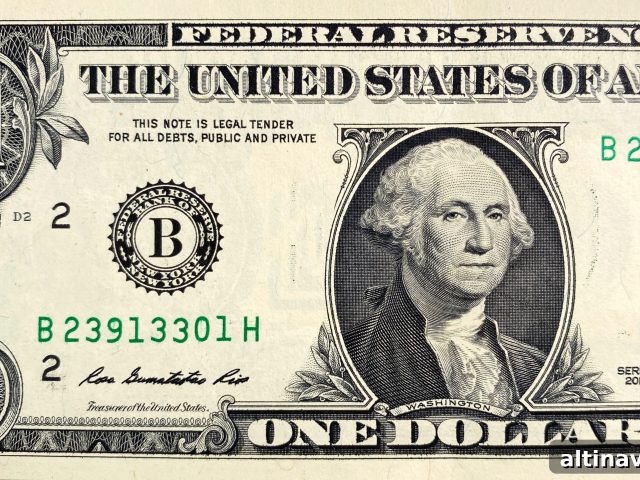
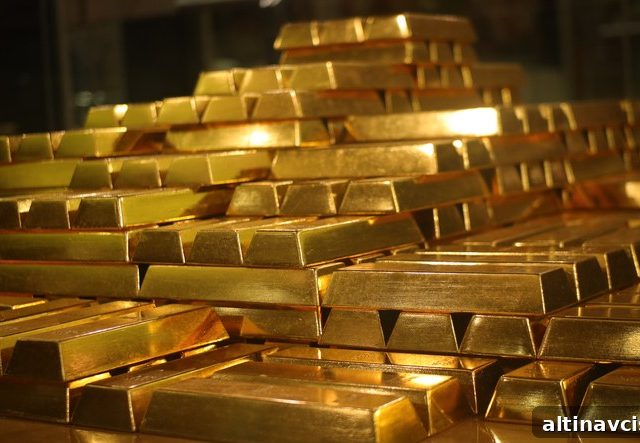
Gold recorded a modest gain on Thursday as the U.S. dollar eased from a recent four-month high and concerns around the ongoing federal government shutdown persisted. Spot bullion traded around $3,996 per ounce, reflecting a market that is sensitive to currency moves, monetary policy signals and short-term political risk.
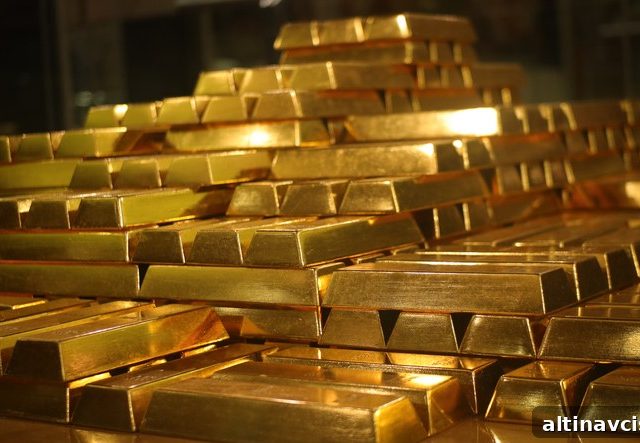
With investors watching for potential Federal Reserve rate cuts, lower yields and a weaker dollar continue to boost gold’s appeal. Unlike interest-bearing assets, gold’s value as a hedge against currency depreciation and policy uncertainty keeps it relevant for portfolio diversification. At about $4,000 per ounce, bullion remains well above long-term averages, demonstrating that many investors view it as core portfolio insurance rather than a speculative position.
U.S. Firms Report Highest October Job Cuts in Over 20 Years
Data for October showed more than 150,000 announced job cuts — the highest total for the month in over two decades. Companies across multiple industries, particularly technology and finance, cited cost-cutting, AI-driven restructuring and tighter corporate spending as reasons for layoffs.
The nature of these cuts is notable: firms are not merely trimming temporary excess but reorganizing to operate with permanently smaller workforces by adopting automation and other efficiency measures. A weakening labour market could ease inflationary pressures and shift expectations for the Fed toward larger or earlier rate reductions.
Historically, a pivot to lower interest rates benefits gold by reducing the opportunity cost of holding non-yielding bullion. If the labour market softens further and recession risks grow, demand for gold as a hedge against economic weakness and declining yields could increase.
The “Buffett Indicator” Is Flashing Red
The ratio of total U.S. stock market capitalization to GDP — often referred to as the “Buffett Indicator” — has climbed to levels more than double national output, a valuation extreme that has drawn comparisons to the late-1990s dot-com bubble. Elevated valuations raise the potential downside risk if corporate earnings or economic growth fall short of expectations.
Such a valuation gap prompts questions about whether current equity prices reflect sustained economic improvement or are driven by speculative behavior and prolonged easy-money policies. For investors concerned about a market correction, diversification and non-correlated assets like gold regain prominence. Historically, gold tends to hold value or rally when equity markets correct, reinforcing its role as a defensive allocation during periods of elevated stock market risk.
Divergence Between Bitcoin and Gold Challenges Hedging Narratives
Assets historically grouped together as “alternative” hedges — notably gold and Bitcoin — have shown divergent behavior. Gold maintains its traditional function as a hedge against inflation and sovereign risk, while Bitcoin has increasingly correlated with technology stocks and risk-on market sentiment.
This divergence matters for investors seeking reliable stability. When equities sell off, Bitcoin has often followed rather than offered a safe-haven response, undermining its characterization as “digital gold.” Institutional allocators reassessing hedge strategies are finding that gold’s long-established track record of resilience in turbulent macro conditions remains difficult to replace.
Cambodia to Store Gold Reserves with China
Cambodia plans to store a portion of its gold reserves with a vault registered on the Shanghai Gold Exchange in Shenzhen, marking a notable step in Beijing’s effort to establish China as an alternative bullion hub to traditional centers in London and New York. The arrangement involves storing new gold purchases and represents a strategic move by a small nation to diversify reserve storage locations.
The development reflects a broader geopolitical and financial trend: some countries are exploring options to reduce dependence on dollar-centered systems, while others continue to repatriate gold to national vaults amid geopolitical uncertainty. These contrasting approaches highlight gold’s expanding role as a sovereignty hedge and underscore its importance in central bank reserve strategies worldwide.
Summary for investors: gold remains relevant as a defensive allocation amid a softer dollar, potential Fed rate cuts and rising macroeconomic uncertainties. Labour market weakness, extreme equity valuations and geopolitical shifts in reserve storage all contribute to gold’s appeal as a portfolio hedge. Investors in gold and silver should monitor central bank moves, currency trends and inflation expectations when assessing exposure to precious metals.
Popular Topics
Picked from the archive
-
01
 Topics
Copper Inventories Drop 80% Amid US Tariff Fears, Supply Crisis
-
02
Topics
Why Gold Is Outperforming Nvidia in 2025
-
03
Topics
Inflation Jumps 2.7% in June as Tariff Impacts Emerge
-
04
Topics
U.S. Seizes 15% of Nvidia, AMD China Chip Sales for Licenses
-
05
Topics
Gold and Silver Drop as Currencies React to Strikes in Iran
-
06
Topics
Powell: Fed Dollar Swap Lines to Stay Amid Political Uncertainty
-
07
Topics
Hong Kong Plans New Global Gold Trading Platform
-
08
Topics
World Gold Council: Gold Nears Technical Break as Markets Stall