Why Central Banks Are Quietly Buying Gold
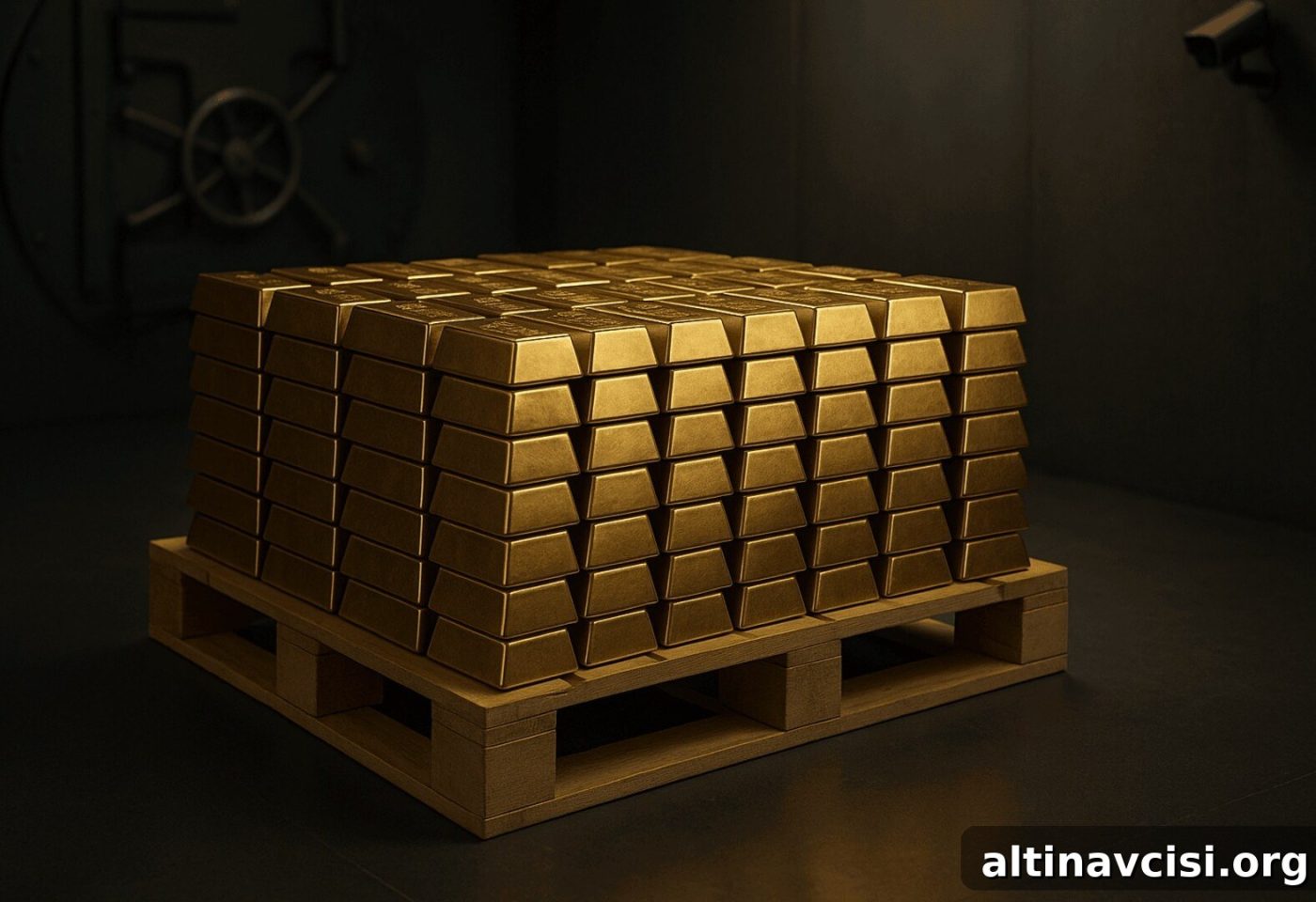
Over recent years a quiet but significant shift has taken place in the global gold market. Central banks have been buying gold at rates not seen in decades, and that trend is reshaping how monetary assets are valued worldwide.
Today, it is central banks — not hedge funds or retail traders — that have become the most important marginal buyers of gold. This is not a short-term speculative episode but a structural realignment that could establish a new long-term price floor for the precious metal.
Why Central Banks Are Buying Gold—Again
Since around 2018, global central bank demand for gold has climbed to its highest levels in decades. The motivation goes beyond simple portfolio diversification; many central banks see gold as a form of financial insurance.
When Western governments froze Russian foreign currency reserves in 2022, policymakers everywhere took notice. If reserves can be restricted or frozen through political action, their protective value is diminished. Gold, by contrast, carries no counterparty risk: it cannot be printed, frozen, or directly sanctioned in the same way as bank deposits or foreign currency holdings.
This realization helped drive renewed accumulation by countries such as China, India, Turkey, Poland and Singapore. In 2023 and 2024 central banks added more than 1,000 tonnes of gold, a modern record for official sector purchases. Those purchases reflect a deliberate strategy to strengthen reserve composition with tangible assets.
Central Banks Have Been Net Buyers For 15 Consecutive Years
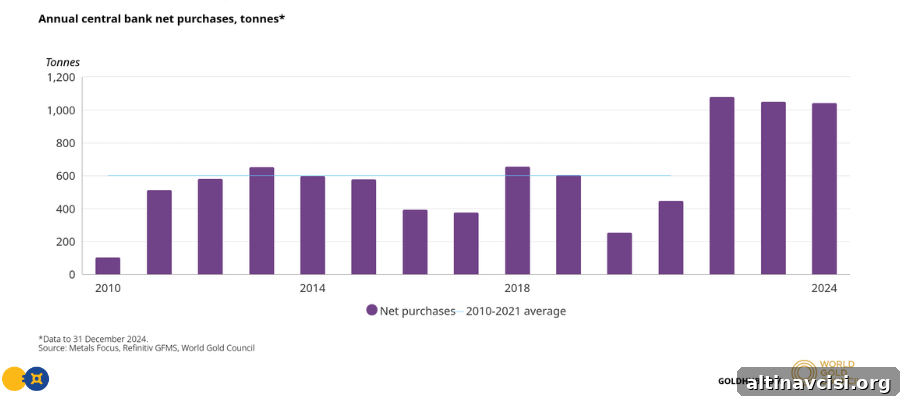
As the chart indicates, official sector purchases have risen well above the 2010–2021 average and have remained at historically elevated levels. That steady, institutional demand is changing the long-term supply-and-demand balance for gold.
Investing in Physical Metals Made Easy
The East Is Leading a Monetary Shift
The resurgence in central bank gold buying also reflects a broader geopolitical and monetary shift from West to East. While Western economies continue to rely on dollar-centered financial systems, BRICS countries and other emerging-market nations are actively exploring alternatives to dollar-dominated reserve structures.
Gold plays a central role in that effort. China has reported many consecutive months of accumulation, and countries such as Turkey and Kazakhstan are rebalancing reserves to reduce reliance on the dollar. In some respects, this moment echoes the post–World War II rearrangement of global monetary relationships — but now emerging markets are driving the accumulation trend.
A Structural Price Floor for Gold
Central banks behave differently from private investors. They do not trade for short-term gains; they accumulate and hold reserves for stability. Their purchases tend to be steady and strategic, often relatively insensitive to short-term price swings.
That steady, persistent demand establishes a type of structural price floor: when private investment demand weakens, official sector buying can provide a reliable bid under the market, reducing volatility and supporting long-term price appreciation.
In effect, central banks have become the “strong hands” of the gold market — large, patient holders that stabilize supply dynamics over time.
The Takeaway: Follow the Real Money
For investors wondering who is buying gold, the answer is instructive. When central banks — the institutions responsible for preserving national financial stability — shift holdings toward physical metal, it signals a deeper realignment in how countries view monetary risk.
Gold is no longer seen only as an inflation hedge; it is increasingly treated as a core reserve asset and a store of trust in an environment where currencies are more closely tied to geopolitical and policy choices.
As official sector purchases continue, individual investors may find it prudent to consider physical gold and silver as part of a diversified approach to preserving wealth against systemic or currency-related risks.
If you are evaluating how to hold tangible assets, look for reputable providers and custodial arrangements that prioritize secure storage, transparent pricing, and the ability to take physical delivery if you choose.
Get Gold & Silver Insights Direct to Your Inbox
Join thousands of investors who receive concise market analysis, reserve trends and practical guidance on holding physical precious metals.
People Also Ask
Why are central banks buying so much gold right now?
Central banks are boosting gold reserves to reduce exposure to the U.S. dollar, protect against sanctions or frozen assets, and guard against currency devaluation. Gold provides a form of insurance that carries no counterparty risk.
Which countries are leading in central bank gold buying?
China, Turkey, India and Poland have been among the more active buyers. Many of these nations view gold as a foundational reserve asset that helps balance currency volatility and geopolitical risk.
How does central bank gold buying affect the gold price?
Sustained central bank demand supports a structural price floor. Because official buyers accumulate regardless of near-term price movements and hold for the long term, their activity can reduce market volatility and help underpin gold’s value.
What does central bank gold buying mean for the U.S. dollar?
As more countries diversify reserves away from the dollar and toward alternative assets like gold, there may be a gradual reduction in global demand for U.S. currency and debt. This trend, often described as de-dollarization, can elevate gold’s role as a neutral reserve asset.
Is now a good time for investors to buy gold like central banks?
Many investors find buying physical gold and silver useful for diversification and protection against systemic risk, especially while central banks continue to increase reserves. Individual circumstances vary, so consider your objectives, liquidity needs, and storage options before investing.
Investing in Physical Metals Made Simple
Choose secure, transparent ways to buy, sell, store and, if desired, take delivery of physical gold and silver. Prioritize trusted custody solutions and clear pricing.
Open an Account
Popular Topics
Picked from the archive
-
01
 Topics
Russia Moves to Seize Top Gold Mining Company from Billionaire
-
02
Topics
Goldman Sachs Predicts Tariffs Will Slow Growth to 1.1% by 2025
-
03
Topics
How to Open a Precious Metals IRA with GoldSilver
-
04
Topics
UBS $3,800 Gold Forecast: What It Means for Precious Metals
-
05
Topics
Treasury Secretary Questions Federal Reserve’s Spending and Role
-
06
Topics
Gold Has Matched Stock Returns Since 1971: Why It Matters
-
07
Topics
Tariffs Hit Crypto, Gold Holds 4,100, Silver Squeeze Deepens
-
08
Topics
Treasury Yields Flat Amid Jobs Slump and Trump Policy Chaos