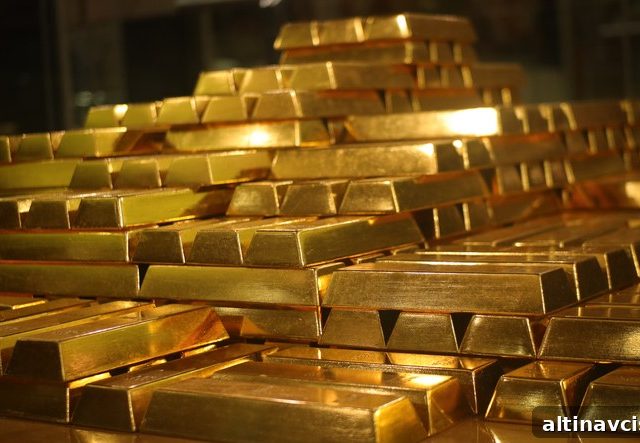
Gold and Silver Liquidity: Impact on Investment Strategy


When investing in precious metals, price moves are important, but liquidity often matters even more. Liquidity describes how quickly you can convert an asset into cash at a fair price. For investors who want both stability and flexibility, understanding the differences in liquidity between gold and silver is essential to building a practical strategy.
Understanding Precious Metals Liquidity
Gold has long been treated as the benchmark monetary metal. It benefits from broad global recognition, deep trading markets, and generally lower volatility than other metals. These qualities make gold easier to buy and sell around the world and give it a clear liquidity advantage for wealth preservation and emergency liquidity needs.
Silver, by contrast, wears two hats: it is both an investment metal and a widely used industrial commodity. Because silver’s market is smaller and its price can swing more dramatically, its liquidity profile is more nuanced. Silver can deliver strong upside in certain environments, but investors should be aware that converting physical silver into cash may be more complicated—especially during periods of market stress.
Gold vs. Silver: Key Liquidity Differences
Gold’s Liquidity Strengths
- Globally recognized and widely accepted by dealers and institutions
- High trading volume across many markets, active nearly around the clock
- Tighter bid-ask spreads on standard bullion coins and bars, which lowers trading costs
Silver’s Liquidity Trade-Offs
- Smaller market depth compared with gold, which can widen spreads
- Higher price volatility that makes timing more important for sellers
- Premiums on coins and rounds can spike during crises, reducing immediate realizable value
The 2020 market experience highlighted these differences: silver posted a notably stronger percentage gain than gold that year, but supply disruptions and premium spikes made it harder for many holders to convert silver holdings into cash quickly at attractive prices. In practice, gold often trades close to spot within a small margin, while silver spreads can widen substantially in stressed conditions.

Invest Now

Invest Now

Invest Now

Invest Now
Market Demand, Storage, and Accessibility
Because silver has a much lower value per ounce than gold, storing large silver holdings requires more physical space and can be costlier to insure and manage. For investors allocating significant capital to precious metals, gold’s higher value density makes transport, storage, and liquidation more efficient.
Silver’s heavy industrial use—from solar panels to electronics—can improve liquidity when the economy is expanding, as manufacturers buy more silver. That same industrial link, however, can weigh on silver prices during economic slowdowns and complicate efforts to sell quickly at favorable prices.
Liquidity Strategies by Investor Type
Emergency Fund Investors
- Consider government-minted gold coins for the quickest, most widely accepted liquidity.
- Fractional coin and bar sizes improve flexibility and make small, rapid sales easier.
Balanced Portfolio Seekers
- A common allocation is a mix of gold (roughly 70–80%) and silver (20–30%) to balance stability with growth potential.
- Gold provides liquidity and stability while silver offers potential upside during favorable cycles.
Growth-Focused Investors
- Investors seeking higher returns may increase silver exposure but should keep a core gold position as a liquidity anchor.
- Plan exit strategies in advance so you can act quickly when markets move.
As industry analysts note, gold typically offers better liquidity than silver because of its larger market size, lower volatility, and wider acceptance among dealers and institutions. That makes gold the more reliable option when immediate access to cash is a priority.
Selling Strategies and Exit Planning
Successful precious metals investors plan their exits before they buy. Maintain relationships with multiple reputable dealers, monitor premiums and bid-ask spreads, and understand the practical steps to convert metal into cash in different market conditions. A clear exit plan reduces the risk that you’ll have to sell at an unfavorable price when liquidity is constrained.
Gold & Silver Liquidity in Practice
Liquidity differences matter most during market stress. Investors who recognize those differences and align holdings with their liquidity needs are better positioned to act decisively when opportunities or emergencies arise. That means choosing the right mix of coins, bars, and storage arrangements for your time horizon and cash requirements.
The Balance Between Flexibility and Growth
Choosing between gold and silver isn’t an either-or decision. It’s about matching each metal’s liquidity profile to your goals. If you need immediate access to funds, favor gold and liquid, widely traded coinage. If you have a longer investment horizon and seek higher upside, add silver while keeping a gold core to meet short-term liquidity needs.
Define your liquidity timeline first: immediate access calls for gold’s reliability; longer horizons can accommodate silver’s volatility. By aligning metal allocation with how and when you expect to need cash, you build a more resilient, flexible precious metals portfolio.
Investing in Physical Metals Made Easy
Your Questions on Liquidity Answered
What does gold and silver liquidity mean for investors?
Liquidity for gold and silver means how easily you can convert those metals into cash without taking a steep loss. Gold typically enjoys deeper markets and narrower spreads, which makes it easier to sell quickly. Silver is tradable and liquid in many markets, but its smaller size and industrial links can make selling physical silver less straightforward in certain environments.
Is gold more liquid than silver?
Yes. Gold is generally more liquid than silver because it trades in larger volumes, has tighter spreads, and stores value more compactly. Silver can be liquid, but in times of stress dealer availability, premiums, and storage logistics can complicate prompt sales.
Why is silver liquidity more complicated than gold?
Silver’s market is smaller, and its price is influenced by both investment demand and industrial consumption. Those dual drivers create larger price swings and can lead to spikes in premiums for physical silver, which makes timely liquidation more complex compared with gold.
How do storage costs affect gold and silver liquidity?
Storage costs affect liquidity because they determine how practical it is to hold or move physical metals. Silver requires more physical space per dollar invested, increasing storage and transportation costs and sometimes slowing down liquidation. Gold’s higher value density lowers those costs and supports faster, more efficient sales.
Which precious metal is more liquid during times of crisis?
In crises, gold is typically the preferred metal for liquidity. Major-mint gold coins are broadly recognized, easier to store compactly, and generally convert to cash more rapidly than equivalent silver holdings. Silver can be sold during crises, but larger volume requirements and wider price swings can make the process slower and costlier.
Get Gold & Silver Insights Direct to Your Inbox
Join investors who receive market analysis, practical tips, and updates on precious metals strategies.
Popular Topics
Picked from the archive
-
01
 Topics
Harvard 51B Endowment Sells Tech, Buys Gold and Crypto
-
02
Topics
Tariff-Driven Inflation Clouds Fed’s September Rate Decision
-
03
Topics
Investors Flock to Gold Amid Trade Tensions and Weak Jobs Data
-
04
Topics
ETF Inflows Propel Gold Demand to Highest H1 Levels Since 2020
-
05
Topics
Russia Taps $1B Chinese Gold Market Amid Geopolitical Shift
-
06
Topics
Gold Has Matched Stock Returns Since 1971: Why It Matters
-
07
Topics
BIS Warns Fed Faces Impossible Choice as Tariffs Risk Inflation
-
08
Topics
India Gold Demand Drops Further Amid Soaring Asian Prices