Silver Tops $40 as Gold Hits Record $3,500
Daily News Nuggets | September 2nd, 2025 — Here’s what you need to know about today’s most important economic and precious metals developments:
Silver Surges Past $40 for First Time Since 2011
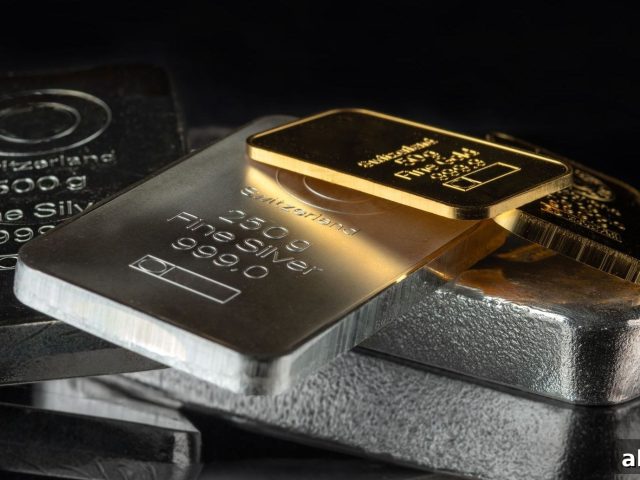
Silver climbed above $40 an ounce on Monday, marking its strongest level in 14 years. The metal briefly reached $40.79 before pulling back to consolidate, and futures indicate further upside potential. Year-to-date gains of roughly 40% have pushed silver well ahead of gold, driven by widespread investor bets on imminent Federal Reserve rate cuts.
Institutional interest has been a major factor: silver-backed ETFs recorded their seventh consecutive month of inflows in August, taking total holdings to about 800 million ounces. That sustained buying streak — the longest since 2020 — suggests large investors are positioning for a prolonged rally in silver.
Silver’s rally reflects its dual role as both an industrial metal and a monetary asset. Demand from solar, electronics, and other industrial uses, combined with safe-haven buying tied to expectations for easier monetary policy, has tightened the market. The gold-to-silver ratio has narrowed considerably this year, compressing from around 104 in April to roughly 85 more recently, which signals silver’s relative outperformance could continue.
U.S. Moves to Add Silver to Critical Minerals List
The U.S. Department of the Interior has proposed adding silver to its updated list of critical minerals, alongside potash, copper, and silicon. The recommendation stems from concerns that trade disruptions could significantly affect U.S. GDP, given that a large share of global silver supply is concentrated in Mexico. An assessment found that a hypothetical interruption in Mexican silver exports could reduce U.S. GDP by hundreds of millions annually.
If finalized, a “critical mineral” designation for silver would unlock federal incentives for domestic production, support strategic stockpiling, and could accelerate permitting for new mining projects. It might also enable the use of certain national defense provisions to secure supply. Industry participants note that such a classification would mark a notable shift for silver — recognizing its strategic importance for renewable energy, electronics, and defense applications — and could fundamentally alter how investors and policymakers view the metal.
Gold Breaks Through $3,500
Gold reached a fresh record on Monday, moving above $3,500 in spot trading before settling just under that level. Futures climbed even higher, reflecting strong bullish positioning among traders. The metal is up roughly 30% in 2025, ranking it among the year’s leading performers as markets price in prospective rate cuts and face growing concerns about central bank independence.
Political pressure on central bankers has contributed to investor unease. Questions about the Federal Reserve’s autonomy — amplified by high-profile conflicts with political leaders — have intensified scrutiny of monetary policy and boosted demand for gold as a hedge. Central banks worldwide continue to be net buyers, adding another structural layer of support to bullion prices.
Markets Largely Withstand Trade Tensions—For Now
Global equity markets have, so far, shrugged off trade tensions and tariff headlines. Major indices have hit record levels, with the S&P 500 trading above 6,500 and European markets posting consecutive monthly gains. Oil has remained relatively steady in the $60–$65 range despite geopolitical flare-ups, helped by forecasts pointing to persistent oversupply through year-end.
That said, September historically introduces volatility, and this year brings added uncertainty from unresolved trade negotiations and an unpredictable Fed. While the U.S. has announced tariff agreements with several trade partners, talks with some major economies remain incomplete. Investors are positioning defensively, with some flows moving into precious metals as a hedge against possible equity market pullbacks and fiscal risks that could push bond yields higher.
Big Tech Concentration Raises Concerns for Investors
Large technology companies — led by Apple, Microsoft, Alphabet, Amazon, and Nvidia — now represent nearly 30% of the S&P 500’s market value. That level of concentration has put regulators on alert and spurred renewed antitrust scrutiny on both sides of the Atlantic. Authorities are investigating a range of issues from cloud services to artificial intelligence market power.
For investors, high concentration in a handful of mega-cap tech stocks increases systemic risk. When a small group of names drives market performance, any setback among those firms can have outsized effects on portfolios. Historical episodes of extreme concentration have often preceded major corrections, underscoring the value of diversification. Many investors view allocations to tangible assets such as gold and silver as portfolio insurance against equity concentration risk and broader market dislocations.
Investing in Physical Metals Made Easy
Consider diversification strategies that include precious metals to help protect portfolios from inflation, monetary policy uncertainty, and concentrated equity risk.
Popular Topics
Picked from the archive
-
01
 Topics
Gold Could Reach $4,000 as Silver Surges and Oil Falls
-
02
Topics
July Minimum Wage Hikes in 15 States and Cities
-
03
Topics
Silver Prices Jump 35% YTD as Rally Accelerates
-
04
Topics
4 Trillion AI Milestone Sparks Valuation Concerns
-
05
Topics
Reuters Poll: Flight to Safety Boosts Gold and Silver Forecasts
-
06
Topics
Industrial Demand Sends Silver and Platinum 28% Ahead of Gold
-
07
Topics
Can Gold Hold at $4,300? Price Outlook for Investors
-
08
Topics
Barclays’ Euphoria Gauge Signals Bubble as Speculation Surges