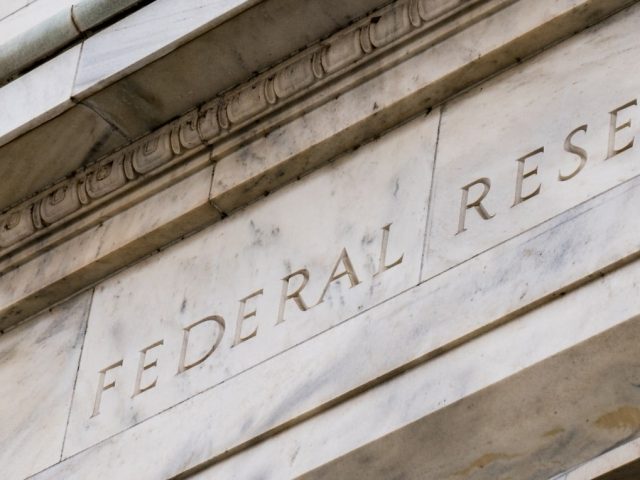
US Jobless Claims Jump to 3-Month High, Point to Labor Softening
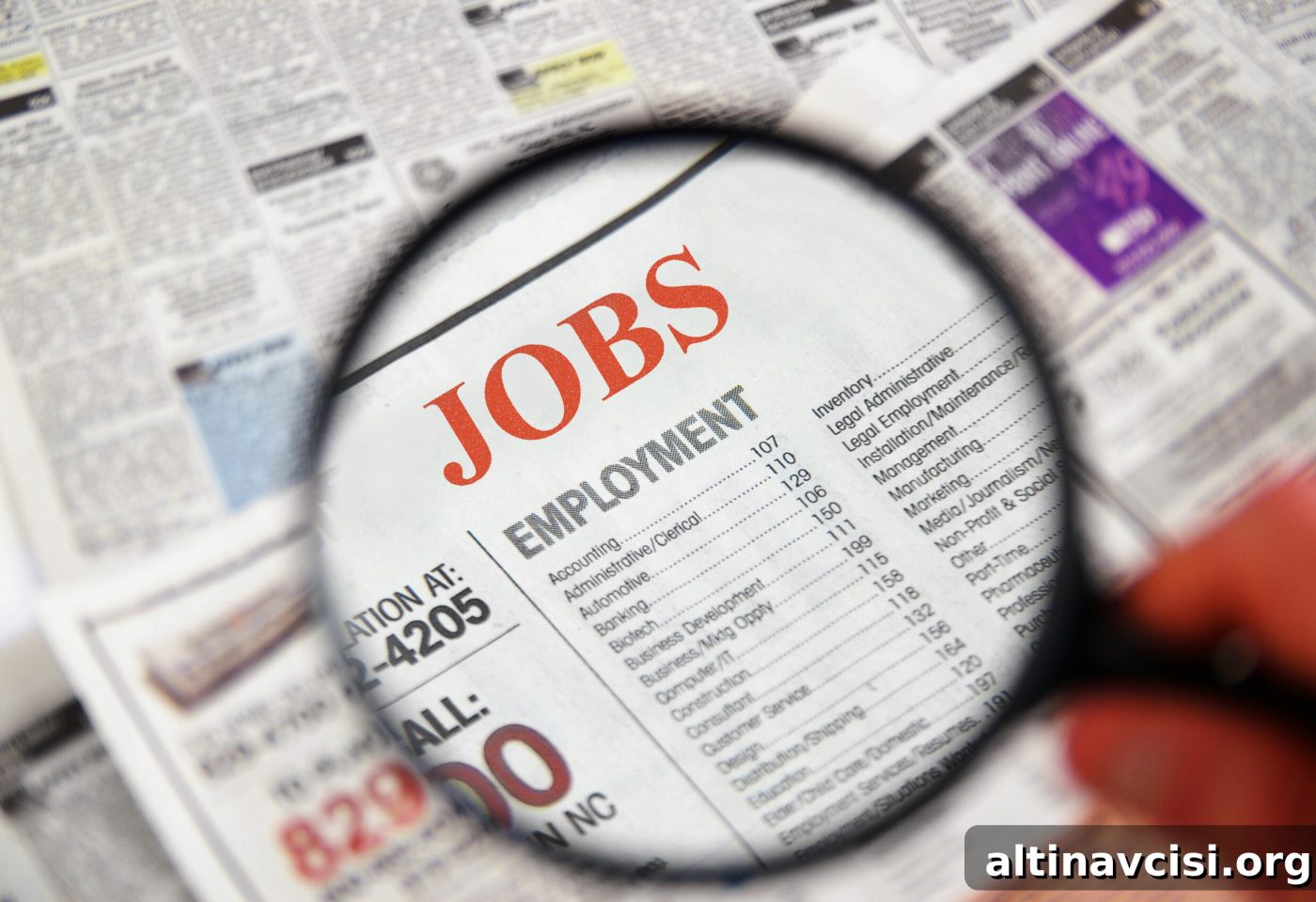
U.S. Initial Unemployment Claims Rise to 235,000; Continuing Claims Reach Highest Since November 2021
Initial unemployment claims in the United States rose to 235,000 for the week ending August 16, an increase of 11,000 from the prior week. This climb was the largest weekly jump since late May and exceeded economists’ forecasts of 225,000 claims. The unexpected increase signals that layoffs may be accelerating amid signs of a weakening U.S. labor market.
Although overall firing rates have remained relatively low by historical standards, hiring has also cooled. Employers appear to be holding back on new hires while also trimming payrolls in some sectors. The data show a labor market that is slowing from the rapid expansion experienced in recent years, and the rise in initial claims adds to concerns that momentum in hiring has lost steam.
Continuing claims—those who remain on unemployment rolls after their initial week—also climbed, rising by 30,000 to a total of 1.972 million. That figure represents the highest level of continuing claims since November 2021. The increase in ongoing claims suggests that more people are staying unemployed longer, which can indicate weaker demand for labor and slower job-finding rates.
Employment Growth Has Slowed
Employment growth has decelerated significantly in recent months. Over the past three months, net payroll additions have averaged just 35,000 jobs per month, a dramatic slowdown compared with earlier periods of stronger gains. This trend of muted monthly job growth, combined with rising initial and continuing claims, highlights a shift in the balance between supply and demand in the labor market.
When job creation is this low, small fluctuations in hiring or layoffs can translate into visible changes in unemployment claims. Employers may be responding to a mix of economic signals—slower consumer demand, higher input costs, or uncertainty about the outlook—that make them more cautious about adding staff. As a result, the labor market can transition from a tight conditions environment, where employers struggle to find workers, to one with more available labor and rising claims.
Trade Policy and Business Uncertainty
Business decision-making is also being shaped by broader policy developments. The period under review has included shifts in trade policy that critics say have raised import duties to their highest levels in a century. Such protectionist measures can increase costs for firms that rely on global supply chains, introduce uncertainty into investment plans, and prompt reassessments of hiring and expansion strategies.
While trade policy is only one of many factors affecting employment, the combination of higher duties, volatile global markets, and domestic demand changes can create an environment in which companies delay hiring or reduce payrolls. Observers note that policy uncertainty tends to make firms more conservative, which is consistent with the slower hiring rates and rising claims visible in recent data.
Implications for Households and Policy Makers
For households, rising unemployment claims can translate into greater financial stress, especially for families without substantial savings or access to alternative income. An uptick in continuing claims implies that more individuals are relying on unemployment benefits for longer periods, which affects household consumption and can further weigh on economic growth.
For policymakers, these labor market signals pose a dilemma. If the trend of slower job growth and higher claims persists, policy responses may need to balance inflation concerns with support for employment and demand. Labor market indicators like initial and continuing claims are closely watched by central banks and fiscal authorities as they assess whether the economy requires stimulus, restraint, or targeted interventions.
What to Watch Next
Key indicators to monitor in coming weeks include whether initial claims continue to rise or begin to retreat, trends in continuing claims, wage growth, and monthly payroll reports. A sustained rise in claims and persistently weak job creation would strengthen evidence that the labor market is softening more broadly. Conversely, a rebound in hiring and a decline in claims would suggest the recent increase was a short-term fluctuation rather than the start of a larger trend.
The latest report for the week ending August 16 adds to a growing body of evidence that the U.S. labor market is cooling. While layoffs remain relatively contained in some sectors, the combination of slower hiring and rising unemployment claims underscores growing vulnerabilities that households, businesses, and policymakers will be watching closely.
Popular Topics
Picked from the archive
-
01
 Topics
Major Oil Companies Withdraw from Leading Net Zero Group
-
02
Topics
Federal Reserve Keeps Rates Steady Amid Economic Uncertainty
-
03
Topics
Gold Prices Slip as Tariff Tensions Rattle Markets
-
04
Topics
Retail Investors Rush into Risky Meme Forex Trades
-
05
Topics
Swiss Precious Metals Association Warns on 39% US Gold Tariffs
-
06
Topics
Formalizing Artisanal Gold Mining to Protect 20 Million Jobs
-
07
Topics
Gold and Silver Rally as Markets Anticipate Fed Rate Cuts
-
08
Topics
Gold Has Matched Stock Returns Since 1971: Why It Matters