Gold Climbs as Mild Inflation Boosts September Rate Cut Odds

Gold Prices Rise as Markets Anticipate Federal Reserve Rate Cut
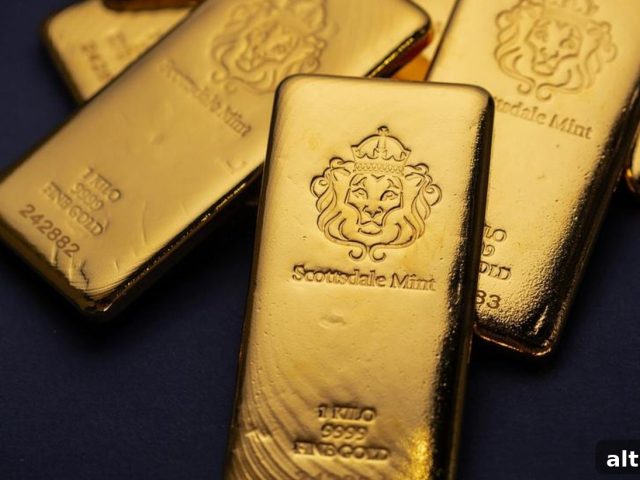
Gold prices climbed on Wednesday, gaining 0.6% to reach $3,363.61 per ounce as investor expectations for a Federal Reserve interest rate cut in September increased. The uptick reflected a combination of softer inflation signals and a weaker U.S. dollar, factors that often support demand for precious metals.
Drivers Behind the Rally
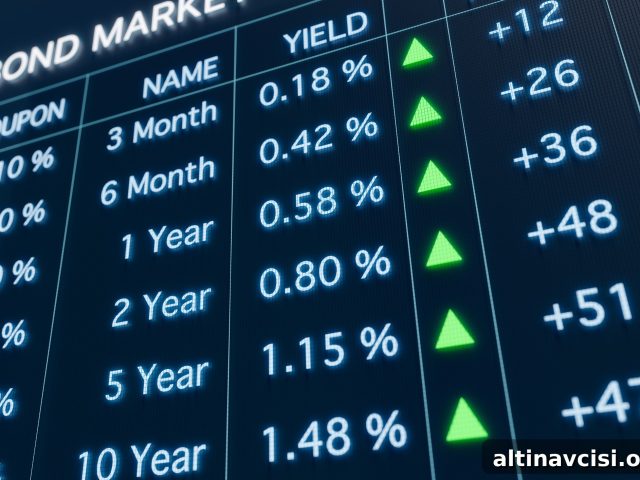
The recent rally in gold was driven in part by milder inflation readings that eased concerns about persistent price pressures. When inflation appears to be receding or cooling, central banks may feel more comfortable loosening monetary policy. Markets are now pricing in a 96% chance of a rate reduction next month, a shift that tends to lower real yields on government bonds and diminish the opportunity cost of holding non-yielding assets like gold.
Another key factor was the dollar’s decline. A weaker dollar makes gold less expensive for buyers using other currencies, which can boost international demand and support higher prices. Combined, falling real yields and improved affordability for foreign purchasers help create a favorable environment for gold.
Why a Rate Cut Supports Gold
Gold historically performs well in lower-rate environments for several reasons. First, lower interest rates reduce the return investors can earn on interest-bearing assets, increasing the relative attractiveness of gold as a store of value. Second, rate cuts can weaken the domestic currency, further enhancing gold’s appeal for overseas buyers. Third, expectations of easier monetary policy can lift risk appetites and spur flows into alternative assets, including both physical bullion and exchange-traded funds (ETFs) backed by gold.
As a traditional safe-haven asset, gold also tends to draw interest during periods of economic uncertainty. Even when the immediate trigger is monetary policy, geopolitical tensions, market volatility, or concerns about growth can reinforce demand for gold as a protective holding.
Market Sentiment and Investment Implications
Market sentiment has shifted noticeably toward anticipating an interest rate reduction, and that sentiment is a primary driver behind short-term moves in the gold price. Traders and investors closely watch inflation data, central bank communications, and currency performance for clues about the timing and size of any policy adjustments. A consensus expectation of a September cut has supported prices, but markets remain sensitive to new data that could alter the outlook.
For investors and observers, these dynamics highlight the interconnected roles of inflation, interest rates, and exchange rates in shaping precious metals markets. While gold can act as a hedge against inflation and currency depreciation, its price is also influenced by broader financial conditions and investor positioning across asset classes.
Risks and Uncertainties
Despite the current momentum, several risks could reverse the recent gains. If inflation proves more persistent than current readings suggest, central banks may delay easing or adopt a more cautious stance, which could weigh on gold. Similarly, if the dollar strengthens due to shifts in global capital flows or a change in rate expectations, that would likely reduce gold’s attractiveness to non-U.S. buyers.
Market reactions to official central bank statements and economic reports will remain key near-term catalysts. Investors typically monitor incoming data and central bank commentary for confirmation that monetary policy will indeed loosen as expected.
Outlook
With markets largely pricing in a September interest rate cut and inflation showing signs of moderation, gold has benefited from improved prospects for lower rates and a softer dollar. The metal’s performance in the coming weeks will depend on whether inflation readings continue to moderate, how central bank communications evolve, and how global currency dynamics shift. For now, gold’s status as a safe-haven and inflation hedge underpins its appeal as investors weigh potential changes in monetary policy.
Popular Topics
Picked from the archive
-
01
 Topics
Gold Prices Slip as Tariff Tensions Rattle Markets
-
02
Topics
Silver Price Forecast 2025: Will Silver Reach $40?
-
03
Topics
Private Job Growth Drops to 2-Year Low, Treasury Yields Plunge
-
04
Topics
Japan Election Promises and Tariff Fears Rattle Bond Market
-
05
Topics
Gold Hits Five-Week High on Trade Uncertainty, Weak Dollar
-
06
Topics
Why U.S. Treasuries Are No Longer a Crisis Safe Haven
-
07
Topics
Gold Prices Rise Ahead of Fed Minutes, Key Economic Data
-
08
Topics
Why Trump Can’t Reverse Interest Rate Hikes Despite Fed Pressure