Switzerland Seeks US Pledge to Keep Gold Tariff-Free
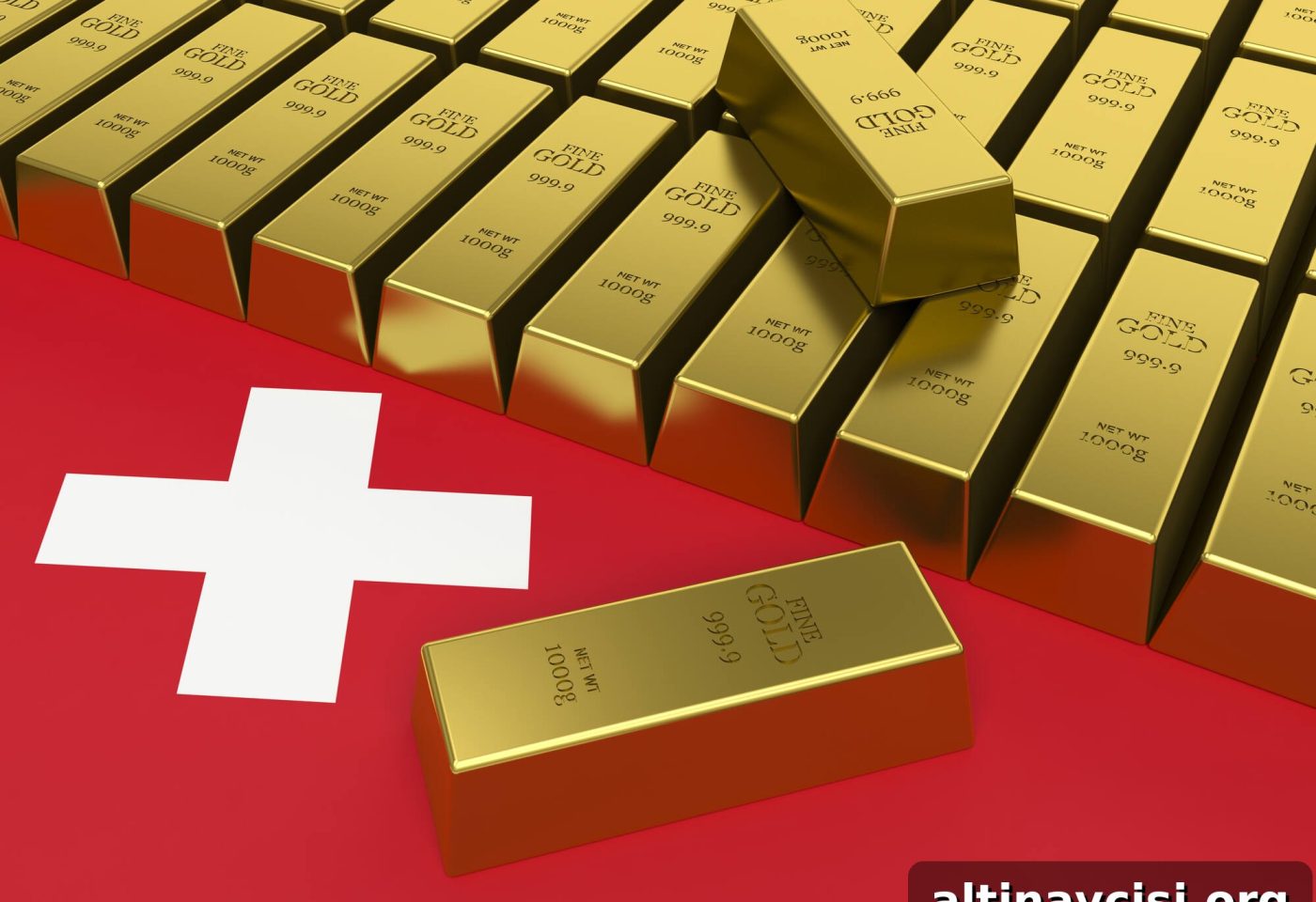
Swiss Precious Metals Lobby Calls on Trump for Binding Pledge to Keep Gold Tariff-Free
The Swiss precious metals lobby has urged U.S. President Donald Trump to make a formal, binding commitment that gold will remain exempt from import tariffs. While the president’s recent public statement against imposing tariffs on gold provided a welcome boost to market confidence, the Swiss association ASFCMP argues that only an official, enforceable decision will deliver the long-term certainty the global gold trade requires.
Why a Binding Guarantee Matters for the Global Gold Market
Gold plays a unique role in global commerce, serving as both an investment asset and an industrial input for jewelry, electronics, and other precision applications. Traders, refiners, manufacturers and investors all depend on predictable cross-border flows. Even the prospect of new tariffs can trigger volatility in prices and supply-chain disruptions that ripple across markets.
For Swiss companies involved in refining, trading and manufacturing precious metals, predictable customs and tariff policy is crucial. Switzerland has long been recognized as an important center for precious metals refining and trade, and companies based there rely on stable international rules to manage inventories, hedging strategies and contractual obligations. A clear, binding exemption from tariffs would reduce operational risk and support smoother trade between the U.S. and European suppliers.
Market Confidence Versus Legal Certainty
Verbal assurances or informal statements can calm markets temporarily, but they do not replace legally binding policy decisions. The ASFCMP’s appeal reflects a wider concern across the precious metals sector: that unofficial pronouncements leave room for reversal and uncertainty. A formal declaration or policy instrument—such as an explicit tariff exemption or codified trade agreement—would provide the enforceability and transparency needed by market participants.
In practical terms, a binding commitment would help businesses plan capital allocation, secure financing, and set prices for both short-term transactions and long-term contracts. It would also limit the need for costly contingency measures that companies might otherwise adopt to guard against potential tariff changes.
Potential Consequences of Tariff Threats
Even the threat of tariffs can alter behavior across the supply chain. Import duties raise the cost of goods, which can be passed on to consumers or absorbed by manufacturers, squeezing margins. Tariffs may prompt suppliers to reroute shipments, seek alternative markets, or adjust their refining and production schedules. For gold specifically, such shifts can lead to tighter liquidity in certain markets and increased price swings as traders readjust positions.
Beyond commercial impacts, tariff uncertainty can complicate regulatory compliance and customs procedures, increasing administrative burdens for importers and exporters. These downstream effects reinforce why industry groups like the ASFCMP press for legal clarity rather than relying solely on political statements.
What Stakeholders Are Asking For
The ASFCMP and other industry representatives are seeking a clear, written policy that guarantees gold will remain tariff-free for the foreseeable future. Their request is framed as an appeal to protect global trade stability and to preserve the integrity of international precious metals markets. Such assurances would benefit a broad group of stakeholders—including refineries, bullion dealers, jewelers, industrial users and investors—by reducing uncertainty and helping to maintain orderly markets.
Implications for U.S.-Swiss Trade Relations
Maintaining tariff-free access for gold would also reinforce the longstanding commercial ties between the United States and Switzerland in the precious metals sector. A binding decision could strengthen confidence among Swiss exporters and U.S. buyers alike, encouraging continued cross-border investment and cooperation in refining, technology and trade services.
Conclusion
While the initial statement by President Trump against gold tariffs brought immediate relief to markets, the Swiss ASFCMP emphasizes that only a formal, enforceable decision will provide the sustained predictability required by the global gold industry. A binding, tariff-free commitment would limit market disruption, ease operational planning for businesses, and support the stability of international precious metals trade.
Popular Topics
Picked from the archive
-
01
 Topics
U.S. Jobs Surge Dims Chances of July Fed Rate Cut
-
02
Topics
Trump Imposes 50% Copper Tariff, Global Markets Reeling
-
03
Topics
Tariffs Drive Up Consumer Prices as Inflation Rises
-
04
Topics
Trump’s Big Beautiful Bill Clears House; Senate Vote Looms
-
05
Topics
Treasury Yields Jump After May Inflation Tops Estimates at 2.7%
-
06
Topics
Trump Threatens 100% Tariff on Chips to Revive U.S. Manufacturing
-
07
Topics
When Should You Start a Precious Metals IRA?
-
08
Topics
Cryptocurrency Prices Slide as Investors Exit Risk Assets