Silver Prices Could Rise 15-20% as Analysts Warn of Deficits
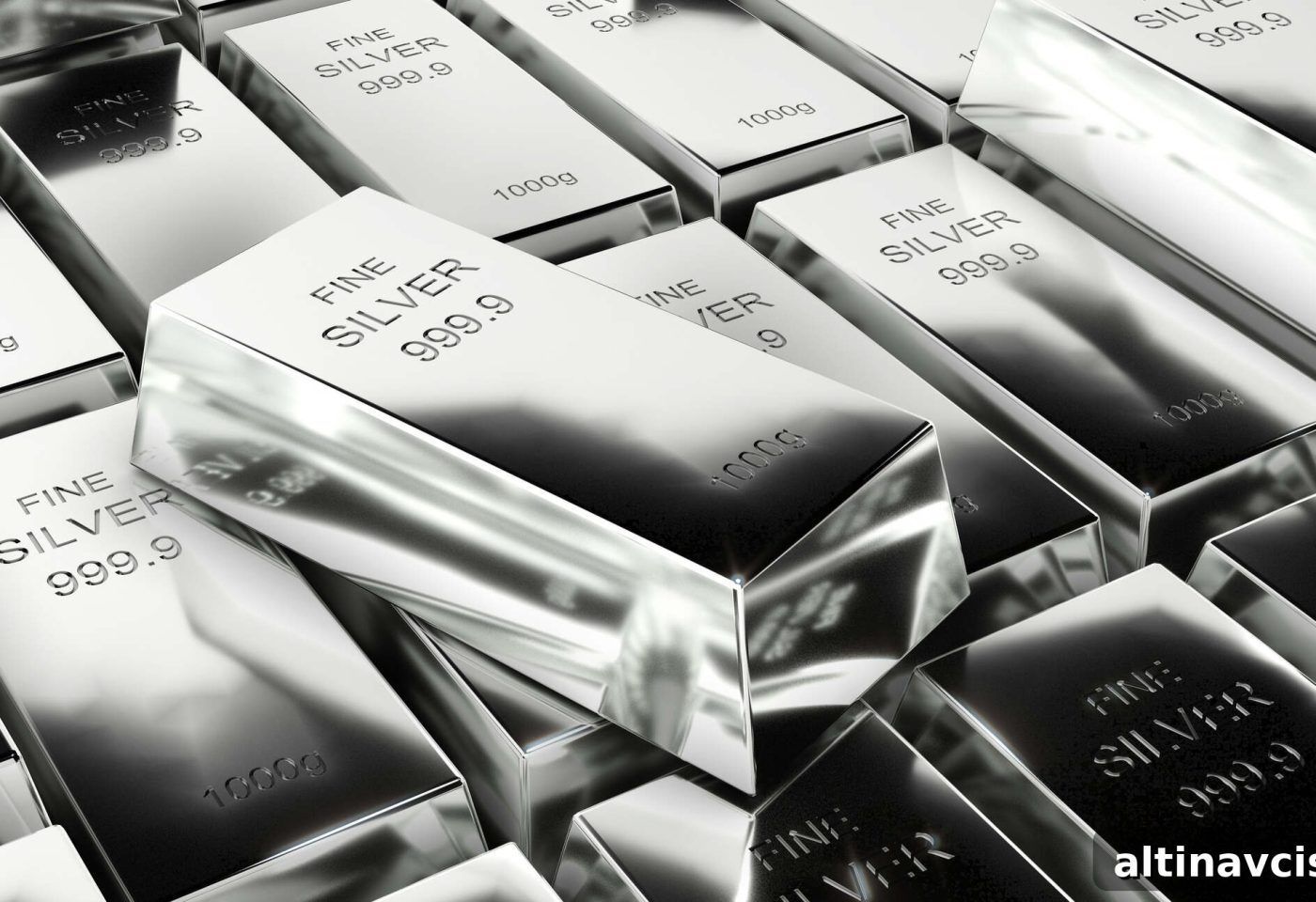
Why Silver Is Rallying: Supply, Demand, and What Comes Next
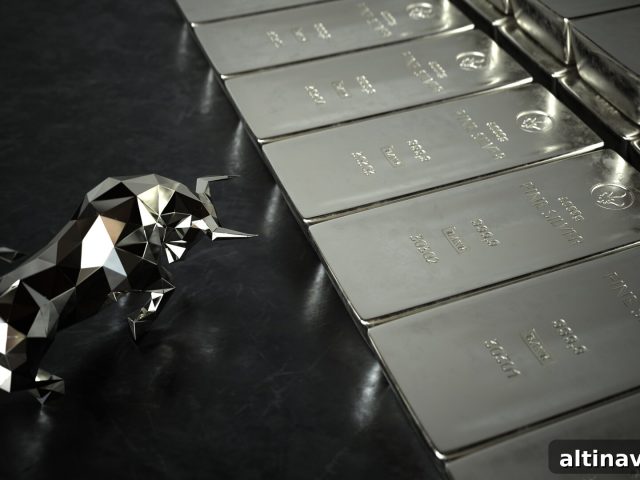
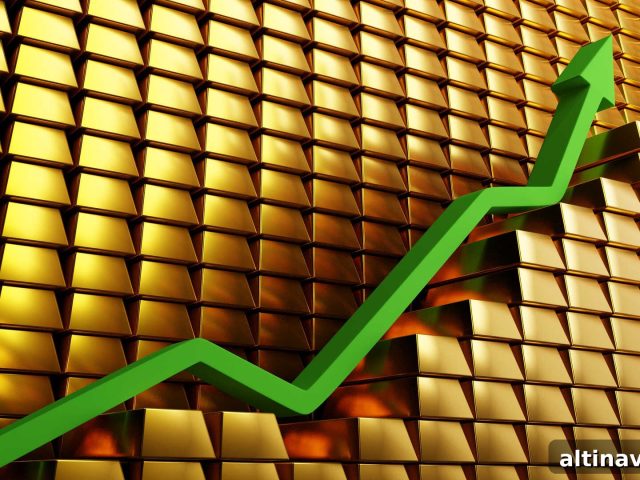
Silver has surged roughly 35% over the past 12 months, driven by a combination of strong industrial demand and renewed interest as a safe-haven asset. This rally reflects a market where consumption outpaces primary mine production, while broader macroeconomic factors—such as expectations for U.S. interest rate cuts and a softer dollar—are creating additional upward pressure on prices.
Industrial Demand: Photovoltaics, EVs, and Electronics
Industrial uses account for a large and growing portion of silver demand. In 2024, total consumption reached about 1.16 billion ounces, with major contributions from photovoltaics (solar panels), electric vehicles (EVs), and a wide range of electronic applications. Silver’s unique combination of conductivity, reflectivity, and antimicrobial properties makes it essential in many high-tech and renewable-energy contexts. As adoption of solar power and electrified transportation accelerates, the industrial requirement for silver is expected to remain robust, supporting long-term demand.
Supply Constraints: The Byproduct Problem
On the supply side, annual mine production is hovering near 1.02 billion ounces, creating structural deficits for the fifth consecutive year. A key structural feature of silver markets is that roughly 70–80% of silver is produced as a byproduct of mining for other metals. This byproduct nature makes primary silver production relatively inelastic—mining companies focused on copper, lead, or zinc may not ramp up silver output in response to higher silver prices alone. That mismatch between rising industrial demand and constrained, slow-to-respond supply has contributed materially to recent price strength.
Macroeconomic Drivers: Inflation, Rates, and the Dollar
Macro factors are amplifying silver’s appeal. Although inflation has cooled slightly from its peak, expectations of future U.S. interest rate cuts and a weakening U.S. dollar can increase interest in precious metals. Lower interest rates reduce the opportunity cost of holding non-yielding assets like silver, while a softer dollar typically raises demand from international buyers and makes dollar-priced commodities cheaper for foreign investors. These dynamics have added an extra layer of momentum to the metal’s rally.
Price Outlook and Analyst Views
Analyst forecasts for silver vary widely, reflecting differing views on how persistent supply deficits will be and how quickly macro conditions will change. Near-term projections span a broad range—from around $28 to $50 over the next year—illustrating the market’s uncertainty and sensitivity to macroeconomic shifts. Many market observers expect more moderate gains in the medium term, commonly estimating increases of about 15–20% over the next two years. Looking further ahead, some analysts and market participants see the possibility of silver prices reaching $80 by 2030, should industrial demand continue to rise and supply remain constrained.
Investment Considerations
For investors, silver presents a dual profile: it’s both an industrial commodity tied to technological and renewable trends and a precious metal that can act as a hedge in times of macro uncertainty. That dual role can lead to greater price volatility compared with some other commodities. Those considering exposure should weigh the risks associated with variable industrial demand, the structural limits to primary supply, and macroeconomic scenarios that could either support or depress prices (for example, a stronger dollar or faster-than-expected rate normalization).
Conclusion
Silver’s recent 35% rally reflects a mix of tightening fundamentals and macro tailwinds. With consumption at about 1.16 billion ounces in 2024 and mine supply near 1.02 billion ounces, the market has recorded structural deficits for five straight years. The metal’s status as a byproduct of other mining operations constrains the supply response, while anticipated interest-rate moves and currency trends could further influence prices. Analyst forecasts range significantly—from $28 to $50 in the next year—with many expecting mid-term gains of 15–20%, and some projecting prices could top $80 by 2030. These combined factors make silver a closely watched market for both industrial users and investors.
Popular Topics
Picked from the archive
-
01
 Topics
Gold Prices Slip as Tariff Tensions Rattle Markets
-
02
Topics
Silver Price Forecast 2025: Will Silver Reach $40?
-
03
Topics
Private Job Growth Drops to 2-Year Low, Treasury Yields Plunge
-
04
Topics
Japan Election Promises and Tariff Fears Rattle Bond Market
-
05
Topics
Gold Hits Five-Week High on Trade Uncertainty, Weak Dollar
-
06
Topics
Why U.S. Treasuries Are No Longer a Crisis Safe Haven
-
07
Topics
Gold Prices Rise Ahead of Fed Minutes, Key Economic Data
-
08
Topics
Why Trump Can’t Reverse Interest Rate Hikes Despite Fed Pressure