ETF Inflows Propel Gold Demand to Highest H1 Levels Since 2020
Gold Surges in Early 2025: ETF Inflows, Central Bank Buying, and Strong Investment Demand
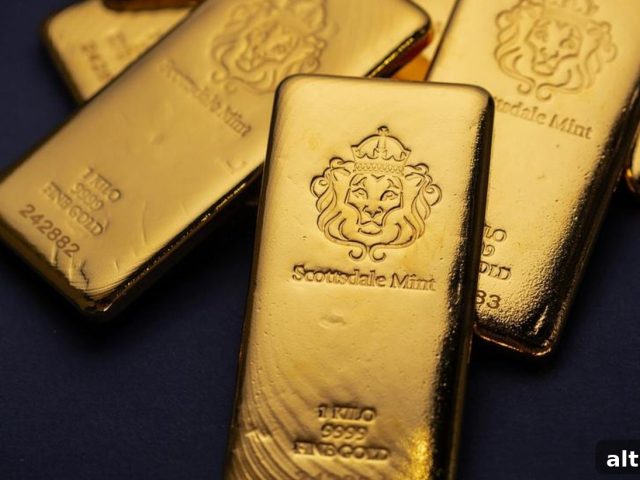
Gold prices climbed sharply in the first half of 2025, rising about 26% to reach record highs. Despite those gains, investors continued to increase their allocations to the metal, particularly via exchange-traded funds (ETFs). According to the World Gold Council’s Q2 Gold Demand Trends report, total global investment demand jumped 78% year-on-year, representing the strongest six-month period for investment demand since 2020. This surge reflects renewed investor appetite for gold as a portfolio diversifier and a perceived hedge against various economic risks.
ETF Flows and Investor Behaviour
ETF inflows played a central role in supporting the price rally. In both Australia and broader global markets, net purchases of gold-backed ETFs more than made up for the outflows observed earlier in 2024, when concerns about economic slowdown and heightened geopolitical tensions led some investors to reduce exposure. The return of ETF buyers highlights how digital and institutional channels have become a primary conduit for allocating capital to gold, reflecting its appeal to retail and professional investors alike.
Central Bank Activity Remains Substantial
Central banks continued to purchase gold at scale in Q2 2025, adding 166 tonnes to their reserves during the quarter. These ongoing official-sector purchases add an important source of demand that can help underpin prices, particularly during periods of market dislocation. Central bank buying typically reflects long-term reserve management objectives, diversification away from fiat currencies, and a desire to bolster financial stability.
Retail Demand: Bars, Coins, and Regional Drivers
Retail demand for physical gold also strengthened, with bar and coin purchases rising by 11% year-on-year. This uptick was driven mainly by investors in large markets such as China and India, where cultural affinity for gold and periodic saving and gifting traditions sustain consistent buying. Physical demand in these regions tends to respond to price movements, festival seasons, and local economic conditions, and the recent increase indicates both a renewed appetite for tangible assets and a desire for liquidity and safety.
Jewellery Demand Falters
In contrast to investment and official demand, jewellery consumption fell sharply during the period. Weaker jewellery demand can reflect higher prices, changing consumer preferences, or regional economic headwinds that reduce discretionary spending. While jewellery typically accounts for a large share of overall gold demand, the divergence between falling jewellery and rising investment purchases underscores a reallocation of investor and consumer priorities toward gold as a financial asset rather than primarily as a luxury good.
Why Investors Still Prefer Gold
Several factors underpin persistent investor interest in gold. Inflation concerns and fears of currency debasement make gold attractive as an inflation hedge. Geopolitical uncertainty and market volatility increase the appeal of safe-haven assets. Additionally, uncertain macroeconomic conditions and doubts about the pace and direction of monetary policy can motivate investors to hold a defensive allocation to gold. ETFs offer a convenient, low-friction way to gain exposure without the storage and liquidity considerations that accompany physical holdings, contributing to the strong inflows observed.
Outlook for the Second Half of 2025
Analysts quoted in the World Gold Council report and other market observers suggest that ongoing volatility and unpredictable macroeconomic dynamics could continue to support gold prices in the second half of 2025. While future price movements will depend on a range of factors—including interest rate decisions, inflation readings, currency movements, and geopolitical developments—the combination of strong ETF demand, continued central bank purchases, and resilient retail interest provides a solid foundation for the market. Investors should, however, remain mindful of price swings and base allocations on long-term objectives and risk tolerance.
In summary, the first half of 2025 saw a notable convergence of demand drivers: record price appreciation, robust ETF inflows, significant central bank buying, and increased physical purchases in key markets, even as jewellery consumption weakened. These dynamics illustrate how gold continues to serve multiple roles in global portfolios—as a store of value, a strategic reserve asset, and a tactical hedge in times of uncertainty.
Popular Topics
Picked from the archive
-
01
 Topics
Gold Prices Slip as Tariff Tensions Rattle Markets
-
02
Topics
Silver Price Forecast 2025: Will Silver Reach $40?
-
03
Topics
Private Job Growth Drops to 2-Year Low, Treasury Yields Plunge
-
04
Topics
Japan Election Promises and Tariff Fears Rattle Bond Market
-
05
Topics
Gold Hits Five-Week High on Trade Uncertainty, Weak Dollar
-
06
Topics
Why U.S. Treasuries Are No Longer a Crisis Safe Haven
-
07
Topics
Gold Prices Rise Ahead of Fed Minutes, Key Economic Data
-
08
Topics
Why Trump Can’t Reverse Interest Rate Hikes Despite Fed Pressure