Trump’s No-Tariff Pledge Calms Gold Prices

Gold Prices Reconcile After Trump Clarifies Tariff Stance
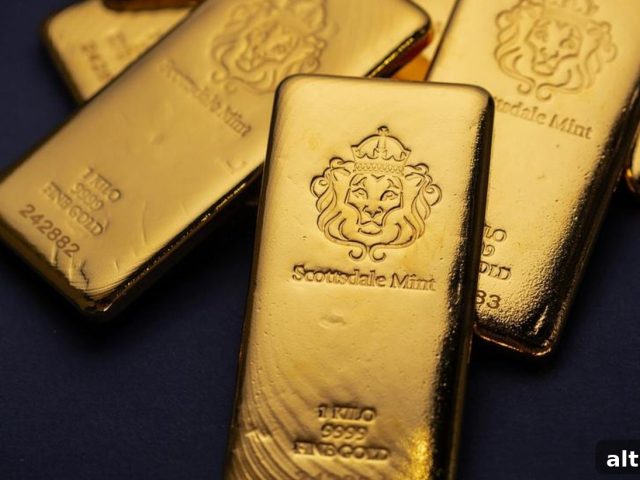
US gold futures and spot prices moved back toward equilibrium after President Trump reassured markets that imported bullion will not be subject to US tariffs. The clarification helped calm a brief but sharp disconnect that had opened between futures trading on COMEX and London spot prices, which had unsettled traders and prompted comment across the bullion market.
What happened
A surprise ruling from US Customs last week triggered an abrupt widening of the spread between US futures and London spot gold. Futures on the COMEX exchange surged more than $100 higher than the equivalent London spot price, creating an unusual arbitrage opportunity and raising questions about potential trade and regulatory implications for bullion imports. The sudden divergence reflected immediate market reactions to uncertainty over whether imported gold could soon face tariffs.
President’s statement and market response
President Trump’s social media post — “Gold will not be Tariffed!” — helped rein in the distortion, narrowing the gap to roughly $50. That statement reassured market participants that a tariff on imported gold was not imminent, reducing short-term volatility and allowing futures and spot markets to move back toward parity. Traders reported calmer conditions after the clarification, and price discovery resumed in a more orderly manner.
Industry reaction and remaining uncertainty
Industry leaders cautiously welcomed the president’s comment, noting that it provided welcome relief for an immediate source of market stress. However, executives and market observers also emphasized that a public statement, while influential, is not a substitute for a formal, written decision from the appropriate authorities. They stressed that only an official ruling from regulatory or customs bodies will give the gold market the full legal certainty that importers, refiners, and traders require for planning and risk management.
Why it matters
Gold is traded globally across different venues and currencies. When regulatory ambiguity arises, especially regarding tariffs or duties, it can cause price differentials between trading centers, complicate hedging strategies, and disrupt the smooth functioning of physical and futures markets. Importers of bullion may face sudden changes to cost structures, while exchanges and clearinghouses must manage the risk of volatile basis moves between futures and spot prices. For investors and portfolio managers, unexpected regulatory news can affect both short-term trading and longer-term allocations to precious metals.
What to watch next
Market participants will be watching for a formal determination or written guidance from US Customs or other relevant agencies that clarifies the official policy on bullion imports. Confirmation in an official notice would remove lingering uncertainty and likely allow the remaining spread between COMEX futures and London spot to close completely. In the meantime, trading volumes, basis relationships between futures and spot, and behavior in related markets (such as ETFs and bullion dealers) will provide signals about how quickly normal market conditions return.
Conclusion
The president’s statement played a key role in calming immediate market reactions and narrowing a sizable price dislocation. Nevertheless, gold market participants are looking for formal confirmation from authorities to ensure predictable rules for bullion imports and to prevent similar episodes in the future. Until that formal decision is issued, traders and industry stakeholders are likely to remain vigilant and responsive to any new regulatory developments.
Popular Topics
Picked from the archive
-
01
 Topics
Gold Prices Slip as Tariff Tensions Rattle Markets
-
02
Topics
Silver Price Forecast 2025: Will Silver Reach $40?
-
03
Topics
Private Job Growth Drops to 2-Year Low, Treasury Yields Plunge
-
04
Topics
Japan Election Promises and Tariff Fears Rattle Bond Market
-
05
Topics
Gold Hits Five-Week High on Trade Uncertainty, Weak Dollar
-
06
Topics
Why U.S. Treasuries Are No Longer a Crisis Safe Haven
-
07
Topics
Gold Prices Rise Ahead of Fed Minutes, Key Economic Data
-
08
Topics
Why Trump Can’t Reverse Interest Rate Hikes Despite Fed Pressure