Gold Trading Volume: Why $227B Daily Trades Matter to Investors

Every second, millions of dollars of gold change hands across global markets. In 2024, average daily gold trading volume rose to $227 billion — a 39% increase from 2023’s $163 billion. That surge is more than a headline: it reflects gold’s expanding role in portfolios and highlights opportunities and risks investors should understand.
What Is Gold Trading Volume and Why Should You Care?
Gold trading volume measures the total dollar value of gold traded across markets over a specific period. It combines activity across several channels, including:
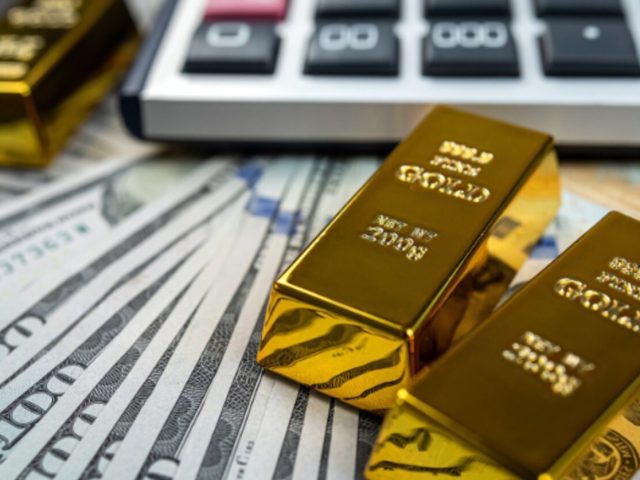
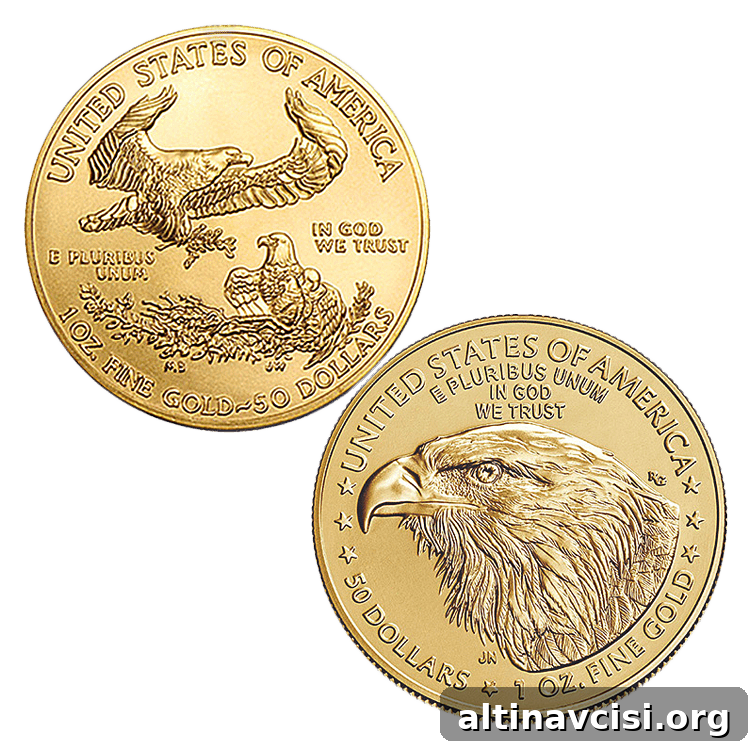
- Physical bullion transactions — bars and coins traded in the over-the-counter market and retail channels.
- Futures contracts on major exchanges, which allow large-scale hedging and speculative activity.
- Over-the-counter (OTC) spot trades and derivatives between banks, dealers, and institutional clients.
- Exchange-traded funds (ETFs) backed by physical gold that provide retail and institutional access.
Unlike many commodities, gold benefits from deep liquidity that rivals major currencies and large-cap stocks. That liquidity makes it easier to enter or exit sizable positions without dramatically moving the market price.
Quick Facts: Gold Trading Volume at a Glance
- Daily Trading Volume (2024): $227 billion
- Year-over-Year Growth: +39% from 2023
- OTC Markets: $99 billion daily
- Futures Exchanges: $62 billion daily
- Gold ETFs: $2 billion daily



What Fuels Gold’s Trading Activity?
Gold’s trading volume reflects reactions to global economic and geopolitical conditions. The main drivers include:
- Economic uncertainty and market volatility: During financial stress or market turbulence, investors increase allocations to gold for capital preservation, driving spikes in volume.
- Central bank reserves: Central banks are major participants; coordinated buying or selling by central banks can shift global supply-demand dynamics and boost trading activity.
- Interest rate shifts: Because gold does not yield interest, lower real rates often increase its appeal; expectations around central bank policy strongly influence volume.
- Currency movements: Gold is typically priced in U.S. dollars, so dollar strength or weakness prompts global investors to adjust positions, altering volumes across markets.
How Trading Volume Illuminates Market Movements
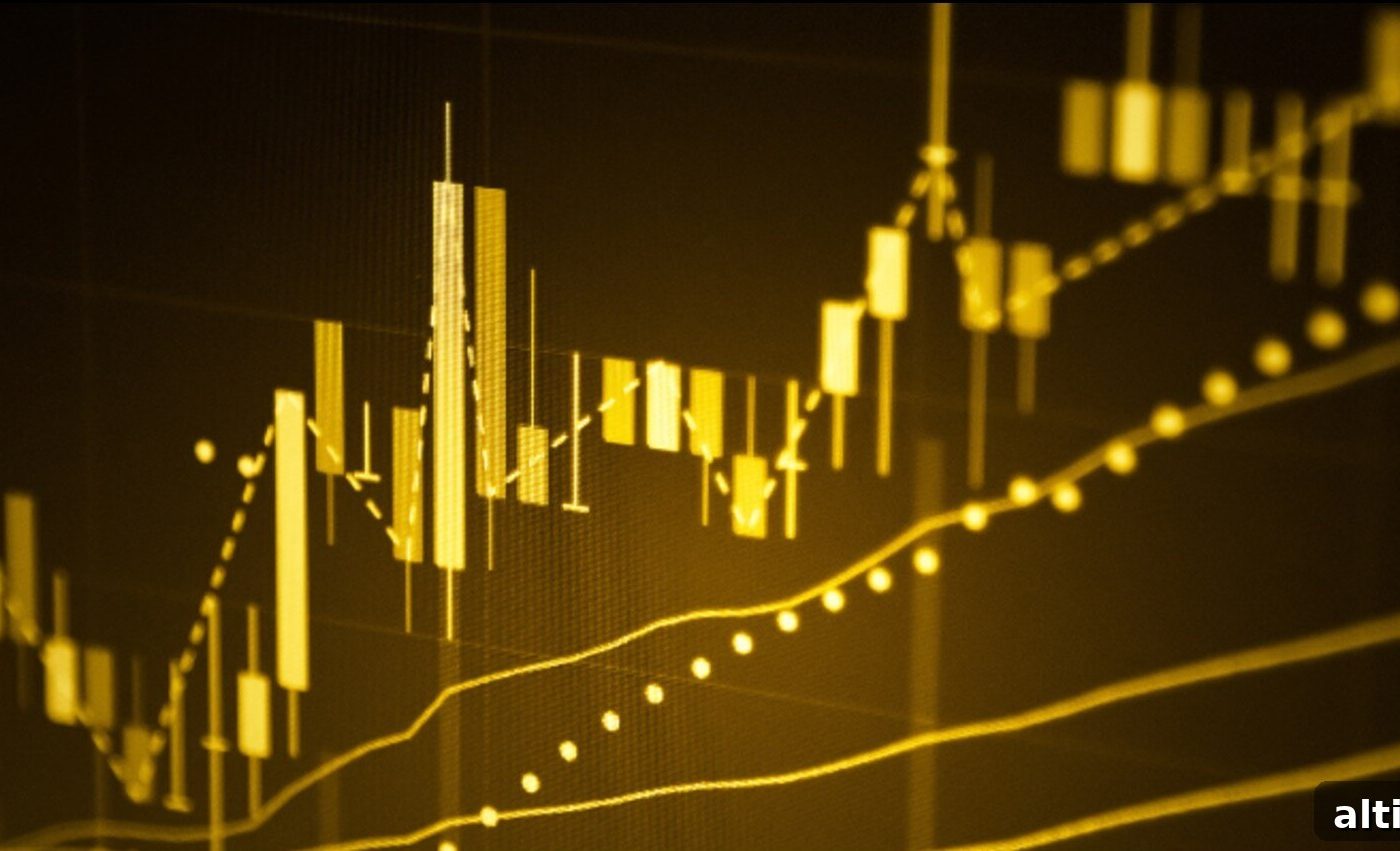
Volume is a practical measure of market conviction and an important complement to price action:
- Validating price moves: Price trends confirmed by rising volume are more likely to be sustainable.
- Avoiding false signals: Large price changes on low volume can be short-lived or driven by thin liquidity, so traders should be cautious.
- Revealing sentiment: Sudden surges in volume often precede significant price swings and can serve as an early alert to changing market sentiment.
Investing in Physical Metals Made Easy
Access to physical gold and silver has widened with digital platforms, custodial services, and ETFs — making metals more accessible for diversification and long-term preservation.
Historical Volume Trends and What They Reveal
Trading volumes have trended higher over recent years as institutional participation and retail access have increased. Volume typically climbs during:
- Economic crises: Investors shift to gold as a safe-haven asset.
- Inflationary periods: Demand rises when investors seek protection from currency depreciation.
- Currency debasement: Monetary expansion and weakening fiat currencies often boost gold demand.
Leveraging Volume Insights in Your Gold Strategy
Volume analysis can strengthen investment decisions and risk management:
- Gauge liquidity: High volume supports easier execution of large trades with lower market impact.
- Time market moves: Combining volume with price trends helps identify higher-probability entry and exit points.
- Manage risk: Recognizing volume spikes lets you anticipate heightened volatility and adjust exposure.
Comparing Gold’s Liquidity to Other Assets
Gold’s liquidity is comparable to major global markets and typically exceeds other commodities such as oil or silver. That depth of market makes gold a dependable choice when investors require stability and rapid access to capital.
The Road Ahead: Growing Gold Market Liquidity
Market infrastructure, broader institutional adoption, and easier retail access via digital platforms are likely to continue expanding gold’s liquidity. As central banks diversify reserves and more investors use ETFs and digital custody, gold’s role as a liquid store of value should persist.
Volume: The Market’s Real Storyteller
With daily trading volumes surpassing $227 billion, gold’s market is active, liquid, and influenced by a broad set of participants. Volume is more than a statistic: it provides insight into market health, investor sentiment, and emerging price drivers.
Understanding trading volume gives investors an edge when navigating price swings and building a resilient precious metals allocation — whether for diversification, inflation protection, or crisis preparedness.
People Also Ask
What does gold trading volume mean?
Gold trading volume is the total dollar value of gold traded across markets during a set period, including bullion, futures, ETFs, and OTC trades. Higher volume signals deeper liquidity and makes it easier to transact without large price impact.
Why is gold trading volume important for investors?
Volume indicates how actively gold is traded and helps confirm whether price moves reflect broad conviction. Investors use volume to assess liquidity, verify trend strength, and manage trade execution risk before making major allocations.
How much gold is traded daily?
In 2024, average daily gold trading volume was approximately $227 billion, a significant rise from prior years and comparable to the trading activity of some major currencies.
What factors drive gold trading volume higher?
Volume tends to increase during financial crises, inflationary concerns, central bank purchases, and major currency swings. In short, rising uncertainty often translates into greater gold activity as investors seek a defensive allocation.
Is gold more liquid than other commodities?
Yes. Gold generally trades with deeper, steadier liquidity than most commodities, including silver and many energy products, making it a core choice for investors who value reliable market access.
Get Gold & Silver Insights Direct to Your Inbox
Join investors receiving market analysis, trade ideas, and timely updates on precious metals trends.
The information provided is for educational purposes only and should not be considered investment advice. Past performance does not guarantee future results. Consult qualified financial professionals before making investment decisions.
Popular Topics
Picked from the archive
-
01
 Topics
Fed Minutes Signal Deepening Concern Over Persistent Inflation
-
02
Topics
Fed Inflation Gauge Falls to 2.1% as Consumer Spending Slows
-
03
Topics
Gold Rises Friday but Posts Weekly Loss After Inflation Shock
-
04
Topics
Profit-Taking Pauses Gold Near $3,380 Amid Trade Policy Fears
-
05
Topics
U.S. Gas Prices Fall to 12-Month Low Despite Heat; Storage Up 6%
-
06
Topics
Russian Central Bank Cuts Rates by 2% as Inflation Slows
-
07
Topics
Texas to Recognize Gold and Silver as Legal Tender in 2027
-
08
Topics
Gold Price Climbs 30% YTD Amid Economic Uncertainty