Top Economist Warns of U.S. Recession as Fed Options Shrink
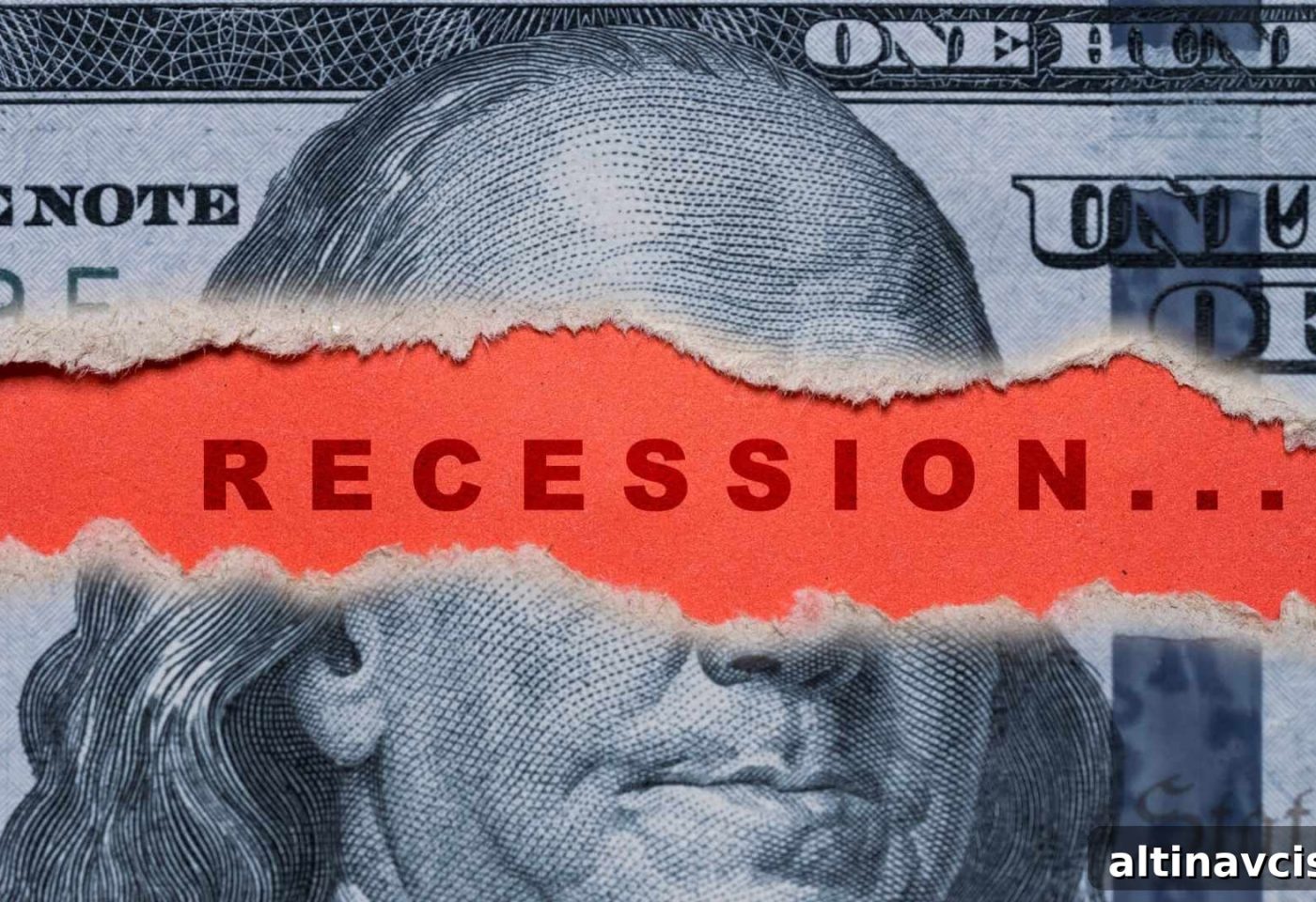
Economist Mark Zandi Warns U.S. Economy Is Teetering on Recession
Prominent economist Mark Zandi is cautioning that the U.S. economy may be approaching a recession. Recent economic indicators, Zandi argues, show a troubling mix of slowing job growth and rising inflation, a combination that complicates the Federal Reserve’s policy options. These mixed signals increase uncertainty for households, businesses, and financial markets.
Flattening Consumer Spending and Labor Market Softening
Zandi highlights that consumer spending, a primary driver of U.S. economic activity, has become unusually flat. When households pull back on spending, businesses face weaker demand, which can trigger reductions in hiring or shorter workweeks. Zandi points to reduced hours worked and a slowdown in job growth as evidence that labor market strength is waning. While employment may not be collapsing, the softer trajectory is notable because a sustained deceleration in jobs and hours can quickly translate into broader economic weakness.
Weakness in Construction and Manufacturing
In addition to consumer behavior and labor trends, Zandi calls attention to declines in construction and manufacturing activity. Both sectors are sensitive to shifts in demand and financing conditions. Construction often responds quickly to changes in interest rates and housing demand, while manufacturing reacts to both domestic consumption and global trade dynamics. A pullback in these areas can reduce investment and slow income growth for workers and firms, reinforcing an economic slowdown.
Inflation Pressures Complicate Federal Reserve Policy
Complicating the picture, Zandi notes that inflation has ticked higher even as job growth softens. This combination—slowing growth with persistent or rising inflation—is particularly challenging for the Federal Reserve. If inflation remains elevated, the Fed may feel compelled to keep interest rates higher for longer, which can further cool economic activity. Conversely, moving quickly to ease policy to defend growth risks allowing inflation to become entrenched. Zandi’s warning underscores the difficult trade-offs policymakers face when growth and price trends diverge.
Policy Choices and External Factors
Beyond macroeconomic indicators, Zandi attributes part of the economic strain to policy choices that affect costs for households and businesses. He points to rising tariffs, which can raise input prices for manufacturers and increase costs for consumers, as well as stricter immigration policies that can reduce labor supply in key industries. Both factors can weigh on household financial health and corporate profit margins, contributing to a less resilient economy. Zandi stresses that policy choices matter for both short-term growth and longer-term productivity.
Implications for Households and Businesses
If Zandi’s concerns prove accurate, households could face slower income growth, tighter job markets, and higher borrowing costs if the Fed maintains restrictive policy. Lower consumer spending in turn can depress revenues for businesses, particularly in sectors sensitive to discretionary spending, construction, and durable goods. Firms may respond by scaling back hiring, delaying investment, or trimming hours—responses that would reinforce a slowdown.
What to Watch Next
Zandi’s assessment suggests several indicators to monitor closely: the pace of job growth and changes in average hours worked, trends in consumer spending, activity in construction and manufacturing, and the trajectory of inflation. Policymakers and market participants will be watching these data points to gauge whether the economy is sliding toward a downturn or merely experiencing a temporary soft patch. The Federal Reserve’s response to incoming data will be especially important in shaping the near-term outlook.
Outlook and Preparedness
While no forecast is certain, Zandi’s warning serves as a reminder that the economy can shift quickly when multiple headwinds align. Households and businesses may want to consider contingency planning—preserving savings, managing debt, and reassessing investment timing—while policymakers weigh options that balance inflation control with support for growth. Careful monitoring of incoming economic data and prudent policy choices will be essential to navigate the risks Zandi highlights.
Popular Topics
Picked from the archive
-
01
 Topics
U.S. Jobs Surge Dims Chances of July Fed Rate Cut
-
02
Topics
Trump Imposes 50% Copper Tariff, Global Markets Reeling
-
03
Topics
Tariffs Drive Up Consumer Prices as Inflation Rises
-
04
Topics
Trump’s Big Beautiful Bill Clears House; Senate Vote Looms
-
05
Topics
Treasury Yields Jump After May Inflation Tops Estimates at 2.7%
-
06
Topics
Trump Threatens 100% Tariff on Chips to Revive U.S. Manufacturing
-
07
Topics
When Should You Start a Precious Metals IRA?
-
08
Topics
Cryptocurrency Prices Slide as Investors Exit Risk Assets