China’s PBOC Adds to Gold Reserves for Ninth Month
China Increases Gold Reserves for Ninth Straight Month, Holdings Near 74 Million Ounces
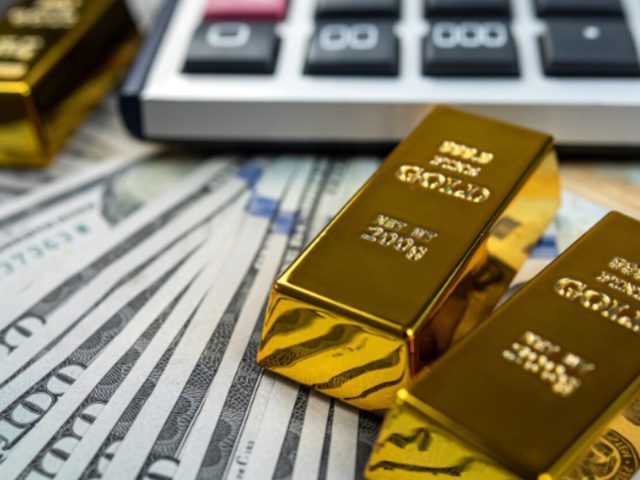
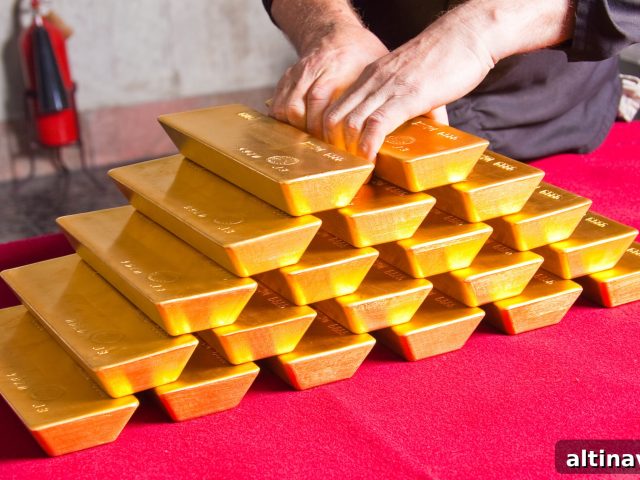
China’s central bank continued its steady accumulation of gold in July, marking the ninth consecutive month of additions and bringing total holdings to nearly 74 million ounces, a stockpile valued at almost $244 billion. This sustained buying pattern highlights a longer-term strategic emphasis on gold within China’s reserve management policy.
What the Increase Means
Consistent purchases by one of the world’s largest central banks are widely viewed as a signal that gold remains an important component of reserve diversification. Central banks commonly add gold to guard against inflation, mitigate currency risk, and strengthen financial resilience amid geopolitical and economic uncertainty. While official motivations are rarely spelled out in full detail, sustained accumulation over months suggests a purposeful, strategic allocation rather than short-term trading.
Impact on Gold Markets and Prices
Persistent buying from a major central bank tends to support global demand for physical gold, contributing to a firmer price environment over time. Market watchers have responded by raising forecasts for the metal. In particular, a Reuters poll of analysts projected an average gold price of $3,220 per ounce this year, reflecting bullish sentiment that is influenced by both central bank purchases and broader macroeconomic conditions.
Why Investors Take Notice
Investors closely follow central bank reserve moves because they can indicate official views on risk, currency strategy, and long-term asset allocation. When a large economy consistently adds to its gold reserves, it underscores gold’s role as a safe-haven asset and can shift perceptions about future volatility and potential hedging needs. For portfolio managers and individual investors, such signals often prompt reassessments of exposure to gold through bullion, exchange-traded products, or mining equities.
Context and Considerations
While central bank buying is important, it is only one factor among many that influence gold prices. Supply dynamics from mines and recycling, industrial demand, investor flows into and out of funds, and interest rates all play significant roles. Moreover, official reserve increases do not always translate into immediate or dramatic price moves; they contribute to the market’s medium- and long-term supply-demand balance and can underpin price resilience during periods of stress.
Takeaways
The ninth month of continuous gold accumulation by China’s central bank in July — taking holdings to nearly 74 million ounces and valuing that stockpile at roughly $244 billion — reinforces gold’s standing as a strategic reserve asset. Analysts raising price forecasts, including a Reuters poll that estimated an average of $3,220 per ounce this year, reflect the wider market reaction to such central bank behavior. For market participants, the persistent trend is a reminder that gold remains a key instrument for diversification and risk management in an uncertain global economic environment.
Popular Topics
Picked from the archive
-
01
 Topics
Fed Minutes Signal Deepening Concern Over Persistent Inflation
-
02
Topics
Fed Inflation Gauge Falls to 2.1% as Consumer Spending Slows
-
03
Topics
Gold Rises Friday but Posts Weekly Loss After Inflation Shock
-
04
Topics
Profit-Taking Pauses Gold Near $3,380 Amid Trade Policy Fears
-
05
Topics
U.S. Gas Prices Fall to 12-Month Low Despite Heat; Storage Up 6%
-
06
Topics
Russian Central Bank Cuts Rates by 2% as Inflation Slows
-
07
Topics
Texas to Recognize Gold and Silver as Legal Tender in 2027
-
08
Topics
Gold Price Climbs 30% YTD Amid Economic Uncertainty