Lessons from 1980s Inflation for Gold Prices Today

Gold Rally: Record Prices Driven by Geopolitical Tensions, Central Bank Buying, and Economic Uncertainty
Gold has entered a powerful rally, pushing prices to new highs as investors respond to rising geopolitical tensions, lingering economic uncertainty, and sustained buying from central banks. These factors are combining to reinforce gold’s traditional role as a safe-haven asset, prompting renewed interest from institutions and private investors alike.
Why Gold Is Rising Now
Multiple forces are at work behind the rally. Geopolitical instability increases demand for assets that tend to hold value during crises, and gold is often the first port of call. At the same time, broader economic uncertainty — including concerns about growth, shifting monetary policy, and uneven global recoveries — fuels appetite for defensive stores of value. Meanwhile, central bank purchasing has shifted from the net selling seen in previous decades to active accumulation, tightening the supply available to investors.
How Today Differs from the 1980 Gold Peak
Comparisons to the 1980 gold peak are inevitable whenever prices approach historical highs, but important differences distinguish today’s environment from that era. The 1980 peak occurred amid extreme inflation and acute political turmoil in several regions. Today, while inflation concerns remain a consideration, headline inflation and unemployment in many major economies are lower than in 1980, and financial markets are generally more developed and liquid.
These distinctions matter because the drivers and transmission mechanisms for asset prices have changed. Modern central bank tools, deeper financial markets, and more sophisticated investor behavior mean that gold’s current rise is taking place in a different macroeconomic and structural context.
Central Banks: From Sellers to Buyers
One of the most significant structural changes over recent years is the behavior of central banks. Where many central banks were net sellers of gold in past decades, the trend has reversed: numerous monetary authorities are now adding to their gold reserves. This shift reduces the latent supply that once cushioned price moves and signals that policymakers view gold as a valuable diversification and risk-management tool.
Central bank buying can be particularly supportive for prices because their purchases are typically large, strategic, and persistent. This creates a steady source of demand that can absorb supply shocks and contribute to upward pressure on prices over time.
Geopolitical Risk and Safe-Haven Demand
Rising geopolitical tensions tend to amplify safe-haven flows. When conflicts or political uncertainties intensify, investors often rotate toward assets perceived as reliable stores of value. Gold’s long-standing reputation as a hedge against currency depreciation, inflation spikes, and systemic risk makes it a natural beneficiary of such flows.
It’s important to note that safe-haven demand can be episodic: surges in buying often coincide with acute events, while calmer periods can see some of that demand ebb. Yet, persistent or recurrent geopolitical instability can sustain elevated baseline demand for gold over longer horizons.
Market Dynamics: Supply, Investment Demand, and Monetary Policy
Gold’s price reflects a balance between supply-side factors (mining production, recycling, and central bank sales or purchases) and demand-side factors (jewelry, industrial use, investment demand via bars, coins, and exchange-traded funds). Changes in any of these components can influence price trajectories.
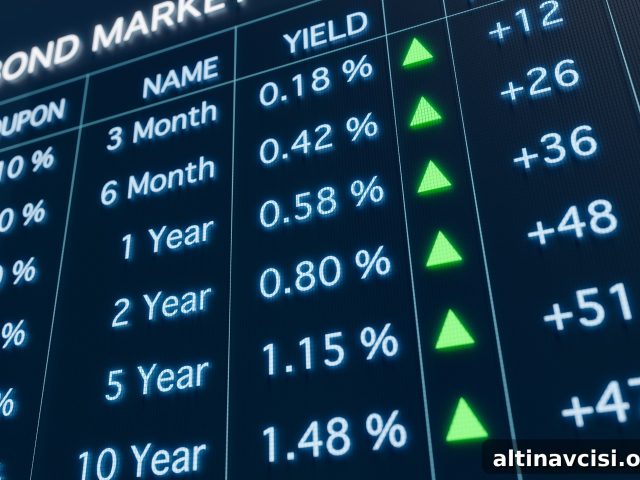
Monetary policy also plays a central role. Expectations about interest rates and real yields influence gold’s attractiveness because gold does not generate income. Lower real yields generally make gold more appealing, while rising yields can raise the opportunity cost of holding the metal. Investors closely watch central bank statements and economic data for clues about future interest rate paths and inflation expectations.
What This Means for Investors
For investors, the current environment highlights gold’s function as a portfolio diversifier and risk hedge. Those considering exposure should weigh factors such as time horizon, liquidity needs, and risk tolerance. Diversified exposure can be achieved through physical gold, ETFs, or selected mining equities, each with different cost, storage, and operational considerations.
Investors should also remain mindful of volatility and avoid assuming that any rally will be uninterrupted. Gold can experience sharp reversals if macro conditions shift — for example, if inflation expectations moderate, geopolitical tensions abate, or real yields rise markedly.
Conclusion
Gold’s recent surge to record levels is the result of a confluence of factors: heightened geopolitical risks, ongoing economic uncertainty, and a notable increase in central bank purchases. While parallels to the 1980 peak exist in headline terms, the current macroeconomic and institutional landscape is different. As a result, gold’s elevated position may be sustained by structural trends and defensive demand, but investors should consider potential volatility and maintain a balanced approach when deciding on exposure.
Popular Topics
Picked from the archive
-
01
 Topics
U.S. Jobs Surge Dims Chances of July Fed Rate Cut
-
02
Topics
Trump Imposes 50% Copper Tariff, Global Markets Reeling
-
03
Topics
Tariffs Drive Up Consumer Prices as Inflation Rises
-
04
Topics
Trump’s Big Beautiful Bill Clears House; Senate Vote Looms
-
05
Topics
Treasury Yields Jump After May Inflation Tops Estimates at 2.7%
-
06
Topics
Trump Threatens 100% Tariff on Chips to Revive U.S. Manufacturing
-
07
Topics
When Should You Start a Precious Metals IRA?
-
08
Topics
Cryptocurrency Prices Slide as Investors Exit Risk Assets