Central Banks Slow Pace but Still Buy Gold as Demand Jumps 3%
Gold Demand Rises in Q2 2025 as Investors Turn to Safe-Haven Metal
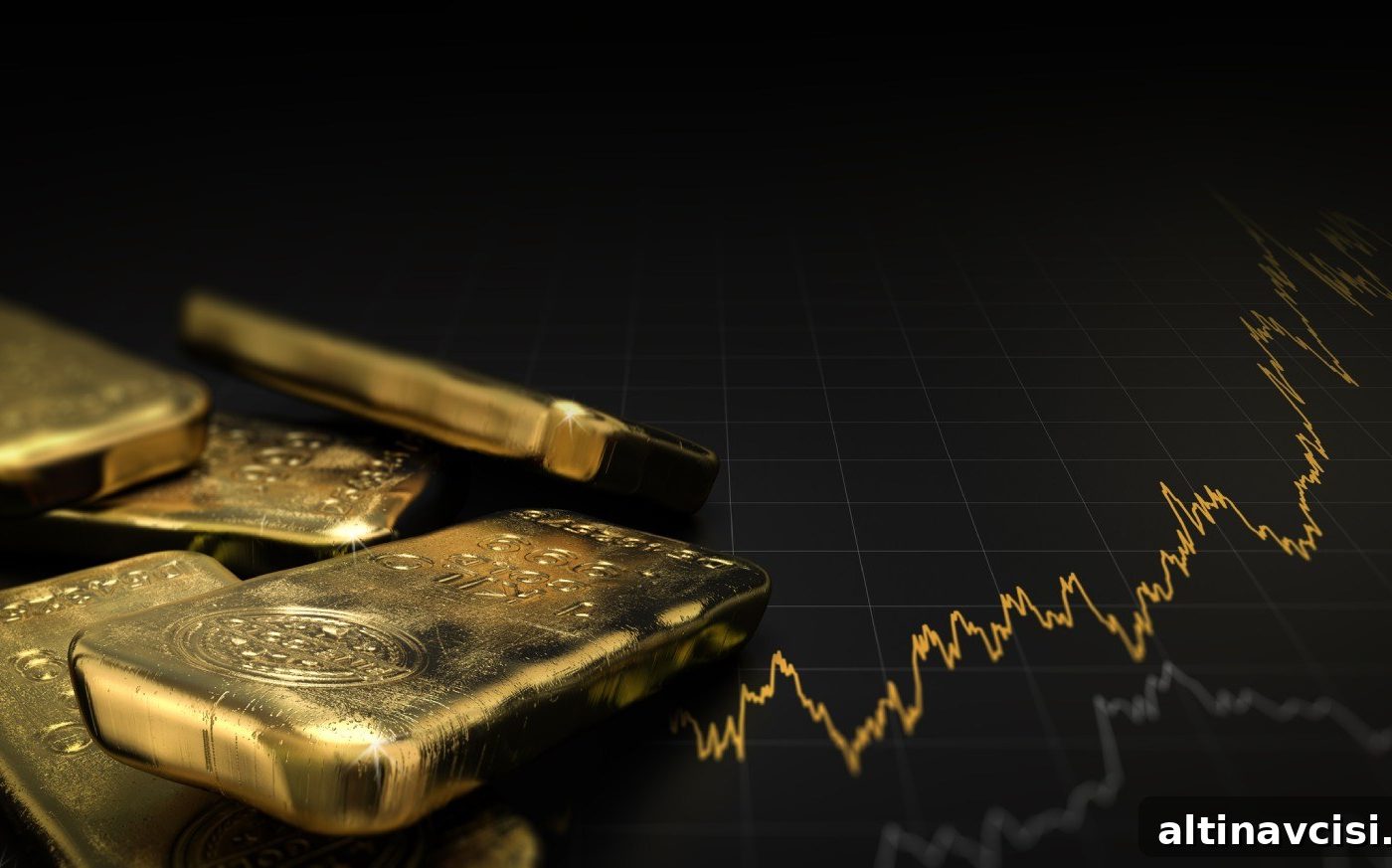
The World Gold Council’s (WGC) Q2 2025 Gold Demand Trends report shows a continued tilt toward gold amid ongoing geopolitical uncertainty. Including over-the-counter trades, total gold demand increased by 3% year-on-year to 1,249 tonnes in the quarter, reflecting heightened investor interest in the metal as a portfolio diversifier and store of value.
Strong ETF Inflows Drive Investment Demand
Exchange-traded funds (ETFs) were a major driver of the inflows, with 170 tonnes added in Q2 and 397 tonnes accumulated in the first half of 2025. According to the WGC, that pace of ETF inflows was the strongest since 2020. These large inflows indicate that institutional and retail investors sought a liquid, transparent way to gain gold exposure amid uncertain markets.
Bar and Coin Demand Surges, Led by China and India
Retail investment in physical gold also strengthened. Demand for bars and coins grew by 11% to 307 tonnes in Q2, with a particularly notable 44% surge in Chinese investment. India, another historically strong market for physical gold, also contributed with solid buying during the period. Increased bar and coin purchases typically reflect both investment and wealth-preservation motives, especially when broader financial markets appear volatile.
Central Bank Buying Remains Significant
Central banks continued to add to their gold reserves, taking net purchases of 166 tonnes in Q2. While this pace was slower than some recent quarters, the amount remains high by historical standards. Central bank demand often reflects long-term reserve diversification strategies and can provide a steady source of support for overall gold demand.
Jewellery Demand Declines on High Prices
Demand for gold jewellery fell by 14% during the quarter. The WGC attributes much of this drop to elevated gold prices, which can reduce discretionary jewellery purchases, particularly in price-sensitive consumer markets. Lower jewellery demand can be cyclical and seasonal, and it often contrasts with investment-driven flows during market stress.
Market Context and Analyst Commentary
WGC analyst Louise Street noted that gold had already recorded a substantial gain of 26% in the first half of 2025. Street pointed out that after such a strong run, gold could settle into a narrower trading range unless macroeconomic conditions worsen further. In practical terms, this suggests that further large moves in the gold price would likely depend on changes in broader economic or geopolitical developments rather than on a continuation of the same trend alone.
What This Means for Investors and Markets
The Q2 snapshot highlights several key themes for investors and market observers. First, ETFs remain a dominant channel for rapid, large-scale allocation into gold. Second, physical demand from retail investors in the form of bars and coins continues to be significant, particularly in China and India. Third, central bank purchases continue to support structural demand for gold as part of reserve diversification. Finally, cyclical factors such as jewellery buying can ebb and flow with price movements and consumer sentiment.
Overall, the WGC’s Q2 2025 report presents a market where safe-haven flows and reserve diversification are prominent, while price-sensitive sectors like jewellery are more constrained by elevated prices. Market participants looking at gold going forward will likely watch geopolitical developments, central bank policies, and macroeconomic indicators closely, since these factors will influence whether gold maintains its recent gains or moves into a more stable trading range.
Popular Topics
Picked from the archive
-
01
 Topics
ECB Reaches 2% Inflation Target in June as Eurozone Prices Hold
-
02
Topics
Trump Threatens EU With 250% Tariffs on Pharmaceuticals
-
03
Topics
Trump Threatens 10-15% Tariffs on Over 150 Countries
-
04
Topics
Trump’s 50% Tariff Threat Sparks Stock Market Turmoil
-
05
Topics
Record Trade Deficit Pushes US GDP Down 0.2%
-
06
Topics
Why Gold Is Defying Market Signals in 2025
-
07
Topics
Why Bond Experts Draw Parallels Between Today’s Fed and the 1930s
-
08
Topics
How He Lifeng Is Rewriting China’s Playbook to Counter Trump