Dollar Strengthens as Global Stocks Fall on Inflation, Trade Fears
Market Reaction to Rising U.S. Inflation and Upcoming Trade Deal
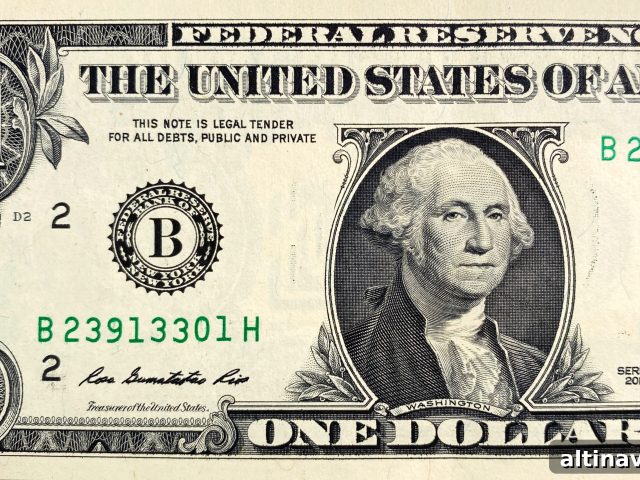
The U.S. dollar index strengthened as global equity benchmarks cooled, with the MSCI global equities gauge falling amid growing investor concern over higher inflation in the United States and anticipation of an August 1 trade deal linked to former President Trump. Market participants responded to a mix of data and geopolitical expectations that together increased uncertainty and prompted a repositioning of assets.
June’s inflation readings showed an uptick, a development market analysts attributed in part to higher import costs driven by existing tariffs. The rise in consumer prices reignited debate over the persistence of inflationary pressures and what that could mean for monetary policy. As import prices climbed, businesses and consumers felt the impact, creating a renewed focus on inflation as a principal driver of market behavior.
At the same time, weekly jobless claims came in lower than many economists and traders had expected, signaling relative resilience in the labor market. While stronger-than-anticipated jobless claims data can be reassuring about economic momentum, in this context it added to the mix of factors suggesting the economy may be running hot enough to complicate the Federal Reserve’s policy calculus.
The Federal Reserve elected to hold interest rates steady and emphasized that further policy moves would depend on incoming economic data. By signaling a data-dependent approach rather than committing to an immediate change in course, the Fed introduced an element of caution that markets tended to interpret as a continuation of uncertainty. Investors are now focused on future indicators—especially inflation and employment data—to assess the timing and extent of any potential rate adjustments.
Against that backdrop, investor appetite for risk shifted. Small-cap stocks lagged sharply, reflecting heightened sensitivity among domestically focused companies to a slowing growth outlook and tighter financial conditions. Smaller companies, which typically have less diversified revenue streams and higher sensitivity to interest-rate expectations, often underperform in environments where inflation and policy uncertainty are rising.
Energy markets also reacted to the prevailing trade and growth concerns. Oil prices slipped as traders priced in the possibility of reduced demand growth tied to trade tensions and broader economic worries. When trade negotiations or geopolitical developments introduce doubts about future global demand, energy commodities are commonly among the first to reflect those concerns through price declines.
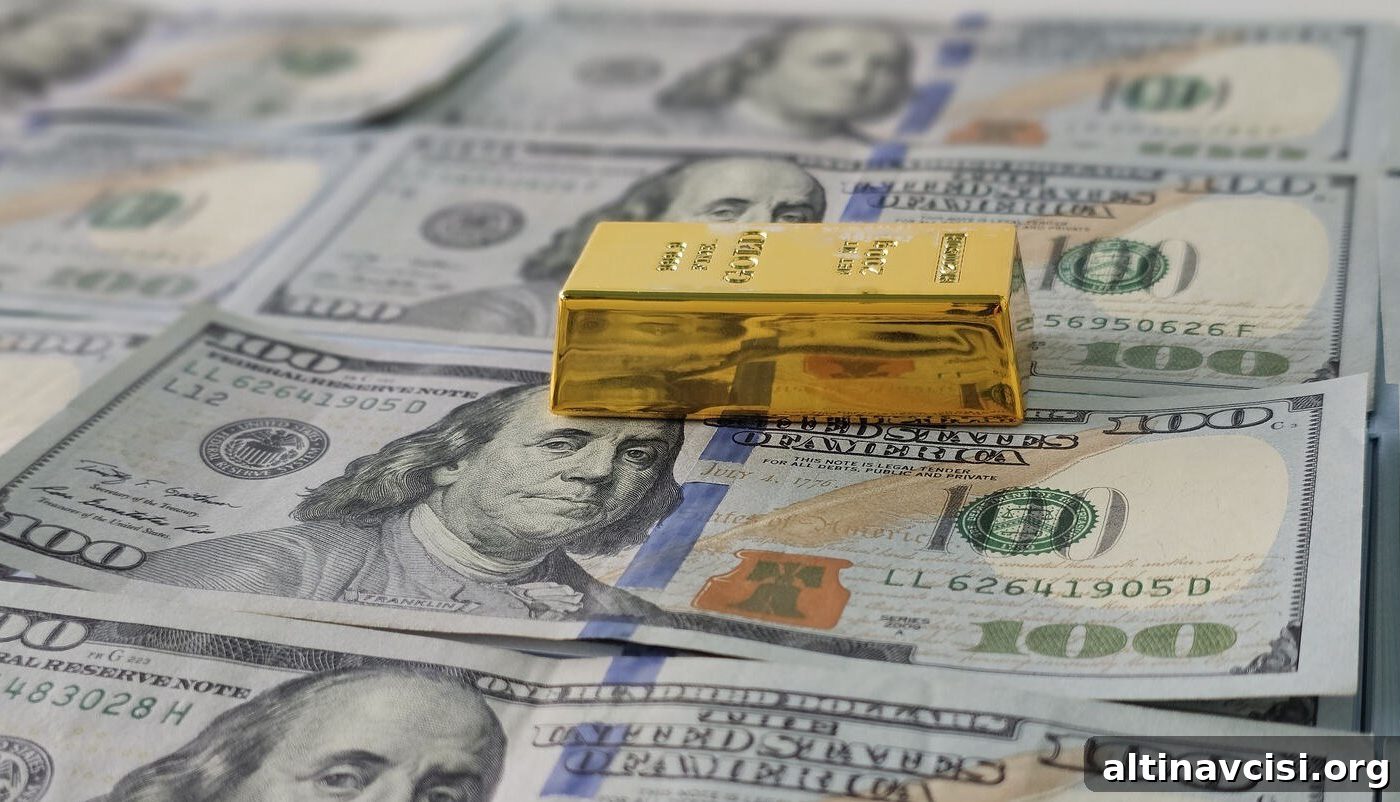
Precious metals benefited from the risk-off tone. Gold in particular inched higher, gaining about 0.51% as investors sought safe-haven exposure amid the mixed signals from economic data and central bank guidance. When inflation climbs and uncertainty about policy direction increases, many investors turn to gold and other safe assets to hedge against volatility and potential currency shifts.
Overall, the market reaction illustrated how interconnected macroeconomic indicators, trade developments, and central bank communication can be. The stronger dollar index underscored flows into U.S. assets and currency strength, which in turn can place additional pressure on corporate profits for exporters and on commodities priced in dollars. Equities responded unevenly, with global benchmarks retreating and more vulnerable segments—such as small caps—bearing the brunt of the sell-off.
With an attention-grabbing blend of rising consumer prices, healthier-than-expected labor market signals, and looming trade developments, investors entered a period of heightened vigilance. Many are awaiting clearer signals from subsequent inflation reports, employment data, and updates on trade negotiations before committing to new positions. The Federal Reserve’s emphasis on a wait-and-see approach means that markets will likely remain sensitive to each data release, and volatility may persist as participants reassess the implications for interest rates, corporate earnings, and currency movements.
In summary, the combination of June inflation pressures, lower-than-expected jobless claims, a Fed decision to hold rates pending more data, and the market’s anticipation of the Aug 1 trade deal produced a cautious tone across asset classes: a firmer U.S. dollar, weaker global equity performance as measured by the MSCI index, a marked underperformance of small-cap stocks, softer oil prices, and modest gains in gold as investors sought refuge from increasing uncertainty.
Popular Topics
Picked from the archive
-
01
 Topics
Silver Prices Jump 35% YTD as Rally Accelerates
-
02
Topics
David Einhorn: Why Gold Prices Keep Rising – Not Inflation
-
03
Topics
Survey Predicts Silver Price Could Reach $41 Despite Volatility
-
04
Topics
US-EU Deal Sets 15% Tariffs; China Truce to Continue
-
05
Topics
Wall Street Reacts to Inflation, Earnings and Trade Policy
-
06
Topics
Gold Drops 1.5% After Fed Holds Rates Steady
-
07
Topics
Fed Rate-Cut Bets Lift Gold as Silver Tops 13-Year High
-
08
Topics
Gold Price Jumps 1% as Investors Seek Safe-Haven Assets