Fed to Hold Interest Rates Despite Trump’s Calls for Cuts
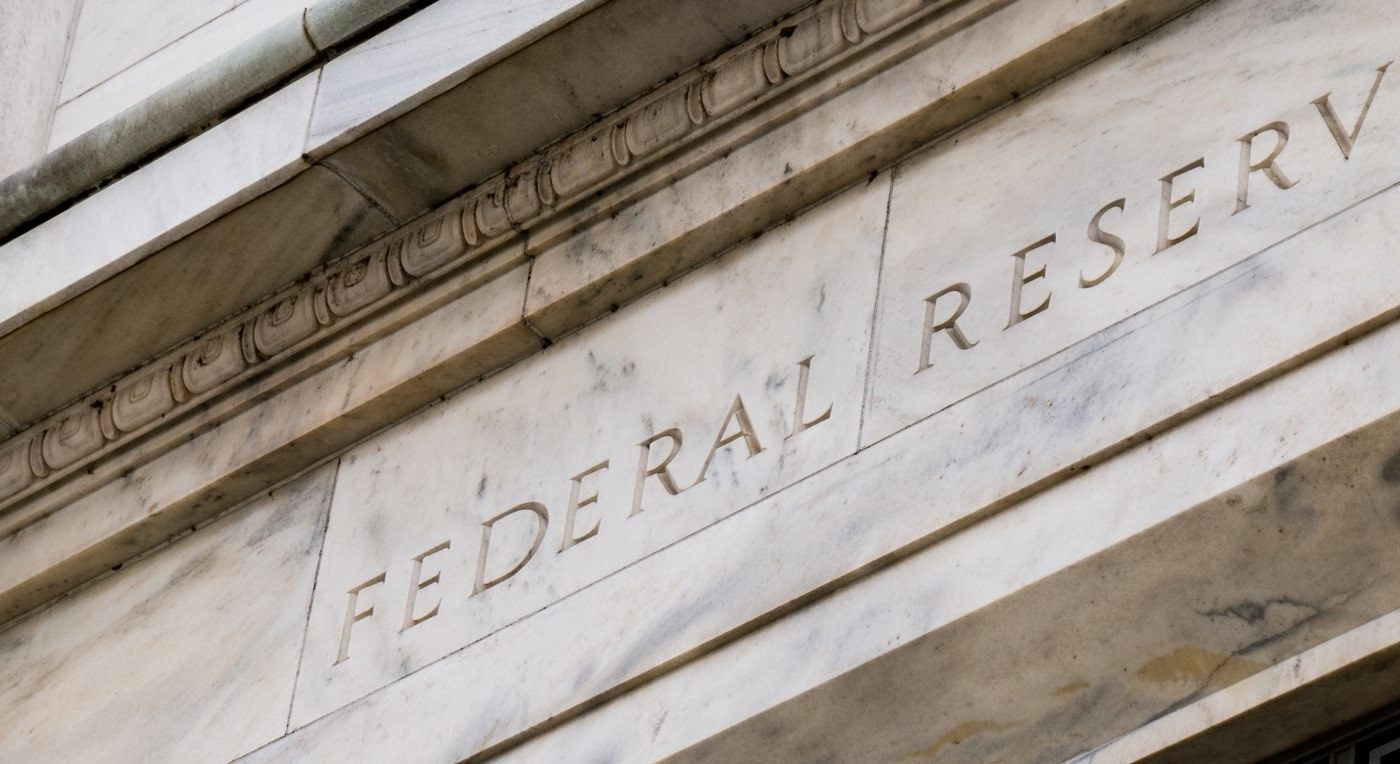
Federal Reserve Meeting Highlights Growing Divide Between Jerome Powell and President Trump on Interest Rates
As Federal Reserve policymakers convene this week, attention is focused squarely on their decision regarding short-term interest rates and the widening policy gap between Fed Chair Jerome Powell and President Donald Trump. The meeting comes amid ongoing debate over the appropriate monetary stance, with the White House pushing for significant cuts while central bankers and many economists urge caution to preserve price stability.
President Trump has publicly called for deep reductions in interest rates, arguing that the U.S. economy remains strong and that inflationary pressures are under control. In his view, lower rates would support continued growth and lending. That stance has put him at odds with the Federal Reserve, which must weigh a broader set of indicators and longer-term risks when setting policy.
The Federal Reserve and a large share of professional economists emphasize the need to keep rates higher for the time being in order to control inflation and maintain price stability. Although inflation has moderated from earlier peaks, it ticked up slightly to 2.7% in June, a move that has prompted Fed officials to remain cautious about prematurely loosening monetary policy. That modest rise in inflation reinforces the Fed’s careful approach and explains why officials are reluctant to commit to aggressive rate cuts.
Market observers and some analysts continue to speculate about prospective rate cuts later in the year, with a number of voices anticipating a possible reduction as soon as September. However, the Fed’s own projections point to a much more restrained path: their forecasts currently imply roughly two rate cuts this year and an additional cut in 2026. Those internal projections suggest that the central bank is preparing for a gradual normalization of policy rather than a rapid rollback.
Against that backdrop, President Trump’s call for rates to fall to as low as 1% has been met with skepticism from many analysts and Fed officials. Under current economic conditions — given the recent rise in inflation and the Fed’s emphasis on price stability — such a steep reduction appears unlikely. Analysts characterise the 1% target as unrealistic given the central bank’s mandate and its current assessment of inflation risks.
The contrast between the administration’s preference for aggressive easing and the Fed’s more measured approach highlights the tension inherent in setting monetary policy in a complex economic environment. The Federal Reserve must balance supporting economic activity with its responsibility to keep inflation in check, while also considering labor market conditions, global developments, and financial stability risks. That broader perspective helps explain why Fed officials often adopt a more conservative posture than political leaders who are focused on short-term growth outcomes.
For businesses, investors, and consumers, the Fed’s decisions and communications matter because they influence borrowing costs, mortgage rates, business investment plans, and household spending. A gradual, well-signalled path of rate adjustments tends to reduce market volatility, while abrupt or unexpected moves can disrupt financial markets. The Fed’s public projections and the language it uses in statements and press conferences this week will therefore be closely scrutinized for clues about its future policy trajectory.
Ultimately, the Fed’s meeting this week is likely to leave intact the short-term interest rate setting while reinforcing the central bank’s cautious stance in light of recent inflation dynamics. The divergence between Chair Powell’s policy prudence and President Trump’s push for lower rates underscores differing priorities: the Fed is focused on a data-driven approach to maintain price stability, whereas the President is emphasising near-term economic growth. How that divergence evolves will depend on incoming economic data, particularly readings on inflation and labor market strength, and on how the Fed interprets those signals in the months ahead.
Popular Topics
Picked from the archive
-
01
 Topics
Gold Falls to 3,300 as Strong Dollar, Inflation Hits Markets
-
02
Topics
13 Countries Adopt Yuan, Challenging Dollar Dominance
-
03
Topics
US Initial Jobless Claims Jump to 240,000
-
04
Topics
What’s Driving Gold Volatility: Trade Tensions or Inflation?
-
05
Topics
Why Investors Are Treating Gold as a Strategic Asset Again
-
06
Topics
Gold Prices Fall from Records as US-China Tensions Ease
-
07
Topics
Markets Doubt Trump’s Ability to Balance Tax Cuts and Spending
-
08
Topics
Global Central Banks Slow Gold Buying as Prices Reach Record Highs