Gold Falls to $3,343 as Dollar Strengthens, Trade Optimism Grows
Gold Retreats as Dollar and Yields Tick Higher; Markets Weigh Fed Outlook
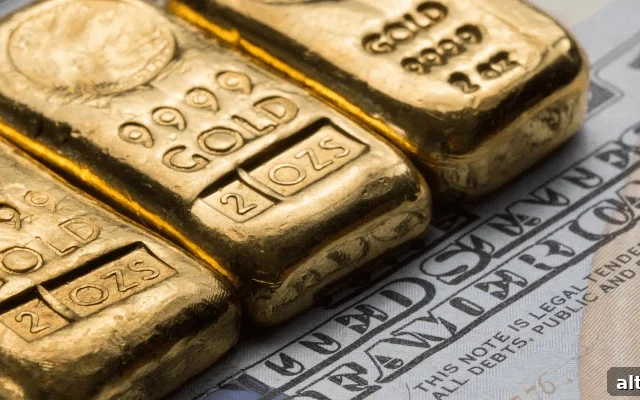
Spot gold eased to $3,343.00 per ounce on Friday, down about 0.7%, while U.S. futures moved to $3,344.50, a decline of roughly 0.9%. The pullback came as the U.S. dollar index bounced off a recent two‑week low and benchmark 10‑year Treasury yields ticked modestly higher, reducing some of the immediate demand for the metal as a safe‑haven asset.
Market Drivers: Dollar, Yields and Economic Data
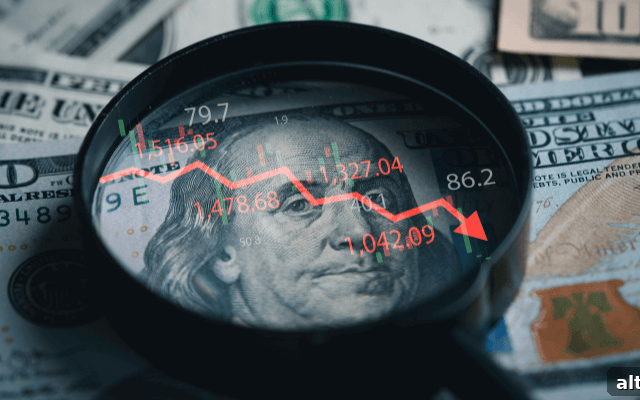
The rebound in the U.S. dollar and the uptick in Treasury yields are typical headwinds for precious metals, which are priced in dollars and often see diminished buyer appetite when the currency strengthens. At the same time, investor attention turned to recent economic indicators and geopolitical developments that appear to be shaping expectations for U.S. monetary policy.
Traders responded positively to reports that the United States and the European Union are nearing a negotiated tariff solution, a development that can reduce short‑term risk premiums and lower safe‑haven demand. At the same time, U.S. jobless claims fell to a three‑month low, signaling resilience in the labor market. Together, those news items have reinforced the view that the Federal Reserve may be more inclined to hold rates steady for the near term rather than move quickly to cut rates.
Fed Signals and Market Expectations
Political pressure on monetary policy was highlighted by President Trump’s public urging of Federal Reserve Chair Jerome Powell to lower rates. Despite those calls, market pricing has shifted: investors are currently placing a greater probability on the first rate reduction happening later in the year, with markets pricing in an easing as early as September rather than sooner. That tempered timeline for rate cuts is an important factor for gold, since lower interest rates reduce the opportunity cost of holding non‑yielding assets like bullion.
Support Factors for Gold and What Would Drive a Rally
Analysts point out that central bank purchases of gold remain a supportive factor for prices. When official institutions add to reserves, it creates a persistent source of demand that can underpin the market even amid short‑term volatility. However, most commentators agree that for gold to regain momentum and move back toward year‑end targets cited by some market participants—around $3,675 per ounce—two further conditions would likely be necessary: a renewed wave of inflows into gold ETFs and a more pronounced easing cycle from the Fed.
ETF flows matter because they aggregate retail and institutional investment demand in an accessible form; a sustained pickup in inflows can act as a direct and measurable boost to overall physical and paper demand. Meanwhile, deeper or more rapid rate cuts would generally lower real yields and increase the relative attractiveness of gold as an inflation hedge and portfolio diversifier.
Near‑Term Outlook and Investor Considerations
In the near term, gold prices are likely to remain sensitive to moves in the U.S. dollar, shifts in real yields, and ongoing macro developments such as trade negotiations and labor market readings. Traders should expect volatility around key economic releases and policy statements. For long‑term investors, the interplay between central bank buying, ETF demand, and the trajectory of U.S. interest rates will be central to whether gold can regain its previous highs.
Risk factors that could quickly alter the outlook include unexpected economic weakness that forces the Fed into faster or larger rate cuts, renewed geopolitical tensions that increase safe‑haven flows, or a sudden change in the pace of official sector purchases. Conversely, a stronger‑than‑expected economic backdrop or a prolonged dollar rally would likely keep pressure on prices.
Conclusions
Friday’s dip in spot and futures prices reflected a mix of technical and fundamental pressures: a firmer dollar, slightly higher Treasury yields, improving labor market data, and progress on trade talks that reduced immediate risk aversion. Central bank demand is a constructive backdrop for gold, but analysts say broader ETF inflows and a more aggressive easing cycle from the Fed would be needed to push prices toward the year‑end targets some investors have discussed. Until then, gold’s path will largely follow shifts in monetary policy expectations, currency moves, and flows into precious‑metal investment vehicles.
Popular Topics
Picked from the archive
-
01
 Topics
June Inflation Rises to 4-Month High as Import Costs Surge
-
02
Topics
Trump Imposes 35% Tariffs on Canadian Imports: Economic Impact
-
03
Topics
Sub-Saharan Gold Hoarding Sparks Price and Liquidity Risks
-
04
Topics
Dollar Falls After Moody’s Downgrade and New Tax Bill
-
05
Topics
Gold Climbs Ahead of Key US Inflation Report
-
06
Topics
Shanghai Futures Exchange Opens Commodities Market to Global Investors
-
07
Topics
Russia Moves to Seize Top Gold Mining Company from Billionaire
-
08
Topics
How Inflation and Tariffs Are Reshaping U.S. Retail Spending