China Rare-Earth Magnet Exports Surge After U.S. Trade Truce
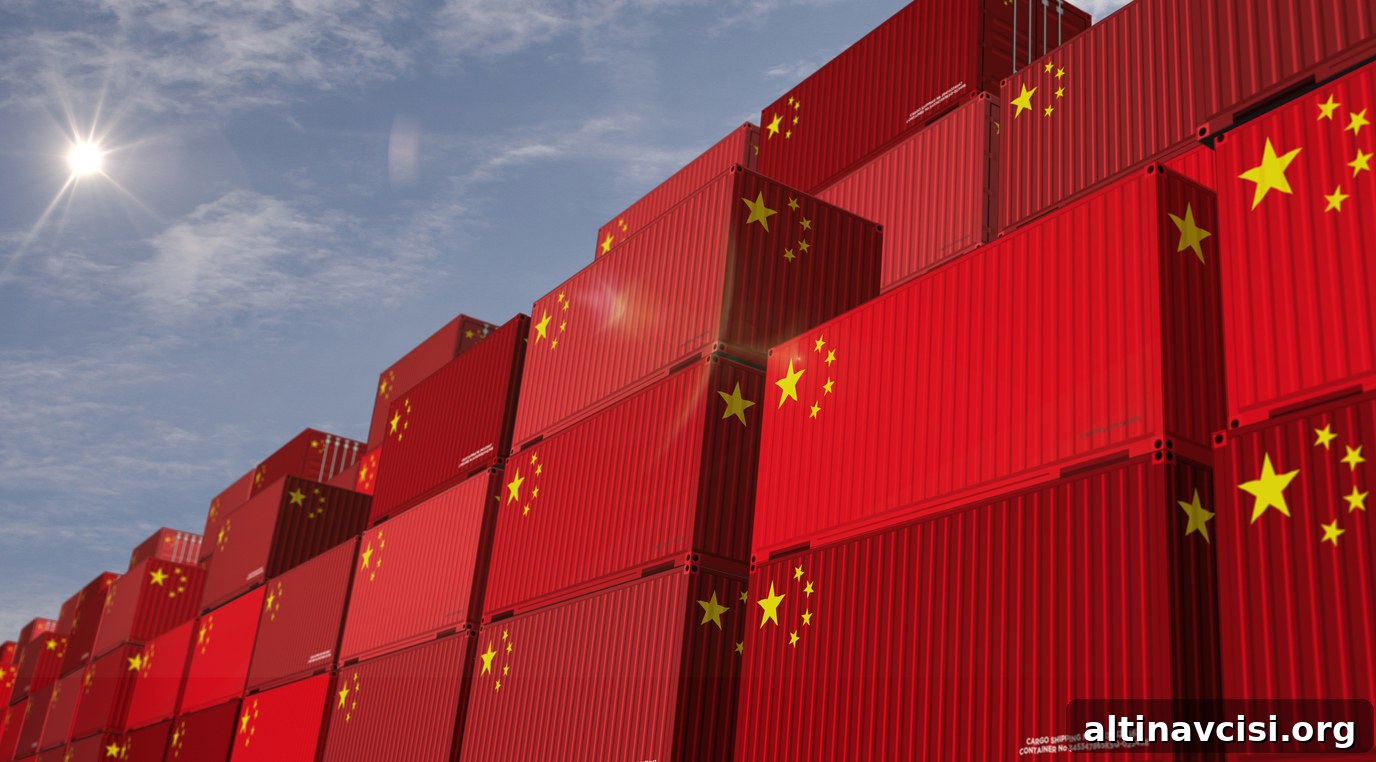
China Rare Earth Magnet Exports Surge in June, But Supply Concerns Remain
China sharply increased its exports of rare earth magnets in June, with overall shipments rising by 158% and exports to the United States expanding by more than sevenfold. The spike followed a recently announced trade truce intended to ease mounting global tensions around critical mineral supplies. Despite the notable month-to-month rebound, shipments remain well below long-term historical averages.
Why Rare Earth Magnets Matter
Rare earth magnets are essential components in a wide range of modern technologies. They play a crucial role in everything from electric vehicles (EVs) and renewable energy systems to consumer electronics and defense equipment such as fighter jets. China currently supplies around 90% of the world’s rare earth magnets, a dominant position that has made global manufacturers and governments highly sensitive to changes in Beijing’s export policies.
The Recent Export Surge and Its Limits
The June increase helped alleviate some immediate pressures after months of tighter export controls and uncertainty. While the percentage rise is dramatic, the absolute volume of exports is still lower than typical historical levels. That gap reflects the lingering effects of the earlier restrictions, operational bottlenecks, and a cautious market response to recent political and regulatory developments.
Supply Chain Reactions: U.S., EU and Beyond
The export tightening earlier this year prompted urgent responses from the United States and the European Union. Both have been actively pursuing strategies to diversify supply chains for rare earth magnets and related materials. That effort includes accelerating domestic production initiatives, expanding investment in alternative sources, and exploring recycling and substitution technologies. The recent uptick in Chinese shipments provides short-term relief, but many stakeholders view it as only a partial solution to longer-term supply security concerns.
Ongoing Frictions and Licensing Backlogs
Despite the trade truce, political frictions and administrative issues persist. Licensing backlogs and unresolved political concerns continue to complicate trade with certain partners, including India and several European countries. These bottlenecks have slowed approvals for some shipments and left end users uncertain about the reliability of future supplies. As a result, companies and governments are still weighing how much to rely on Chinese exports versus building more resilient, diversified supply chains.
What This Means for Industry and Policy
For manufacturers that depend on rare earth magnets, the recent export increase offers temporary relief but does not eliminate strategic challenges. Original equipment manufacturers, defense contractors, and renewable energy developers must still plan around potential volatility. Policymakers are likely to continue prioritizing initiatives aimed at reducing dependency through investment incentives, streamlined permitting for domestic projects, and partnerships to develop alternative sources.
Market participants should expect a period of adjustment as supply-chain diversification efforts ramp up and administrative issues are addressed. Even if exports continue to normalize, the legacy of recent export controls is influencing procurement strategies, pricing expectations, and long-term investment decisions across multiple industries.
Looking Ahead
The situation remains fluid. The June surge demonstrates that policy shifts can rapidly alter trade flows, but it also underscores how concentrated global dependence on a single supplier can create systemic vulnerabilities. Companies and governments will likely continue to seek a balance between leveraging restored flows from China and strengthening domestic and international alternatives to ensure stable, long-term access to rare earth magnets.
Popular Topics
Picked from the archive
-
01
 Topics
S&P 500 Nears Record High Ahead of Key Inflation Data
-
02
Topics
Japan-U.S. Trade Talks Stall Ahead of July 9 Tariff Deadline
-
03
Topics
Strong Jobs Report Drives 10-Year Treasury Yield Above 4.34%
-
04
Topics
Ruthenium in Electronics: How a Tiny Metal Powers Big Tech
-
05
Topics
Goldman Sachs, JPMorgan Revise Outlook After 90-Day Tariff Truce
-
06
Topics
Gold Prices Drive Indians to ETFs as Physical Demand Falls
-
07
Topics
Survey: More Americans Forced to Keep Working in Retirement
-
08
Topics
China’s Hold on Rare Earths and How the West Can Catch Up