Silver’s Shift From Film to Solar: Impact on Global Markets
Why Silver Looks Undervalued Compared to Gold
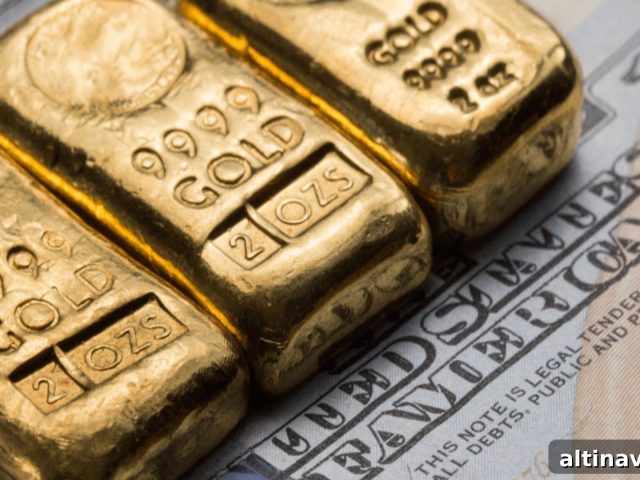
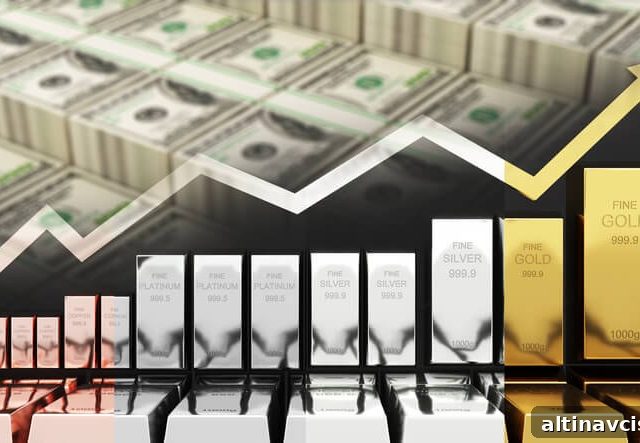
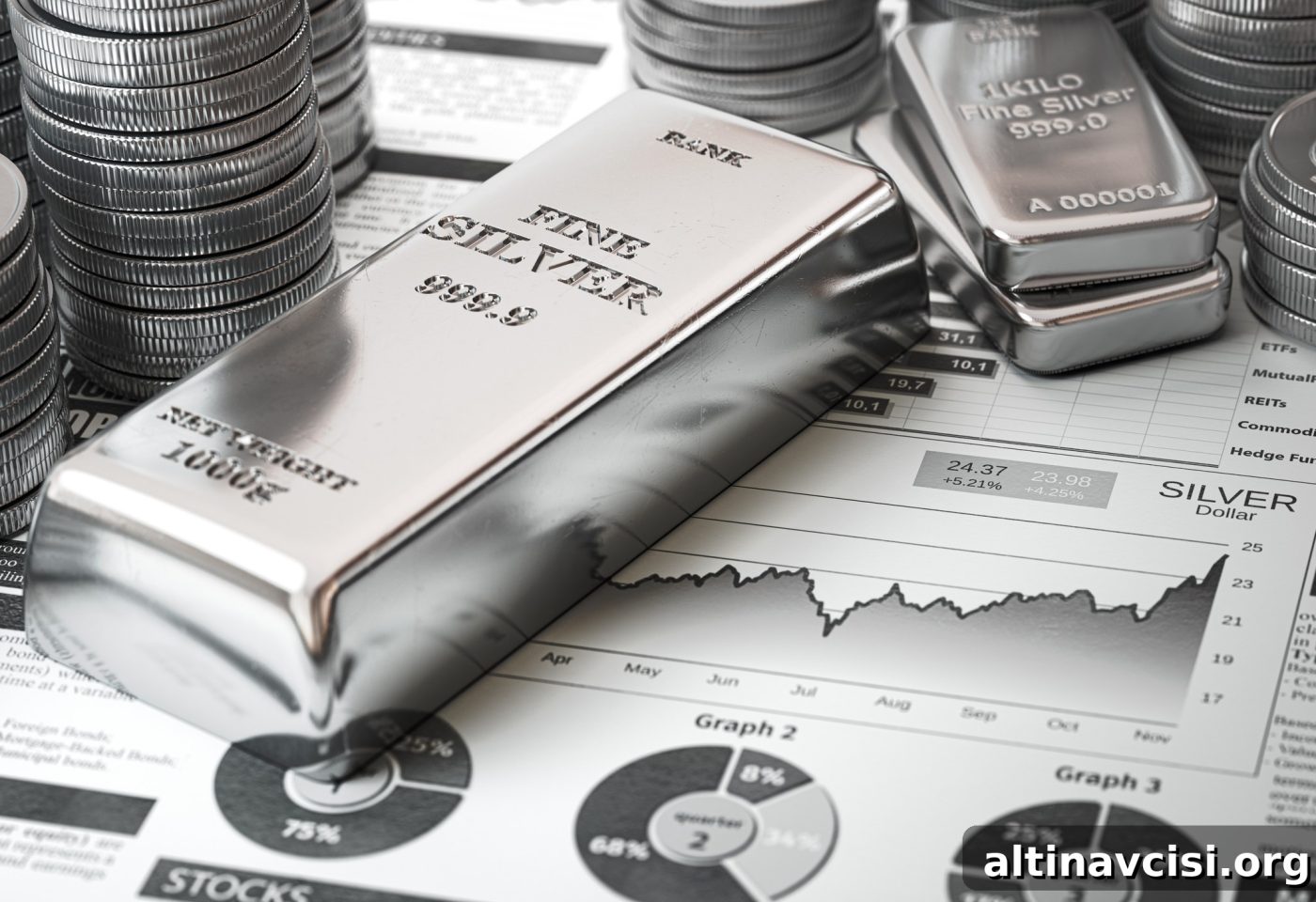
Silver is trading at historically weak levels relative to gold. Currently, it takes more than 100 ounces of silver to purchase a single ounce of gold, a dramatic departure from the roughly 25:1 relationship observed in 2011. That divergence has attracted attention from investors and analysts who track precious metals, industrial demand, and long-term value trends.
What Drove the Shift: The Decline of Photographic Demand
One important factor behind silver’s underperformance has been its diminished role in traditional photography. In earlier decades, silver compounds were essential to photographic film and paper, consuming a substantial portion of global silver supply. At one time, photography accounted for roughly a quarter of total silver use. As digital imaging replaced film, that consumption fell sharply to only a small fraction of overall demand—just a few percent today—removing a major, steady source of silver consumption.
Emerging Industrial Demand: Solar and Clean Energy
While photographic use has declined, industrial demand for silver has grown in other sectors. A notable example is solar photovoltaic manufacturing. Silver plays a key role in certain types of solar panels, and current estimates place solar production at a significant share of global silver consumption. With renewable energy deployment accelerating worldwide, silver’s role in solar technologies has become a major driver of industrial demand.
Beyond photovoltaics, silver is used in a range of electrical and electronic applications because of its superior conductivity. Its use in batteries and other clean-energy technologies is also expanding as manufacturers seek reliable and conductive materials. That trend links silver’s outlook to the broader transition toward electrification and low-carbon energy systems.
Supply, Demand, and the Investment Case
The widening gap between silver and gold can be viewed through both historical and practical lenses. Historically, the silver-to-gold ratio has varied widely over time. The current ratio—well above 100:1—is far from the 25:1 benchmark seen in 2011. From a long-term perspective, that difference leads some observers to conclude that silver is undervalued relative to gold.
On the demand side, the replacement of film-based photography by digital technology significantly reduced one large category of silver use. At the same time, growing demand from solar manufacturing and other industrial applications has offset some of that decline but not necessarily restored the previous balance. These structural shifts in consumption help explain why silver’s price behavior has diverged from gold’s.
For investors, this combination of factors suggests a few key considerations. First, if silver is indeed undervalued relative to gold, it may offer an attractive entry point for those seeking exposure to precious metals. Second, industrial demand tied to clean energy and electronics could support long-term consumption, providing a different kind of price driver than the traditional store-of-value role that gold often plays. Finally, volatility and market dynamics in both metals mean that timing and risk management remain important.
Outlook and Practical Takeaways
Silver’s future will depend on how industrial demand evolves and whether investors reassess its relative value versus gold. Continued growth in solar panel production and expanding applications in batteries and clean-energy systems have the potential to increase structural demand for silver. At the same time, macroeconomic forces, monetary policy, and investor sentiment toward precious metals will influence price movements.
In summary, silver is trading at a historically weak level compared to gold, driven in part by the collapse of photographic demand and a reorientation of industrial use toward renewable energy technologies. The metal’s role in solar panels and other clean-energy applications has become a significant and growing component of global consumption. For those evaluating precious metals, the current environment presents an opportunity to consider silver’s long-term industrial demand alongside its historical price relationship with gold.
Popular Topics
Picked from the archive
-
01
 Topics
Gold Falls Below USD 3,350 After Strong US Jobs Report
-
02
Topics
ECB Analysis: How Central Banks Gauge Market Uncertainty
-
03
Topics
Federal Spending Rises 8.7% Despite DOGE Cost Cuts
-
04
Topics
Regional Banks Face Unrealized Losses and Looming Recession
-
05
Topics
Basel III Boosts Gold as a Top Tier Banking Asset
-
06
Topics
Why April’s 4-Year Inflation Low Won’t Last This Summer
-
07
Topics
Gold Drops on Trade Optimism; Dollar, Fed Cuts Lend Support
-
08
Topics
Saxo Bank: Chinese Demand Fuels Gold Price Rally