How Inflation Expectations Could Drive Gold Prices
Inflation Emerges as the New Driver for a Renewed Gold Rally
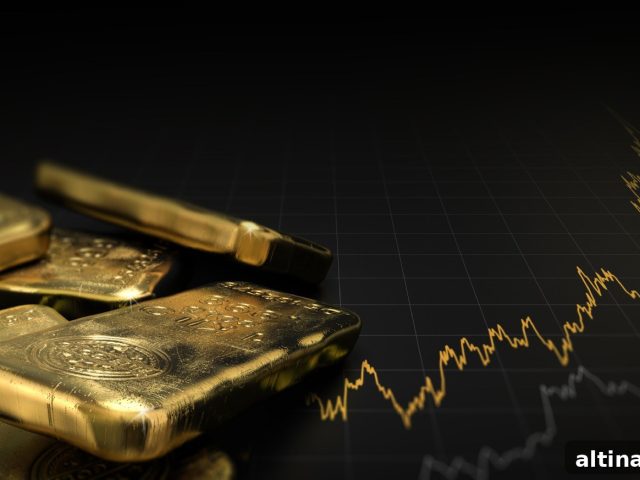
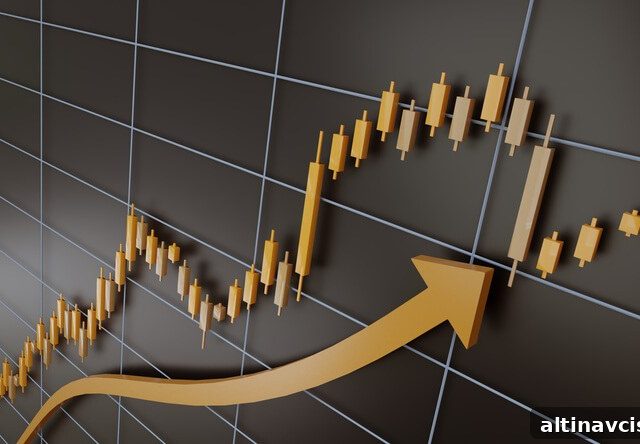
The latest Atlas Pulse Gold Report frames inflation as the “new elephant in the room” for financial markets, and that shift could be fueling a renewed rush into precious metals. Investors who once focused mainly on currency moves or interest-rate expectations are now increasingly watching inflation trends that can erode purchasing power and reshape asset allocation decisions.
Gold and the Precious Metals Complex
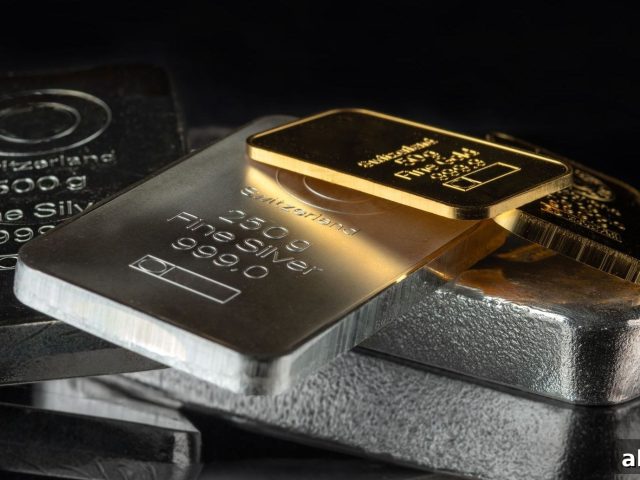
While gold itself is consolidating after a strong run to its April peak, other parts of the precious metals complex are beginning to stir. Silver and members of the platinum group, along with shares of gold-mining companies, are all showing early signs of renewed momentum. These moves suggest that buying interest isn’t limited to bullion alone—industrial and miner-related exposure is also attracting attention.
Global Strength, Not Just a Dollar Story
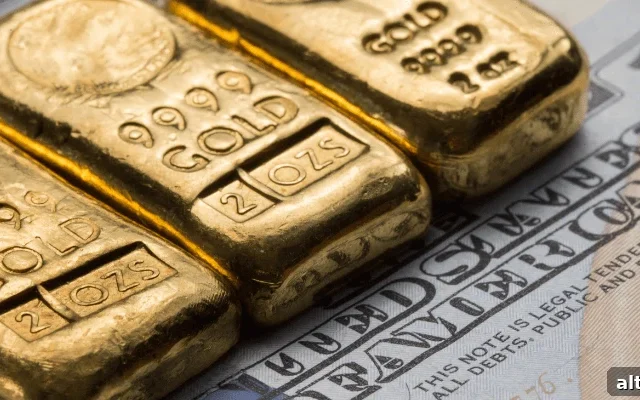
Crucially, the recent advance in gold cannot be explained solely by weakness in the U.S. dollar. According to the report, gold is rising against nearly every major currency, pointing to a genuinely global shift in demand. That broad-based appreciation indicates investors across multiple regions are treating gold as a hedge against inflation and economic uncertainty, rather than simply a dollar-driven trade.
The Dollar’s Role and What Comes Next
Even though the U.S. dollar has weakened roughly 10% so far this year, many analysts still regard it as expensive on an absolute basis. The report warns that a deeper decline in the dollar could act as a catalyst for a sharper move higher in precious metals prices. A further drop in the dollar would typically make dollar-denominated commodities cheaper for overseas buyers, increasing demand and exerting upward pressure on prices.
Why Inflation Matters for Metals
Inflation can influence precious metals in several ways. Rising consumer prices undermine the purchasing power of fiat currencies and often prompt investors to seek stores of value. Gold has a long history as an inflation hedge, while silver and certain platinum-group metals also benefit from demand tied to industrial use and speculative interest. Additionally, inflation expectations can affect real interest rates; when real yields fall, the opportunity cost of holding non-yielding assets like gold decreases, which can support higher prices.
What Investors Are Watching
- Inflation readings and trends across major economies—sustained or rising inflation is a key driver.
- Central bank policy signals—how monetary authorities respond to inflation will influence real yields and risk sentiment.
- U.S. dollar direction—a weaker dollar can amplify inflows into precious metals globally.
- Supply dynamics and mining sector fundamentals—production, costs and operational risks affect miner valuations and broader market supply.
- Industrial demand for metals like silver and platinum—economic activity and technological adoption contribute to longer-term demand.
Portfolio Considerations
For investors considering exposure to precious metals, diversification and risk management are essential. Physical bullion, exchange-traded products, and mining equities each carry different risk-return profiles. Miners provide leverage to metal price moves but also introduce operational, geopolitical and company-specific risks. Physical metals reduce counterparty risk but require secure storage. Deciding among these options depends on an investor’s horizon, liquidity needs and risk tolerance.
Conclusion
The Atlas Pulse Gold Report highlights a notable shift: inflation is becoming a central consideration for markets, and that development is helping to rekindle interest in gold and related assets. With gold gaining ground in multiple currencies and miners and other metals beginning to show life, investors are closely monitoring inflation data, central bank actions and currency dynamics. A sustained rise in inflation—or a further decline in the dollar—could be the catalyst that transforms the current consolidation into a broader precious metals rally.
Popular Topics
Picked from the archive
-
01
 Topics
Gold Surges 1.7% After Israel Strikes Iran
-
02
Topics
Gold Rises as Dollar Share of Global Reserves Drops to 58%
-
03
Topics
What’s Driving Gold Volatility: Trade Tensions or Inflation?
-
04
Topics
Markets Rally After US and China Agree on 90 Day Tariff Cut
-
05
Topics
India Gold Demand Drops Further Amid Soaring Asian Prices
-
06
Topics
Silver Prices Jump 35% YTD as Rally Accelerates
-
07
Topics
Gold Eyes Largest Weekly Gain in a Month Amid US Fiscal Fears
-
08
Topics
Australia’s Central Bank Delays Rate Cut as Inflation Eases