Gold Rises 0.4% as Traders Weigh Mixed Fed Policy Signals

Gold Edges Higher as Investors Digest US Economic Data and Fed Signals
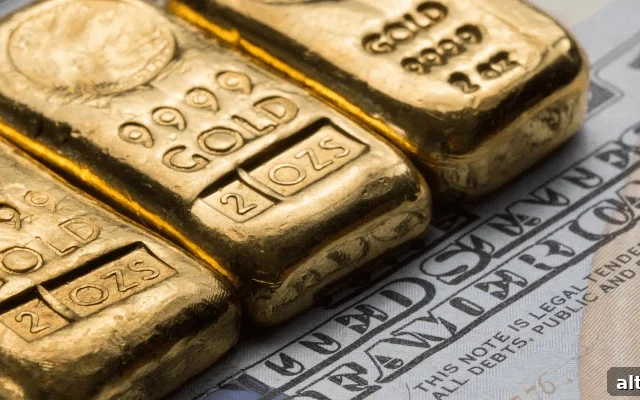
Gold rose modestly to $3,351 per ounce as market participants balanced mixed signals about the outlook for the US economy and the Federal Reserve’s path for interest rates. Recent data—most notably the lowest weekly jobless claims since mid-April and a gain in June retail sales—helped ease immediate fears of a recession. At the same time, stronger economic readings have pushed back some expectations for near-term rate cuts: market swaps are currently pricing in less than a 60% chance of a reduction by September. That tug-of-war between economic resilience and easing hopes for policy relief left bullion trading in a relatively narrow range, with investors looking for fresh cues to set a clearer direction.
Federal Reserve voices and political pressure added nuance to the market narrative. San Francisco Fed President Mary Daly reiterated that two rate cuts this year remain a reasonable possibility, signaling that the central bank could still move toward easing if conditions permit. Meanwhile, political calls for easier policy, including public comments from President Trump, continue to shape expectations and underscore the sensitivity of markets to both officials’ language and macroeconomic prints. For gold, which pays no interest, higher real rates are typically a headwind. Yet despite the current environment of relatively high rates, the metal has rallied strongly this year—surging more than 25%—as investors weighed geopolitical risks and concerns about the dollar.
The recent rally reflects a mix of safe-haven demand and currency-linked flows. In times of geopolitical tension or when the US dollar shows signs of weakness, bullion frequently attracts buying from investors seeking to preserve wealth and hedge broader portfolio risks. That dynamic helped lift gold through much of the year, even though the absence of yield in bullion makes it vulnerable when interest-rate expectations move higher. As a result, gold’s price action has been especially responsive to headlines about trade negotiations, tariff developments, and central-bank commentary—factors that can quickly reshape expectations for growth, inflation, and policy.
Other precious metals also participated in the broader advance. Silver, platinum, and palladium moved higher alongside gold, with platinum trading close to levels not seen in about a decade. Those gains reflect both industrial demand considerations and a spillover of safe-haven flows into the broader metals complex. While each metal responds to its own supply-demand dynamics—such as automotive demand for palladium and industrial use for silver—the recent upward pressure has been largely synchronized with gold’s resilience amid geopolitical uncertainty.
With markets waiting for clearer direction, several key data points and developments could determine the next leg of the market’s move. Weekly jobless claims, monthly retail sales, consumer confidence reports, and inflation metrics will remain central to assessing whether economic momentum will allow the Fed to ease policy later in the year. Equally important will be Fed speakers’ comments and the minutes of upcoming central-bank meetings, which can shift expectations for the timing and magnitude of any rate cuts. Trade negotiations and tariff decisions also loom large: renewed progress could reduce safe-haven demand, while setbacks or fresh geopolitical flare-ups would likely push investors back into precious metals.
For investors and observers, the current landscape highlights the balancing act between resilient US economic indicators and persistent hopes for monetary easing. Gold’s recent performance—up sharply year-to-date despite an otherwise hawkish interest-rate backdrop—illustrates how geopolitical risks and currency movements can offset the conventional pressures of higher rates. Until clearer signals emerge from policymakers and economic data, gold and its fellow precious metals are likely to trade within a range, punctuated by spikes when new information alters the perceived path of growth, inflation, or trade.
Popular Topics
Picked from the archive
-
01
 Topics
June Inflation Rises to 4-Month High as Import Costs Surge
-
02
Topics
Trump Imposes 35% Tariffs on Canadian Imports: Economic Impact
-
03
Topics
Sub-Saharan Gold Hoarding Sparks Price and Liquidity Risks
-
04
Topics
Dollar Falls After Moody’s Downgrade and New Tax Bill
-
05
Topics
Gold Climbs Ahead of Key US Inflation Report
-
06
Topics
Shanghai Futures Exchange Opens Commodities Market to Global Investors
-
07
Topics
Russia Moves to Seize Top Gold Mining Company from Billionaire
-
08
Topics
How Inflation and Tariffs Are Reshaping U.S. Retail Spending