Treasury Yields Jump After May Inflation Tops Estimates at 2.7%
U.S. Treasury Yields Tick Higher After Stronger-Than-Expected Core Inflation
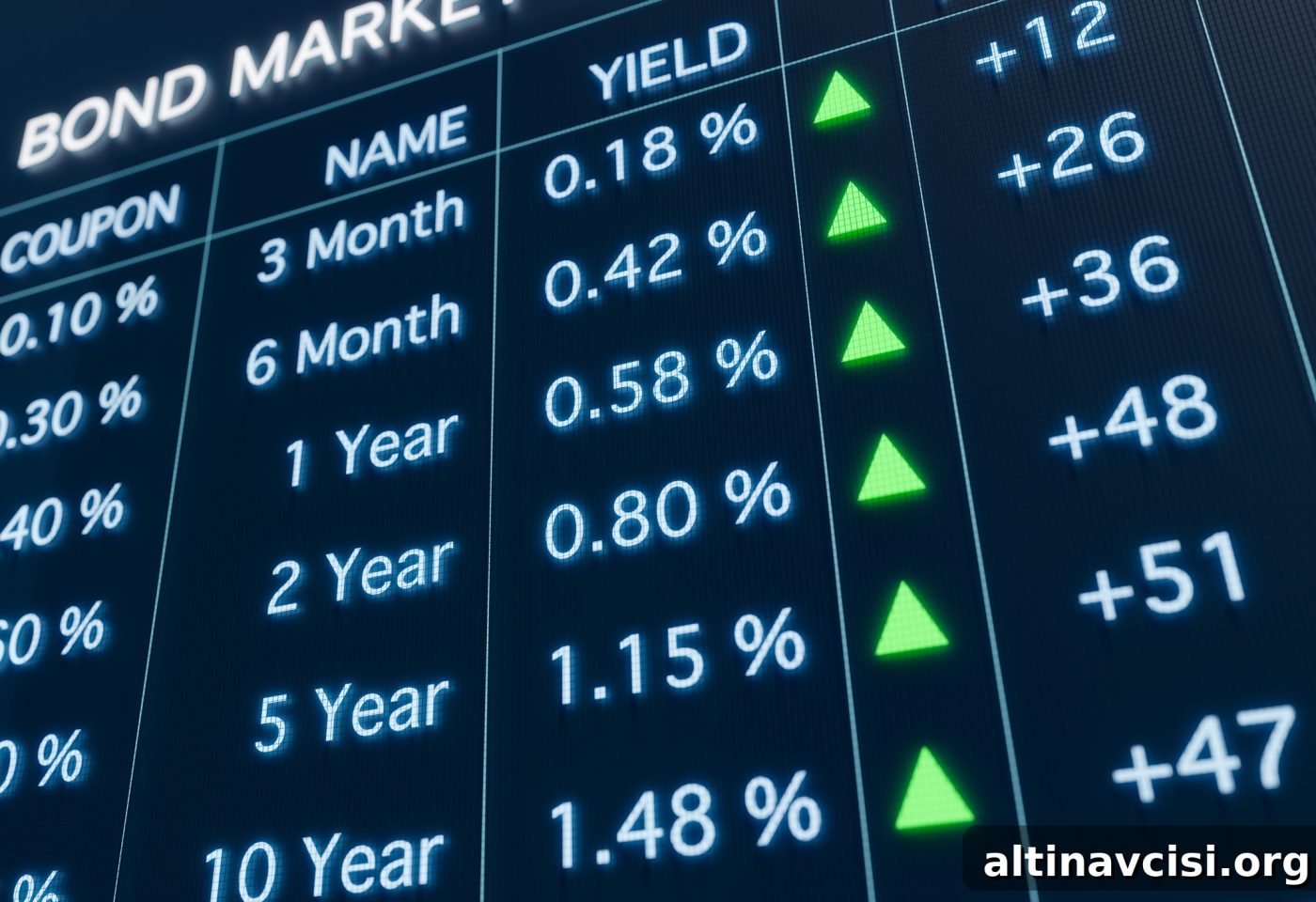
U.S. Treasury yields moved slightly higher following a surprise uptick in core inflation for May. The benchmark 10-year Treasury yield held relatively steady at 4.253%, while the 2-year yield rose by 2 basis points to 3.732%. These shifts reflect investors recalibrating expectations for future interest rates and monetary policy in light of the inflation data.
Core Inflation Exceeds Forecasts
Core inflation, which excludes the more volatile food and energy components, came in at 2.7% for May. That figure was higher than the 2.6% consensus economists had forecast and showed an increase from April’s 2.5%. Because core inflation is closely watched by the Federal Reserve and market participants as an indicator of underlying price pressures, even small deviations from expectations can influence bond yields and short-term rate forecasts.
Why Bond Yields React
Bond yields are sensitive to inflation readings because inflation erodes the real return on fixed-income investments. When inflation is stronger than expected, investors may demand higher yields to compensate for the loss of purchasing power. The 10-year Treasury yield tends to reflect a mix of economic growth prospects and long-term inflation expectations, while the 2-year yield is more directly tied to market expectations for near-term Federal Reserve policy.
Implications for Federal Reserve Policy and Markets
Stronger-than-expected core inflation can complicate the Fed’s policy calculus. If inflation persists above the central bank’s expectations, the Fed may face pressure to maintain or even raise interest rates for longer than markets currently anticipate. Conversely, a reacceleration in inflation can also feed uncertainty into growth and financial conditions, prompting more cautious reactions by investors.
Political Tensions and Leadership Uncertainty
The inflation surprise occurs amid escalating tensions between President Trump and Federal Reserve Chair Jerome Powell. President Trump has publicly criticized the Fed’s cautious approach to interest-rate decisions, particularly given the uncertainty around tariffs and their potential impact on prices and economic growth. According to reports, Trump has indicated he has a shortlist of potential replacements and may name Powell’s successor as early as September, which would be well before Powell’s term is set to expire in 2026.
Leadership changes at the Federal Reserve can have meaningful market implications because they shape expectations about the direction and tone of monetary policy. Market participants will be watching any developments closely, since a change in leadership could alter the Fed’s priorities or its approach to responding to inflation and growth dynamics.
What Investors and Consumers Should Watch Next
Going forward, investors and consumers should pay attention to upcoming inflation reports, Federal Reserve communications, and any formal announcements regarding Fed leadership. Short-term bond yields will continue to be sensitive to incoming data on prices, labor markets, and economic growth. For borrowers and homeowners, movements in Treasury yields can eventually translate into changes in mortgage rates and borrowing costs, while for savers and fixed-income investors, higher yields may offer better nominal returns but with greater volatility.
In summary, the slightly higher Treasury yields reflect a prompt market response to a modest upside surprise in core inflation. The development underscores how even incremental changes in inflation readings, coupled with political uncertainty over Fed leadership, can ripple through financial markets and influence expectations for interest rates and economic policy.
Popular Topics
Picked from the archive
-
01
 Topics
China May Cut Tariffs on Key US Medical and Industrial Imports
-
02
Topics
Weaponizing Supply Chains: Rare Earths to Semiconductors
-
03
Topics
76% of Central Banks to Increase Gold Reserves, WGC Survey Finds
-
04
Topics
Trump Demands Powell’s Removal as Fed Chair Warns on Tariffs
-
05
Topics
Gold Rises to No. 2 Global Reserve amid Sanctions Concerns
-
06
Topics
Daly Urges Fed to Temper Forecasts and Balance Dual Mandate
-
07
Topics
Strong Jobs Report Drives 10-Year Treasury Yield Above 4.34%
-
08
Topics
Report: Republican Tax Bill Masks Over 1 Trillion in Future Debt