Gold Drops to One-Month Low as Geopolitical Risks Ease
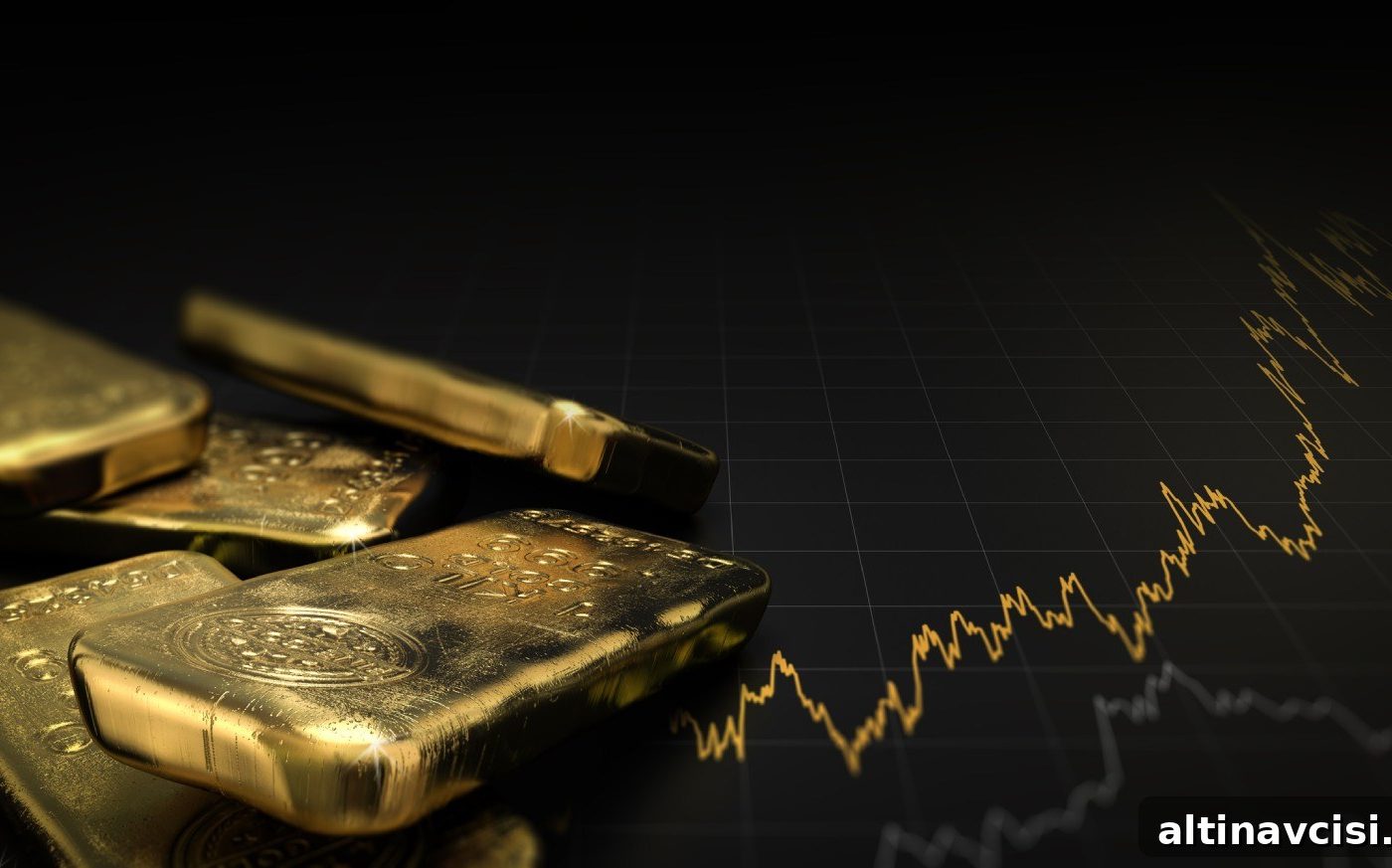
Gold Drops to Nearly One-Month Low Amid Easing Geopolitical Tensions
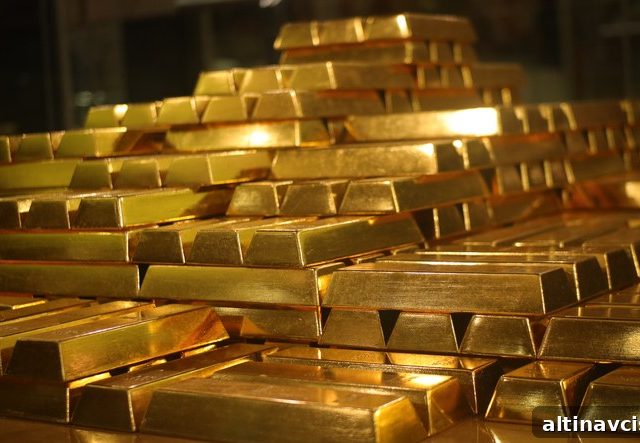
Gold prices fell more than 1% on Friday, sliding to $3,282.68 per ounce and marking the metal’s lowest level in nearly a month. The pullback reflects a shift in investor sentiment after recent developments that reduced some of the immediate safe-haven demand for bullion.
Drivers of the Decline
Market participants attributed much of the decline to easing global tensions. Reports of an Iran-Israel ceasefire helped calm geopolitical risk, while progress reported in U.S.-China trade discussions further reduced uncertainty. When geopolitical risks recede and trade outlooks look less precarious, demand for traditionally defensive assets such as gold can fall.
Weekly and Year-to-Date Context
This latest slide leaves gold down more than 2% for the week and more than $200 below its April record high. That earlier peak had prompted broad attention from investors who were weighing the metal’s role as an inflation hedge and portfolio diversifier. The recent retreat is a reminder of how quickly market sentiment can shift when perceived risks ease.
Inflation, Interest Rates and What Investors Are Watching
With prices off from recent highs, investors are now turning their focus to incoming U.S. inflation data. Inflation readings tend to influence expectations for central bank policy and interest rate decisions. Because higher interest rates increase the opportunity cost of holding non-yielding assets like gold, stronger-than-expected inflation or signals about future rate moves can materially change demand dynamics. Conversely, weaker inflation can bolster safe-haven buying if it sparks expectations of easier policy.
Other Precious Metals
Other precious metals also moved lower. Platinum, which had recently reached its highest level since 2014, fell nearly 6% during the same session. The sharp pullback in platinum demonstrates that, like gold, other metals can be sensitive to shifts in risk appetite and speculative positioning following a period of strong gains.
What This Means for Investors
The combination of geopolitical easing and improving trade prospects can prompt short-term rotations out of safe-haven assets and into riskier equity or commodity exposures. Traders and longer-term investors alike are likely to monitor upcoming economic releases closely—particularly U.S. inflation data—for clues on the direction of interest rates and the likely path of precious metal prices.
In the near term, market participants may see increased volatility as they digest macroeconomic reports and any further geopolitical developments. For those considering exposure to gold and other precious metals, this environment underscores the importance of staying informed about both economic indicators and geopolitical events that can rapidly alter market sentiment.
Summary
Friday’s drop to $3,282.68 per ounce marked a notable pullback for gold, driven by easing Iran-Israel tensions and positive signals in U.S.-China trade talks. Gold finished the week down more than 2% and more than $200 off its April record high, while platinum gave back recent gains and fell nearly 6%. Investors will be watching U.S. inflation data closely for further guidance on interest rate expectations and the outlook for precious metals.
Popular Topics
Picked from the archive
-
01
 Topics
Gold Price Tops $3,350 on Tariff Fears, Ukraine Tensions
-
02
Topics
Gold Gains as Dollar Slips Despite US China Tariff Truce
-
03
Topics
Kevin O’Leary Rejects Wall Street’s 2025 Recession Forecast
-
04
Topics
Dollar Surges After Strong Jobs Report, Fed Rate Cut Delayed
-
05
Topics
Analysts Still Bullish on Gold After Recent Pullback
-
06
Topics
Treasury Yields Slip Ahead of U.S.-China Summit in London
-
07
Topics
Gold Rises as Investors Await Inflation Data and Trade Talks
-
08
Topics
Why HSBC Says Market Bears Are Wrong About Stocks