Bullion vs Numismatic Coins: Which Is Right for Your Portfolio?
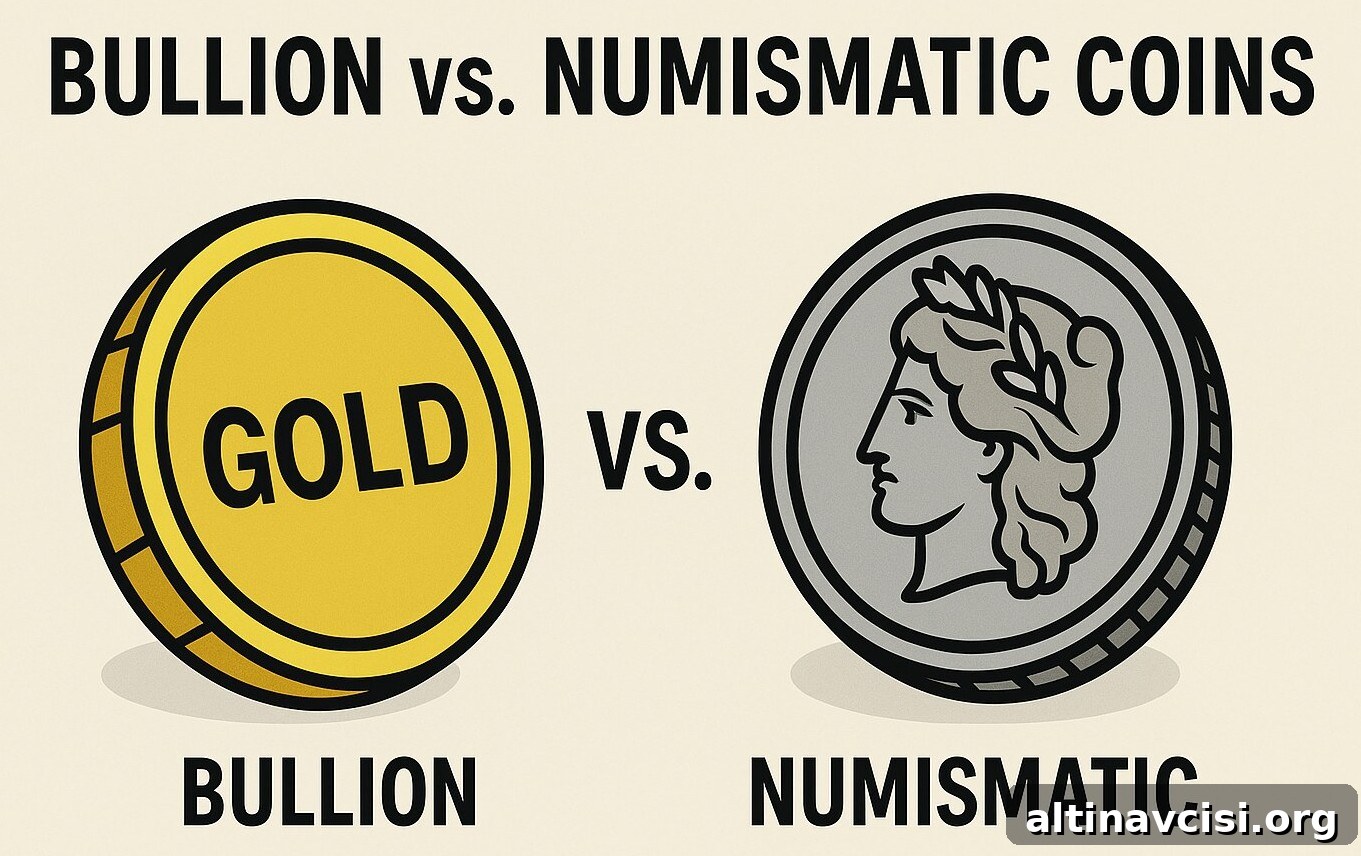
The world of precious metal investing presents two common choices that often confuse beginners: straightforward bullion or collectible numismatic coins. Understanding the differences between bullion vs numismatic coins is essential to choosing the right approach for your financial goals.
Below is a clear, practical guide to help you decide which path fits your investment strategy, whether you prioritize liquidity, predictability, or the potential for collectible value.
What Are Bullion Coins?
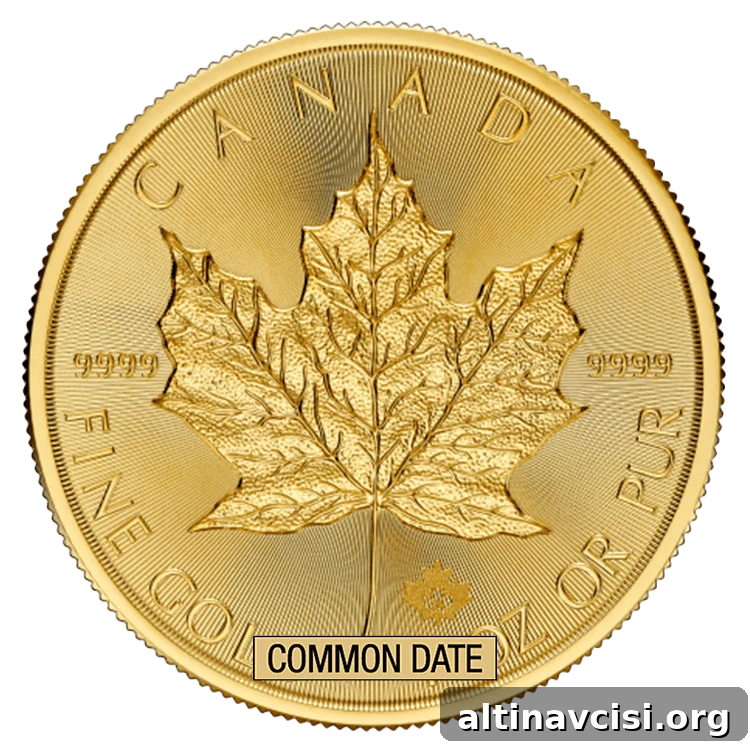
Bullion coins are pieces of precious metal—usually gold or silver—whose price is determined primarily by their metal weight and purity. Examples commonly recognized worldwide include the American Gold Eagle, the Canadian Maple Leaf, and the South African Krugerrand. These coins are produced in large quantities by government mints or well-known private refineries, which helps keep premiums over spot price relatively low and ensures they trade easily in international markets.
Why investors often choose bullion coins:
- Transparent pricing closely tied to the live spot price for gold and silver, making valuation straightforward.
- Wide availability in a range of sizes from common 1 oz coins to fractional sizes (1/2, 1/4, 1/10 oz), offering flexibility for different budgets.
- Strong liquidity across global dealers and exchanges, which makes buying and selling faster and typically more predictable during market moves.
Industry observers often note that bullion coins provide a simple and direct way to own physical metal without added collectible premiums or complex grading issues.
Explore a curated collection of high-purity bullion coins and bars to build a core holding.

Invest Now
Invest Now

Invest Now

Invest Now
What About Numismatic Coins?
Numismatic coins are collectible pieces that derive value from rarity, historical significance, condition, and demand among collectors rather than strictly from metal content. While they can appreciate substantially when collector interest is strong, numismatic coins are fundamentally different from bullion and are usually not the best instrument for investors seeking a straightforward hedge against inflation or market risk.
Key considerations when evaluating numismatic coins:
- Premium volatility: Collector interest, auction results, and market trends can cause premiums to swing widely. Those premiums are not tied to spot metal prices and can change independently.
- Lower liquidity: Selling rare coins often means finding specialized buyers, dealers, or timed auctions, which can lengthen the sales process and reduce price transparency.
- Specialized expertise: Correctly valuing numismatic coins requires knowledge of grading, provenance, and subtle condition details. Professional grading and authentication add expense, and errors in assessment can reduce returns.
Because of these factors, many investors prefer bullion as the core holding for clarity, portability, and consistent market pricing.
Investing in Physical Metals Made Easy
Why We Recommend Bullion vs Numismatic Coins
For most investors, bullion coins deliver the attributes that matter for protecting and growing wealth: predictable valuation, low premiums, and broad market access. Below are the main reasons bullion often makes more sense as a foundation holding in a portfolio.
- Direct value exposure: Bullion coins track the spot price of the metal, so your holdings reflect the underlying market for gold and silver without added collector markups.
- Lower premiums: Typical markups on bullion are modest compared with the high premiums often attached to numismatic pieces. Lower transaction costs improve long-term performance.
- Global liquidity: Well-known bullion issues trade actively around the world, giving you options to sell at transparent prices when needed.
Put simply, bullion minimizes complexity and offers a reliable, time-tested way to hold tangible metal as part of a diversified plan.
Wait! Don’t Forget Your Free Book
Mike Maloney’s best-selling guide on precious metals investing—essential reading for new investors.
Building Your Bullion Strategy
Whether you are starting from scratch or adding to an existing position, bullion coins should typically form the core of a precious metals allocation. Here is a straightforward, practical approach:
- Begin with full ounces: Acquire well-known 1 oz coins (American Eagles, Maple Leafs, etc.) to maximize liquidity and simplify valuation.
- Add fractional sizes: Include 1/2, 1/4, and 1/10 oz pieces to provide flexibility when converting smaller amounts to cash or gifting.
- Monitor the market: Bullion prices follow spot rates—watch market trends to buy on dips and avoid unnecessary premiums when possible.
This balanced approach helps you maintain liquidity, manage cost basis, and respond to changing market conditions without needing specialist numismatic knowledge.
The Bullion vs Numismatics Verdict
For most investors who want security, transparency, and ease of trading, bullion coins are the superior choice. They eliminate many of the complexities and risks of numismatic investing—no obscure grading debates, no steep collector premiums to navigate, and a straightforward link to market value.
If your goal is a clear hedge and a store of physical wealth you can easily buy or sell, prioritize bullion as the foundation of your precious metals holdings.
Get Gold & Silver Insights Direct to Your Inbox
Join thousands of investors who receive expert analysis, market updates, and curated ideas each week.
- ⏰ Timely alerts on major price moves and key market events
- 📢 Regular market commentary and strategy ideas
- 💡 Practical tips for building a resilient portfolio with precious metals

This article is provided for informational purposes only and does not constitute investment advice. Always research thoroughly or consult a qualified financial professional before making investment decisions.
Popular Topics
Picked from the archive
-
01
 Topics
Gold Price Tops $3,350 on Tariff Fears, Ukraine Tensions
-
02
Topics
Gold Gains as Dollar Slips Despite US China Tariff Truce
-
03
Topics
Kevin O’Leary Rejects Wall Street’s 2025 Recession Forecast
-
04
Topics
Dollar Surges After Strong Jobs Report, Fed Rate Cut Delayed
-
05
Topics
Analysts Still Bullish on Gold After Recent Pullback
-
06
Topics
Treasury Yields Slip Ahead of U.S.-China Summit in London
-
07
Topics
Gold Rises as Investors Await Inflation Data and Trade Talks
-
08
Topics
Why HSBC Says Market Bears Are Wrong About Stocks