Gold Rises Amid Fed Uncertainty; Palladium and Platinum Surge

Gold Advances as U.S. Dollar Weakens and Fed Policy Uncertainty Looms
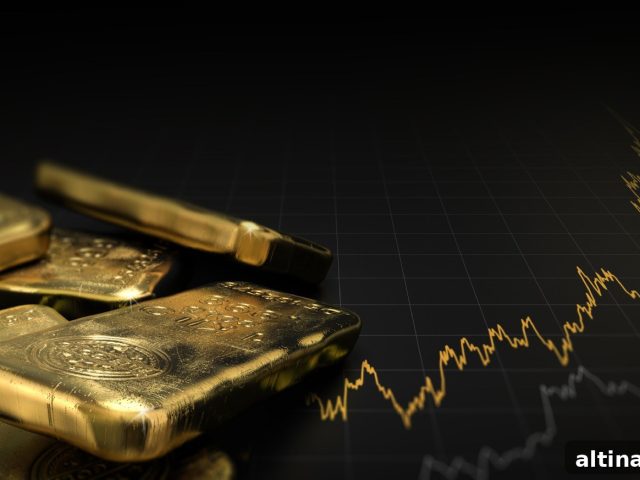
Gold prices climbed on Thursday, helped by a softer U.S. dollar and renewed market uncertainty over the Federal Reserve’s policy direction. Spot gold traded higher at $3,339.38 per ounce, while U.S. gold futures rose to $3,352.30. The modest gains reflected investor sensitivity to currency moves and monetary policy signals amid an already fragile risk backdrop.
A weaker dollar typically makes dollar-priced commodities like gold more affordable for buyers using other currencies, supporting demand from international investors and central banks. That dynamic contributed to the uptick in gold even as traders awaited clearer guidance from policymakers. At the same time, public comments from political leaders criticizing central bank officials added to concerns about the Fed’s independence, increasing market attention on future policy steps.
Federal Reserve Chair Jerome Powell has warned that certain fiscal actions, such as tariff measures, could fuel persistent inflationary pressures. Those remarks have led markets to weigh the likelihood and timing of rate reductions more cautiously. Investors are parsing Powell’s signals alongside incoming economic data to determine whether inflation is easing enough to justify rate cuts or whether tighter policy might remain necessary for longer.
Analysts broadly expect gold to remain range-bound until there is more clarity on monetary policy. Many market participants have identified a trading corridor roughly between $3,000 and $3,500 per ounce, with movements within that range driven by shifts in dollar strength, inflation readings, and risk sentiment. A pronounced cooling in inflation indicators could push gold toward the higher end of that band, while signs of persistent price pressures or a stronger dollar could cap gains.
Traders are closely watching a slate of economic releases that could influence gold’s near-term path. Key reports include gross domestic product (GDP) data and the Personal Consumption Expenditures (PCE) inflation figures, which the Fed monitors closely when assessing the inflation outlook. If these data show inflation moderating, market expectations for rate cuts could firm up, lifting gold as real yields fall. Conversely, hotter-than-expected readings could reduce immediate gold demand by bolstering expectations for higher interest rates.
Beyond gold, other precious metals posted notable gains. Palladium jumped 3.5% to reach its highest level since late 2024, reflecting tightness in supply-demand fundamentals and ongoing industrial demand. Platinum surged 3.4% to a level last seen in 2014, supported by expectations of continued demand from traditional internal combustion engine vehicles as some governments and automakers delay or temper the pace of transition to electric vehicles. These moves highlight that, while each metal has its own market drivers, sentiment toward precious metals in general has been buoyant amid geopolitical and macroeconomic uncertainties.
Market participants will continue to monitor central bank commentary, inflation metrics, and currency trends to gauge where precious metals might head next. For now, the interplay of a softer dollar, Fed messaging, and incoming economic data keeps gold in focus as a hedge against uncertainty and a store of value for investors weighing interest rate risks and inflation outcomes.
Popular Topics
Picked from the archive
-
01
 Topics
Why Investors Are Driving Stocks and Gold Up in 2025
-
02
Topics
Dollar Strengthens, Gold Falls After Japan Debt Policy
-
03
Topics
Gold Price Tops 3,300 USD After Court Blocks Trump Tariffs
-
04
Topics
Fed Meeting: Are Two 2025 Rate Cuts Still on the Table?
-
05
Topics
Gold Drops as Israel-Iran Tensions Escalate
-
06
Topics
Silver Price Surges 10% in June; July Outlook Positive
-
07
Topics
Gold Price Outlook After 30% Surge: Is a Pullback Coming?
-
08
Topics
China’s 2027 Plan: 10% Rise in Gold Resources and AI Mining