Oil Prices Fall: Brent and WTI Drop as Middle East Tensions Ease
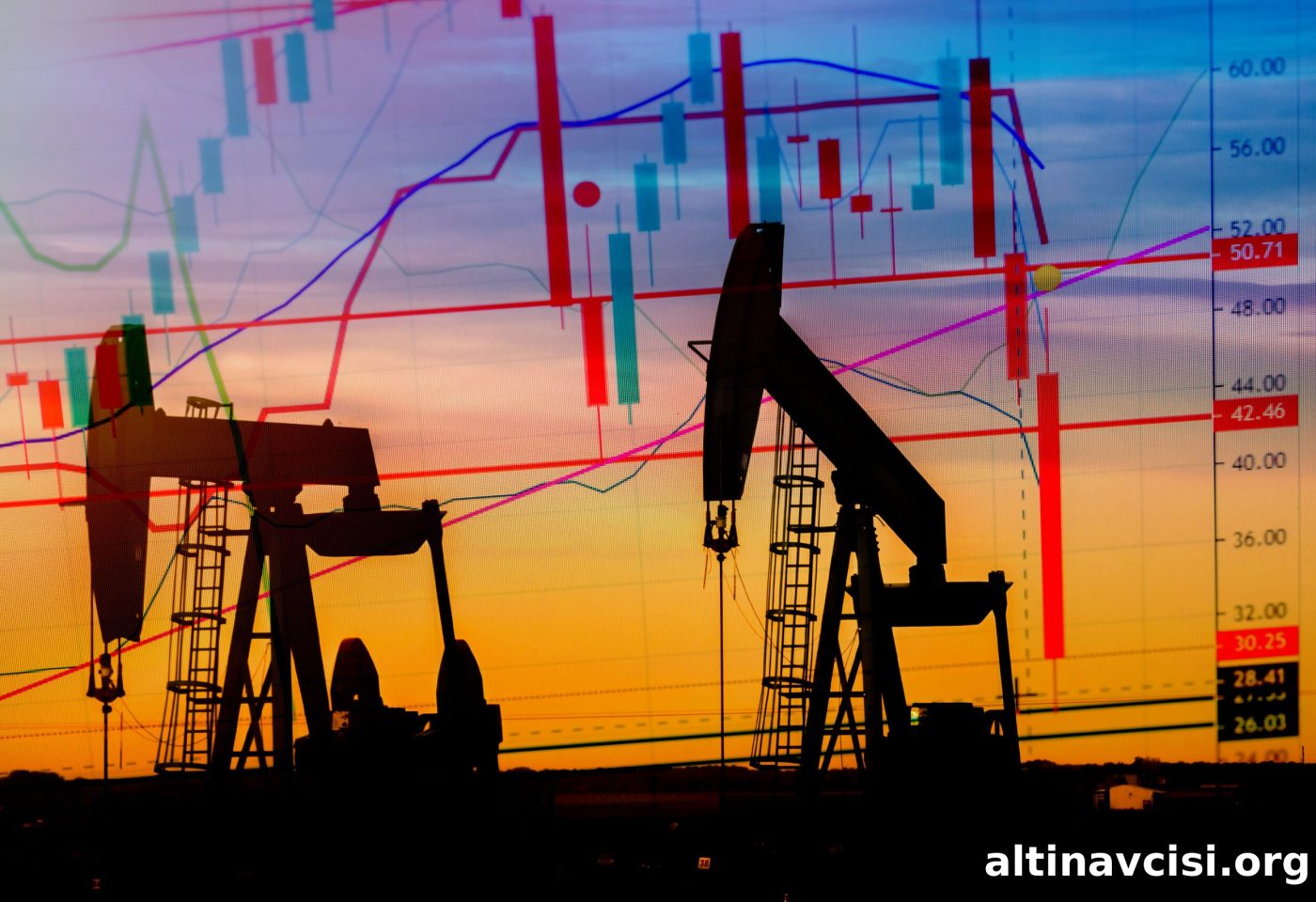
Oil Futures Slide as Iran-Israel Tensions Ease
Oil futures retreated sharply on Tuesday, with both Brent and U.S. crude falling by about 3% as signs emerged that tensions between Iran and Israel were easing. The drop in prices followed a high-profile warning to Israel and the announcement of a ceasefire, though market participants remain wary because questions persist over the ceasefire’s implementation and durability.
Market Reaction and Price Movement
The pullback erased part of the recent rally that had pushed oil prices higher since hostilities intensified. Oil had risen roughly 10% since mid-June amid concerns about potential supply disruptions tied to the conflict and the strategic importance of nearby shipping routes. Traders reacted quickly to the de-escalation signals, trimming positions that had been built up on the expectation of prolonged disruptions.
Supply Concerns and Regional Risks
Much of the earlier price pressure was driven by fears that any escalation could affect Iran’s oil output and the transit of crude through the Strait of Hormuz. Iran produces about 3.3 million barrels per day, and any significant interference with its exports or with the passage of tankers through the Strait of Hormuz—a narrow chokepoint through which a large share of global seaborne oil flows—would naturally raise concerns about near-term supply tightness.
Analysts note that while a full closure of the Strait of Hormuz is considered unlikely, the mere risk of disruption is enough to push prices higher. In scenarios where major disruptions occur, oil prices could move substantially upward, reflecting the market’s sensitivity to geopolitical shocks in key producing regions.
Emergency Stockpiles and Policymaker Tools
To address potential supply shocks, international and national institutions maintain emergency stockpiles. The International Energy Agency (IEA) has around 1.2 billion barrels in emergency reserves that can be deployed if needed, providing a buffer against short-term shortages. The presence of these stockpiles influences market expectations and can help to temper the most extreme price moves, though release decisions depend on coordinated policy actions and perceived severity of any disruption.
Investor Sentiment and Near-Term Outlook
Investor sentiment shifted quickly as diplomatic signals changed. Hedge funds, oil traders, and energy-sector investors who had positioned for a prolonged risk premium began to take profits and reduce exposures following the ceasefire announcement and related diplomatic interventions. However, the market remains cautious: traders and analysts emphasize that ceasefire announcements do not guarantee immediate or sustained stability on the ground, and the potential for renewed tensions keeps a risk premium alive in prices.
In the near term, oil markets will likely remain sensitive to any new developments in the region, such as statements from political leaders, military movements, or logistical disruptions to shipping. Economic indicators, refinery demand, and broader global growth expectations will also influence price direction alongside geopolitical risk.
Key Takeaways
- Brent and U.S. crude fell about 3% as tensions between Iran and Israel appeared to ease.
- Prices had climbed roughly 10% since mid-June amid fears of supply disruptions and the risk to the Strait of Hormuz.
- Iran’s oil production, about 3.3 million barrels per day, and the vulnerability of the Strait of Hormuz are central to market concerns.
- The IEA holds approximately 1.2 billion barrels in emergency stockpiles that can be tapped if needed.
- Despite the ceasefire announcement and diplomatic warnings, markets remain cautious because implementation and durability of the ceasefire are still in question.
Overall, the price retreat reflects a recalibration by markets in response to reduced immediate risk, but the oil market’s sensitivity to geopolitical developments means volatility could return quickly if conditions on the ground change. Traders, policymakers, and energy market observers will continue to monitor developments closely for signs of either stabilization or renewed disruption.
Popular Topics
Picked from the archive
-
01
 Topics
Smart Money Targets Silver After 5-Year Supply Shortage
-
02
Topics
Federal Reserve Warns: Credit Card Distress Hits 12-Year High
-
03
Topics
US Copper Price Surge Threatens Business Costs
-
04
Topics
Markets Rally After US and China Agree on 90 Day Tariff Cut
-
05
Topics
Gold and Silver: How Precious Metals Stabilized World Economies
-
06
Topics
RBA Warns Inflation Risks Remain Despite Current Calm
-
07
Topics
Gold Soars to $3,385 Amid Israel-Iran Tensions, Trump Tariffs
-
08
Topics
Gold Price Falls 1.4% After Easing Middle East Tensions