76% of Central Banks to Increase Gold Reserves, WGC Survey Finds
Central Banks Shift Reserves Toward Gold: Key Findings from a World Gold Council Survey
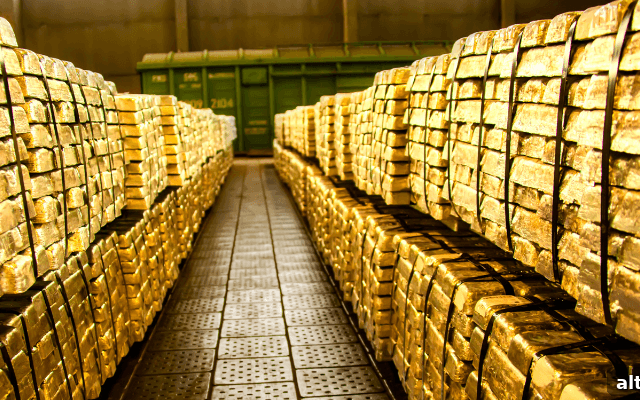
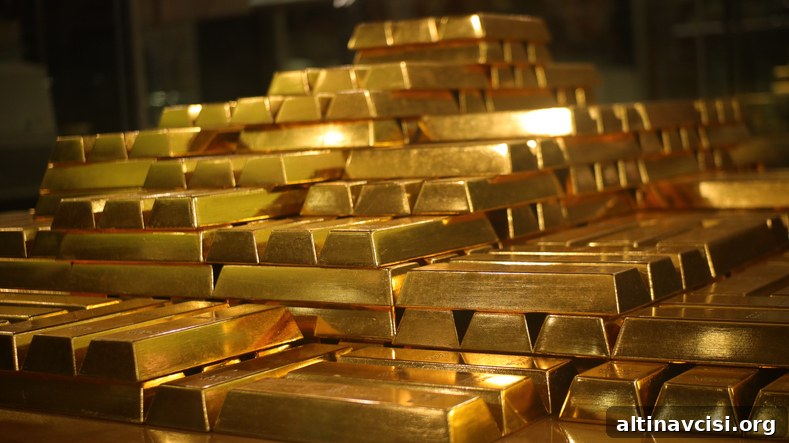
A recent World Gold Council survey of 73 central banks signals a significant realignment in global reserve strategies. The survey finds that 76% of the central banks polled plan to increase their gold holdings over the next five years, while nearly three-quarters expect to reduce their dollar-denominated reserves. These intentions highlight a growing preference for gold as a strategic asset amid rising geopolitical and economic uncertainty.
What the Numbers Say
The survey’s results are consistent with central bank behavior observed over the last several years. Central banks have been net buyers of gold at a robust pace, purchasing more than 1,000 metric tons annually for each of the past three years. That rate of buying is roughly double the average pace seen during the previous decade. This sustained demand has taken place even as gold prices reached record highs above $3,500 per ounce, demonstrating that institutions are willing to acquire bullion despite elevated valuations.
Why Central Banks Are Increasing Gold Holdings
Central banks commonly cite several interrelated reasons for raising gold allocations. First, gold is widely regarded as a crisis hedge. In periods of heightened geopolitical tension or financial stress, gold tends to preserve purchasing power more effectively than many fiat currencies. Second, gold serves as a portfolio diversifier. Holding a non-sovereign, tangible asset can reduce concentration risk tied to any single currency or financial system. Third, concerns about currency volatility and the structure of the global monetary system are prompting some institutions to reassess the proportion of reserves held in the U.S. dollar.
Importantly, these motivations are not mutually exclusive. Central banks often pursue multiple objectives simultaneously: preserving wealth, ensuring liquidity in extreme conditions, and maintaining the credibility and stability of their own national balance sheets. The survey results suggest that many institutions are actively rebalancing reserves to reflect these priorities.
Implications for Reserve Management and Markets
The trend toward higher gold holdings carries several implications. For central banks, increasing gold allocations can reduce reliance on any single foreign currency, potentially lowering exposure to exchange-rate and sanction-related risks. For global markets, persistent central bank buying supports demand for physical gold and can contribute to price resilience, even in the face of already-elevated valuations.
For policy observers and investors, the shift also signals a broader reassessment of reserve composition. As nearly three-quarters of surveyed central banks look to pare back dollar reserves, institutions and market participants may expect gradual changes in reserve currency dynamics. The pace and scale of that change will depend on geopolitical developments, macroeconomic conditions, and individual central banks’ objectives.
Context and Caution
While the survey reflects clear intentions, intentions do not always translate into immediate or uniform action. Central banks differ in mandate, legal constraints, liquidity needs, and domestic considerations. Some will increase gold allocations more quickly than others, and the form of that increase—physical bullion, ETFs, or other instruments—may vary. Moreover, financial markets and global policy decisions can shift priorities over time.
Conclusion
The World Gold Council survey of 73 central banks reveals a noticeable reorientation of reserve policy: a strong majority planning to raise gold holdings while a large portion anticipates lowering dollar reserves. This pattern underscores gold’s enduring role as a crisis hedge and portfolio diversifier in an uncertain world. Central banks’ consistent purchases—over 1,000 metric tons per year for the past three years, roughly double the prior decade’s average—demonstrate a concrete commitment to this strategy, even as gold trades at historically high levels above $3,500 per ounce. Observers and market participants should watch how these intentions translate into concrete reserve actions and broader effects on currency composition and financial markets.
Popular Topics
Picked from the archive
-
01
 Topics
McDonald’s Traffic Plummets as Core Customers Cut Back
-
02
Topics
Regional Banks Face Unrealized Losses and Looming Recession
-
03
Topics
Swiss Gold Imports from US Surge to 12-Year High
-
04
Topics
Gold Hits Two-Week High as Trade Tensions Flare
-
05
Topics
Corporate Outlook Hits Post-Crisis Lows as Trade War Escalates
-
06
Topics
Interactive Brokers’ Sosnick: Why Gold Is America’s Anti-Dollar
-
07
Topics
Treasury Market Steady as GDP Falls and Jobless Claims Rise
-
08
Topics
China Cuts Rare-Earth Magnet Exports; Supply Falls 74%