Gold Surges as Iran Israel Tensions Drive Safe-Haven Demand
Gold Prices Rise as Middle East Tensions Drive Safe-Haven Demand
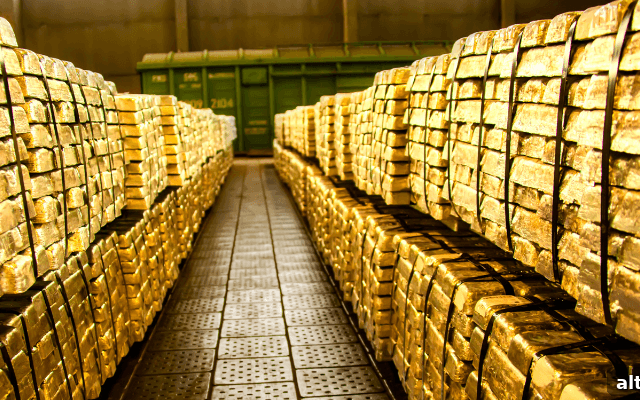
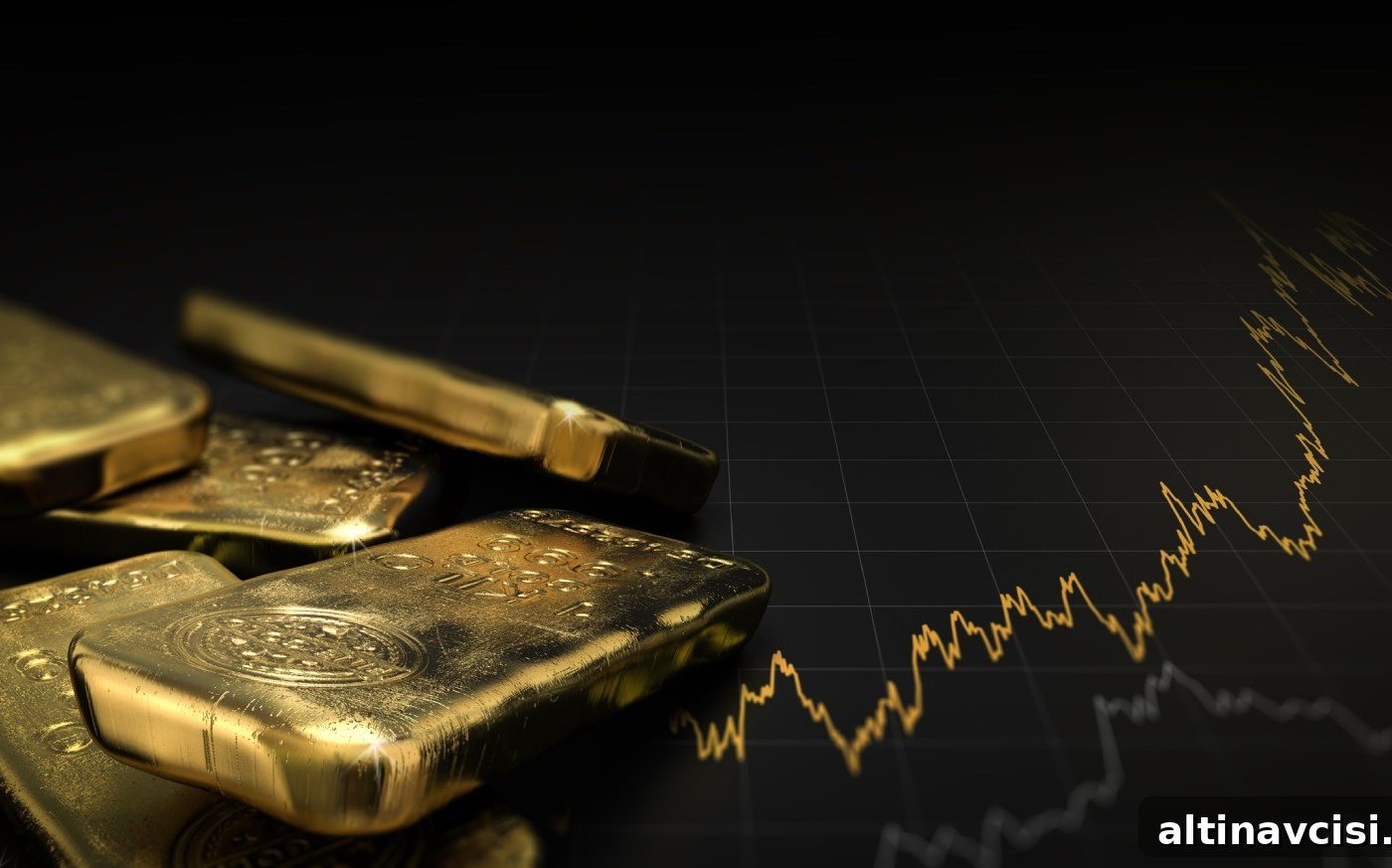
Gold prices ticked higher on Tuesday as renewed tensions between Israel and Iran pushed investors back toward traditional safe-haven assets. Spot gold rose 0.1% to $3,386.29 per ounce, reflecting a cautious market response to escalating geopolitical risks that traders say could weigh on global growth and financial stability.
Geopolitical Risks Push Investors Toward Gold
Heightened hostilities in the Middle East have historically prompted flows into gold, and this episode is no exception. Market participants view the metal as a store of value and a hedge against uncertainty, particularly when geopolitical events threaten to disrupt trade, energy supplies or broad market confidence. Statements from regional leaders, including a warning from Jordan’s King Abdullah about the wider implications of the conflict, reinforced the perception of elevated risk, helping to support bullion prices during the session.
Federal Reserve Meeting and Interest Rate Expectations
At the same time, investors are closely monitoring the Federal Reserve’s policy meeting on Wednesday. Expectations that the Fed could pivot toward easing later in the year—through potential rate cuts—are a key factor for gold. Lower interest rates reduce the opportunity cost of holding non-yielding assets like gold, and softer rate expectations often correlate with a weaker U.S. dollar and lower real yields, both of which typically benefit precious metals.
How Monetary Policy and Market Sentiment Interact
Gold’s price dynamics result from the interplay between safe-haven demand, inflation expectations and real interest rates. When central banks signal a more accommodative stance, nominal yields and real yields may fall, making gold more attractive. Conversely, if policymakers emphasize combating inflation with higher-for-longer rates, gold can face pressure as bond yields rise and the dollar strengthens. This tug-of-war between geopolitical risk and monetary policy guidance is a primary reason why gold often experiences periods of volatility around major central bank meetings.
Analyst Forecasts and the Longer-Term Outlook
Even as prices in the near term were buoyed by geopolitical uncertainty and Fed-watchers’ expectations, some analysts remain cautious about the metal’s longer-term trajectory. Citi has revised down its gold price forecasts and now projects that gold could dip below $3,000 per ounce by late 2025. That forecast reflects the bank’s view on how macroeconomic conditions, interest rate paths and investor allocations might evolve over the coming quarters. Market forecasts vary widely across institutions, and investors should consider a range of scenarios when assessing future price paths.
What Investors Should Watch Next
Key variables to monitor include developments in the Middle East, official comments from central bank officials—especially those from the Federal Reserve—and incoming economic data that could influence interest rate expectations. Traders will also watch currency movements, particularly the U.S. dollar, and trends in real yields, as these can quickly alter gold’s risk-reward profile. Finally, shifts in institutional flows into and out of gold-backed exchange-traded funds and other investment vehicles can provide insight into broader market sentiment.
Conclusion
Gold’s modest gain to $3,386.29 per ounce reflects a combination of geopolitical concerns and evolving expectations about monetary policy. While safe-haven demand has supported prices in the short term, analysts’ mixed forecasts underscore that gold’s path will depend on how geopolitical tensions unfold and how central banks respond to changing economic conditions. Investors weighing exposure to gold should stay attentive to both geopolitical developments and shifts in interest rate expectations that could materially influence the market.
Popular Topics
Picked from the archive
-
01
 Topics
McDonald’s Traffic Plummets as Core Customers Cut Back
-
02
Topics
Regional Banks Face Unrealized Losses and Looming Recession
-
03
Topics
Swiss Gold Imports from US Surge to 12-Year High
-
04
Topics
Gold Hits Two-Week High as Trade Tensions Flare
-
05
Topics
Corporate Outlook Hits Post-Crisis Lows as Trade War Escalates
-
06
Topics
Interactive Brokers’ Sosnick: Why Gold Is America’s Anti-Dollar
-
07
Topics
Treasury Market Steady as GDP Falls and Jobless Claims Rise
-
08
Topics
China Cuts Rare-Earth Magnet Exports; Supply Falls 74%