Asia Drives 70% of Global Gold Demand, Reshaping Markets

Asia: The New Center of Global Gold Demand
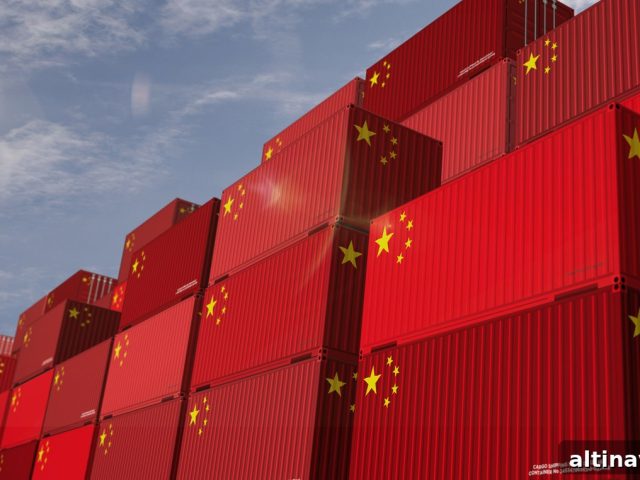
Asia now dominates global consumer gold demand, accounting for roughly 70% of annual consumption. This regional leadership is driven primarily by China and India, which together represent more than half of worldwide gold demand. As cultural affinity for gold continues to be strong across the continent, the ways in which gold is bought, held and invested are evolving rapidly.
Traditional uses of gold—jewellery, ritual and savings—remain central in many Asian societies. At the same time, modern financial habits and new market infrastructure are reshaping demand. Digital platforms, institutional investment products and innovative channels have lowered barriers to entry, expanded investor choice and enabled a broader segment of the population to participate in the gold market.
Digital gold platforms and mobile trading apps have made it easier for consumers to buy small, fractional amounts of gold, to trade electronically and to hold allocated or unallocated gold through regulated custodians. Institutional products, including exchange-traded vehicles and professionally managed portfolios, offer alternative ways for investors and intermediaries to gain exposure to gold without taking physical possession. Together these developments are professionalizing the market and increasing liquidity.
At the same time, government-sponsored instruments are changing the landscape of gold ownership. India’s Sovereign Gold Bonds are a notable example: they provide a paper-based route to gold investment that pays interest and reduces the need for physical storage. In China, regulatory changes have enabled new forms of gold investment within the insurance sector, broadening the investor base and integrating gold into customers’ financial planning products.
Geopolitical and macroeconomic factors are also influencing the role of gold in Asia. Many countries across the region have increased their official gold reserves since 2022, viewing the metal as a strategic asset that can diversify national holdings and reduce reliance on any single currency amid rising global tensions. These moves by central banks underscore gold’s importance not only as a cultural store of value but also as a macroeconomic and strategic hedge.
The convergence of cultural affinity, technological innovation and strategic policy is reshaping global perceptions of gold. Asian consumers and institutions are not simply buying more gold; they are redefining how gold functions in portfolios, in savings plans and in national balance sheets. As a result, the region plays an outsize role in price discovery, supply chain demand and long-term market direction.
Supply-side dynamics are also adapting to meet Asia’s evolving demand. Refiners, vaulting services and logistics providers are expanding capabilities to support digital delivery models, secure custodial solutions and increased physical flows into regional hubs. Market participants are focused on transparency, secure storage and regulatory compliance to match the expectations of both retail and institutional customers.
For investors and policymakers, the Asian gold market offers several implications. First, innovations such as digital platforms and state-backed investment vehicles are likely to broaden participation and stabilize demand over time. Second, central bank accumulation emphasizes gold’s role in national diversification strategies and could affect global reserve compositions. Third, the modernization of markets and infrastructure in Asia will continue to influence global prices and trading patterns as demand centers shift.
In summary, Asia’s dominance in global gold consumption is not merely a reflection of tradition. It is the outcome of rapid modernization across trading, investment and policy channels. From retail digital purchases to sovereign instruments and central bank reserve accumulation, Asia is actively reshaping the global gold market—how gold is acquired, how it is stored, and how it is perceived as an economic and strategic asset.
Popular Topics
Picked from the archive
-
01
 Topics
China May Cut Tariffs on Key US Medical and Industrial Imports
-
02
Topics
Weaponizing Supply Chains: Rare Earths to Semiconductors
-
03
Topics
76% of Central Banks to Increase Gold Reserves, WGC Survey Finds
-
04
Topics
Trump Demands Powell’s Removal as Fed Chair Warns on Tariffs
-
05
Topics
Gold Rises to No. 2 Global Reserve amid Sanctions Concerns
-
06
Topics
Daly Urges Fed to Temper Forecasts and Balance Dual Mandate
-
07
Topics
Strong Jobs Report Drives 10-Year Treasury Yield Above 4.34%
-
08
Topics
Report: Republican Tax Bill Masks Over 1 Trillion in Future Debt