Gold Drops as Israel-Iran Tensions Escalate

Gold Prices Retreat After Early Gains Amid Israel-Iran Tensions
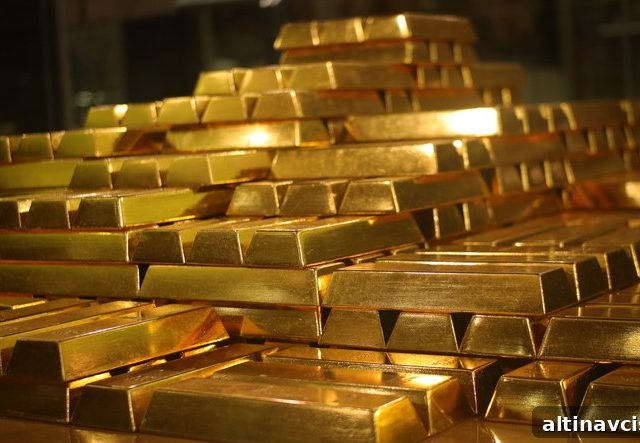
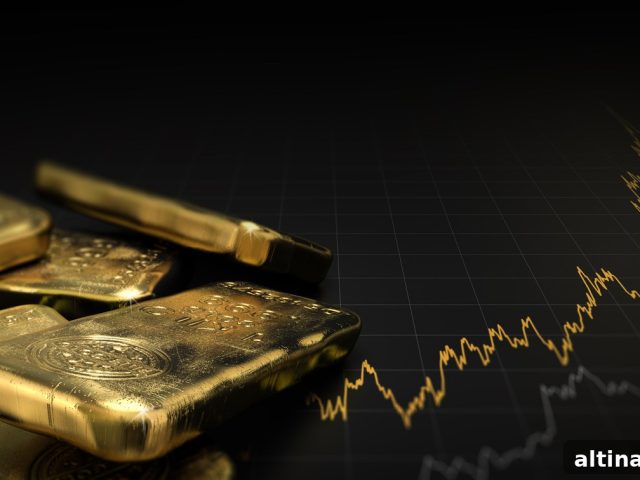
Gold gave back some of its earlier gains on Monday, settling near $3,415 per ounce—about $80 shy of the record high reached in April. The recent flare-up in the Israel-Iran conflict, now in its fourth day with continued missile and drone exchanges, initially pushed bullion higher as investors sought safe-haven assets. However, that jump was not enough to sustain momentum throughout the trading session.
Short-Term Drivers: Geopolitical Risk and Market Reaction
Last week, gold climbed roughly 3.7% as markets reacted to heightened geopolitical risk and growing worries about trade policy. Concerns around President Trump’s aggressive tariff agenda have added to investor unease, with apprehensions that escalating trade barriers could slow global economic growth and weigh on risk-sensitive assets. In times like these, gold often benefits from its status as a defensive asset, attracting inflows from traders and longer-term investors seeking to hedge against volatility and potential downside in equities and credit markets.
Broader Trends Supporting Gold’s Rally in 2025
The metal’s strong performance this year—a rise of around 30% in 2025—reflects several structural and cyclical factors beyond episodic geopolitical spikes. One significant driver has been central banks’ continued interest in diversifying reserves away from the U.S. dollar. As some national authorities shift allocations toward gold, demand on the official sector can bolster prices and create a more supportive backdrop for the market.
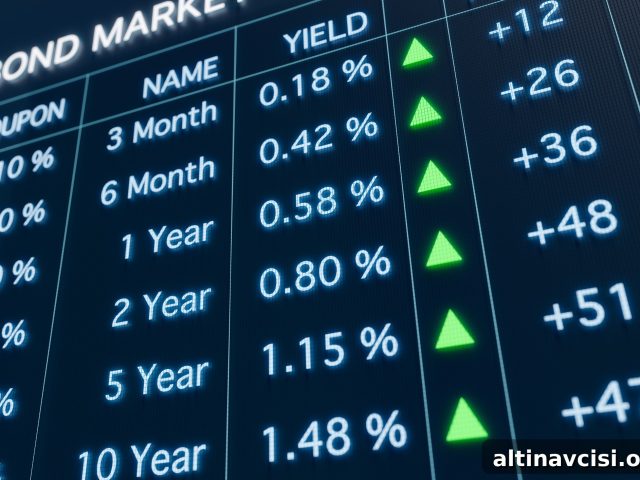
Another important trend is investor repositioning away from U.S. government bonds and into gold. With yields and real returns on some fixed-income instruments under pressure, some managers and institutional investors have reallocated capital toward assets perceived as more reliable stores of value. Gold, which does not carry issuer risk and is widely traded, can serve that role in a portfolio rebalancing or in hedging strategies.
Currency Dynamics and Market Positioning
Currency movements have also played a central role. A Bank of America survey cited that shorting the U.S. dollar is currently the most crowded trade among fund managers. When many investors bet against the dollar, that tends to weaken the currency, making dollar-priced commodities like gold more affordable for buyers using other currencies. Dollar weakness therefore often provides a tailwind for gold by increasing international demand.
These combined forces—official-sector diversification, flows out of U.S. bonds, and bearish positioning on the dollar—help explain why gold has staged a notable advance this year. While short-term spikes often coincide with sudden geopolitical developments, the persistence of these broader trends can sustain higher price levels even after an immediate risk event fades.
Near-Term Outlook and What to Watch
In the near term, gold’s direction is likely to be influenced by several interlinked factors. Continued escalation or de-escalation in the Israel-Iran exchanges will affect risk sentiment and safe-haven demand. Developments in trade policy and the broader trajectory of global growth will also matter, since economic slowdown concerns tend to favor non-yielding assets like gold.
On the financial-market side, renewed shifts in bond yields, dollar moves, and large fund positioning will be key variables to monitor. If the crowded trade of shorting the dollar persists and central bank diversification continues, those forces could support gold even if headline-driven volatility subsides. Conversely, a sharp reappraisal of risk or a sudden reversal in currency or rate expectations could weigh on prices.
Overall, while gold retreated from its intraday highs, the metal’s recent performance highlights a mix of immediate safe-haven buying and deeper structural dynamics that have lifted prices substantially in 2025. Investors and observers will be watching geopolitical developments, monetary and fiscal signals, and market positioning closely to gauge whether the rally has staying power.
Popular Topics
Picked from the archive
-
01
 Topics
China May Cut Tariffs on Key US Medical and Industrial Imports
-
02
Topics
Weaponizing Supply Chains: Rare Earths to Semiconductors
-
03
Topics
76% of Central Banks to Increase Gold Reserves, WGC Survey Finds
-
04
Topics
Trump Demands Powell’s Removal as Fed Chair Warns on Tariffs
-
05
Topics
Gold Rises to No. 2 Global Reserve amid Sanctions Concerns
-
06
Topics
Daly Urges Fed to Temper Forecasts and Balance Dual Mandate
-
07
Topics
Strong Jobs Report Drives 10-Year Treasury Yield Above 4.34%
-
08
Topics
Report: Republican Tax Bill Masks Over 1 Trillion in Future Debt