Why Tariffs Have Not Caused the Predicted Inflation Surge
Why Trump’s Tariffs Have Had Little Effect on Inflation
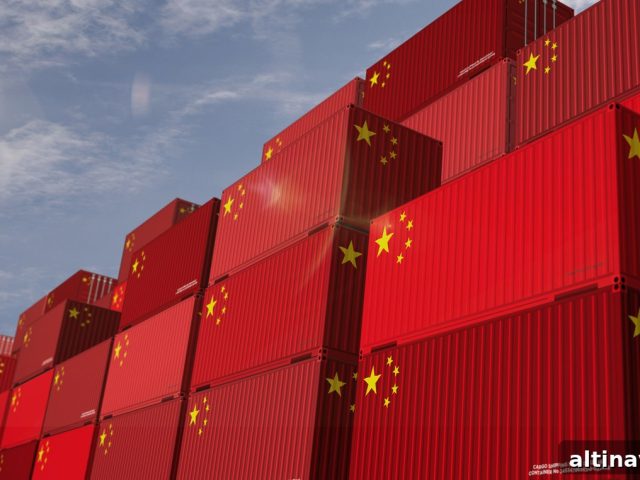
President Trump’s tariffs have attracted intense attention, but their immediate effect on overall inflation has been surprisingly small. Consumer prices rose by only 0.1% in May, even though certain imported goods experienced noticeable price increases. For example, canned fruits and vegetables rose about 1.9%, major appliances about 4.3%, and coffee roughly 1.2%. That mix—modest overall inflation with localized increases—reflects a combination of business behavior, timing, and weak consumer demand.
Three Reasons Inflation Has Stayed Low
Several clear factors help explain why tariffs have not yet translated into widespread inflationary pressure:
- Importers built inventories ahead of tariffs: Many companies anticipated higher costs and moved to stockpile imported goods before the tariffs took effect. Those existing inventories have temporarily shielded consumers from full price increases, delaying the visible impact on store shelves and wholesale prices.
- Price changes take time to flow through the economy: Tariff-driven cost increases do not automatically appear in consumer prices overnight. Contracts, retail pricing strategies, and supply chains create lags. Businesses may absorb added costs for a while, negotiate with suppliers, or phase in higher prices gradually, so headline inflation can remain muted for months after tariffs are implemented.
- Weak consumer spending limits pass-through: With household demand soft, companies face a choice: raise prices and risk losing customers, or maintain market share by holding prices steady and accepting thinner margins. This weak spending environment reduces firms’ ability and willingness to pass tariff-related costs on to consumers.
Where Price Pressure Is Showing Up
Although headline inflation is low, pocketed increases are visible in product categories most directly exposed to tariffs or supply constraints. Imported food and durable goods—like canned produce, appliances and coffee—have registered higher price growth. These sector-specific moves highlight how tariffs can create uneven effects across the economy, raising prices in certain areas while leaving overall inflation subdued.
Economists Are Divided on the Outlook
Forecasts differ about whether tariff-related inflation will strengthen. Some economists believe the delayed effects will appear more clearly in coming months as inventories deplete and businesses begin to pass on higher import costs. Others caution that continued weak consumer demand could offset those pressures and even push prices downward in some sectors.
Those who emphasize the deflationary risk point to historical precedents—such as the Smoot-Hawley tariffs of the 1930s—where tariffs coincided with significant economic contractions. While the current economy is very different from the 1930s, the comparison is used to underline the possibility that tariffs, combined with weak demand, might suppress price growth rather than accelerate it.
What the Federal Reserve Is Watching
The Federal Reserve is monitoring the relationship between tariffs and inflation closely. Officials are weighing data on consumer prices, wage growth, spending patterns, and employment to judge whether monetary policy should respond. If inflation remains subdued, the Fed could decide to ease policy; some market observers and analysts consider a rate cut as soon as September a realistic possibility, contingent on continued low inflation and other economic indicators.
Implications for Consumers and Businesses
For consumers, the immediate takeaway is mixed: some goods may cost more—particularly tariff-affected imports—while many everyday prices remain stable. Shoppers may feel the impact unevenly depending on their purchasing patterns.
Businesses face their own trade-offs. Companies that stocked up on imports earlier gain temporary relief, but those needing to replenish inventories may encounter higher costs later. Firms must weigh whether to raise prices, accept lower margins, or seek alternative suppliers—choices that will shape how tariff effects are distributed across the economy.
Bottom Line
So far, President Trump’s tariffs have had only limited impact on overall inflation, with a small rise of 0.1% in May and notable increases concentrated in certain imported goods. The delay in price transmission, inventory strategies, and weak consumer demand help explain the muted headline effect. Economists remain split on the near-term trajectory: inflation could strengthen as inventories run down, or it could stay subdued or even decline if demand remains weak. The Federal Reserve will be watching these developments carefully as it considers potential policy moves.
Popular Topics
Picked from the archive
-
01
 Topics
China May Cut Tariffs on Key US Medical and Industrial Imports
-
02
Topics
Weaponizing Supply Chains: Rare Earths to Semiconductors
-
03
Topics
76% of Central Banks to Increase Gold Reserves, WGC Survey Finds
-
04
Topics
Trump Demands Powell’s Removal as Fed Chair Warns on Tariffs
-
05
Topics
Gold Rises to No. 2 Global Reserve amid Sanctions Concerns
-
06
Topics
Daly Urges Fed to Temper Forecasts and Balance Dual Mandate
-
07
Topics
Strong Jobs Report Drives 10-Year Treasury Yield Above 4.34%
-
08
Topics
Report: Republican Tax Bill Masks Over 1 Trillion in Future Debt