Gold Rises as Dollar Share of Global Reserves Drops to 58%
Dollar’s Dominance Weakens as Central Banks Shift Toward Gold and Other Currencies
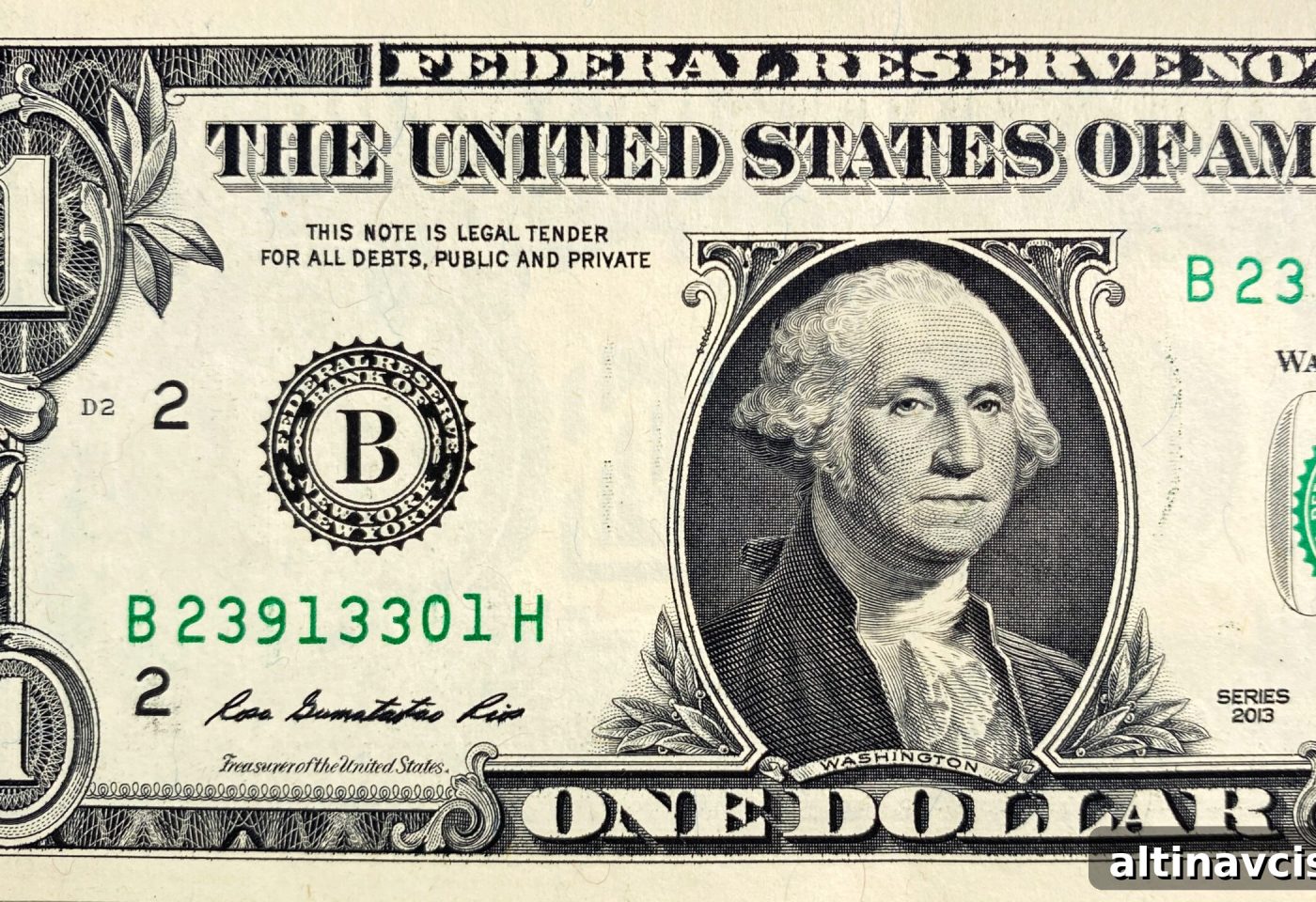
A recent report from the European Central Bank highlights a notable decline in the U.S. dollar’s share as the world’s primary reserve currency. Over the last decade, the dollar’s share of global reserves fell from 68% to 58%, and in 2024 alone it lost two percentage points of market share. This shift marks a steady erosion of the dollar’s previously unassailable position among national treasuries and monetary authorities.
Despite the dollar’s retreat, the euro has not substantially increased its share. The euro’s position remains roughly unchanged at about 20%, according to the ECB’s findings. Rather than a straightforward transfer of dollar reserves into euros, the report indicates that smaller currencies and physical assets—most notably gold—have been the primary beneficiaries of central banks’ diversification efforts.
Why Central Banks Are Increasing Gold Holdings
One of the clearest trends highlighted by the ECB is a renewed appetite for gold among official sector holders. Central banks purchased over 1,000 metric tons of gold in 2024, which the report describes as roughly double the average annual purchases seen over the previous decade. These purchases reflect a desire to hedge against geopolitical uncertainty, currency volatility and the need for a low-counterparty-risk asset within reserves.
Gold’s appeal stems from its role as a non-yielding but historically reliable store of value. In times of geopolitical stress or when confidence in major fiat currencies weakens, gold often serves as a stabilizing element in reserve portfolios. The ECB report suggests this dynamic is prompting more central banks to allocate a portion of their reserves to bullion as part of broader diversification strategies.
Why the Euro Has Not Captured More Market Share
Although the decline of the dollar might present an opening for the euro, the ECB report shows the euro’s market share has remained largely stable. Several factors help explain why the euro has not become the dominant alternative. These include the euro area’s internal economic and political complexities, fragmentation in financial markets, and the existence of many smaller, liquid reserve options that central banks find attractive for diversification purposes.
Additionally, the technical and policy requirements for a currency to serve as a true global reserve—deep, liquid capital markets; consistent macroeconomic policy; and broad international use as an invoicing and settlement currency—are not easily or quickly met. The ECB notes that while the euro remains an important global currency, competitive pressures from a wider set of assets and currencies have limited its growth as a reserve alternative to the dollar.
Market Signals and Potential Opportunities for the Euro
Recent market movements described in the report also point to shifting investor sentiment. Investors appear to be demanding higher risk premiums for U.S. assets in some contexts, which can alter global capital flows and currency dynamics. Higher risk premiums may reduce the attractiveness of U.S. dollar-denominated holdings for certain investors, opening space for other currencies and instruments to gain traction.
For the euro, this evolving landscape creates potential opportunities, particularly if policymakers and market participants can address structural barriers to wider adoption. Improvements in financial market integration, increased liquidity in euro-denominated assets, and clear, consistent macroeconomic policy could make the euro a more compelling option for reserve managers seeking alternatives to the dollar and gold.
Implications for Global Reserve Management
The ECB report underscores a broader trend toward diversification in official reserves. Central banks appear to be balancing traditional currency exposures with tangible assets like gold and a broader mix of foreign currencies. This trend is likely to influence international financial markets, including demand for sovereign debt, currency swap arrangements, and the structure of global liquidity networks.
In summary, the dollar remains the largest global reserve currency, but its share is contracting. The euro has not yet capitalized on this shift to a meaningful degree, while gold and other currencies have seen increased uptake. Policymakers and market participants will be watching how these dynamics evolve, as they carry significant implications for exchange rates, cross-border investment flows, and the architecture of international reserves.
Popular Topics
Picked from the archive
-
01
 Topics
Fed Inflation Gauge Falls to 2.1% as Consumer Spending Slows
-
02
Topics
Fed May Cut Rates After Encouraging Inflation Report
-
03
Topics
Gallup Poll: Americans Shift from Stocks to Gold
-
04
Topics
Is Monday’s Gold Selloff a Dip or the Start of a Correction?
-
05
Topics
Fed Likely to Hold Rates Amid Rising Economic Concerns
-
06
Topics
Silver Poised to Rally After Gold’s Bull Run
-
07
Topics
Kenya Central Bank to Rebuild Gold Reserves After 1998 Sale
-
08
Topics
Gold-Silver Ratio Signals Investment Shift to Silver