80 Tons a Month: Central Banks’ Gold Buying Signals Dollar Doubt
Gold Breaks Expectations: Central Banks Drive Prices Toward $3,400 an Ounce
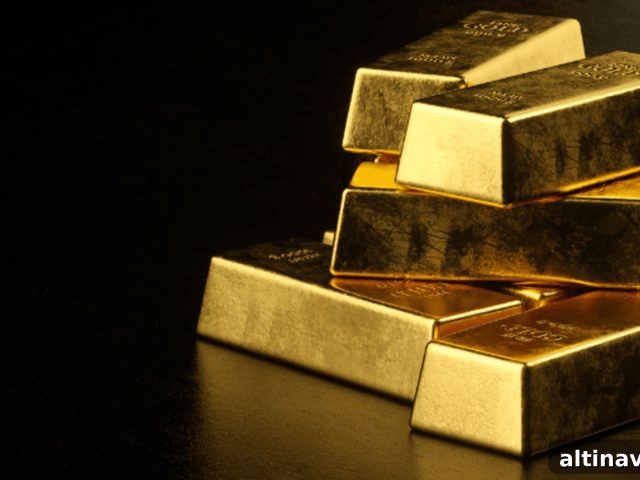
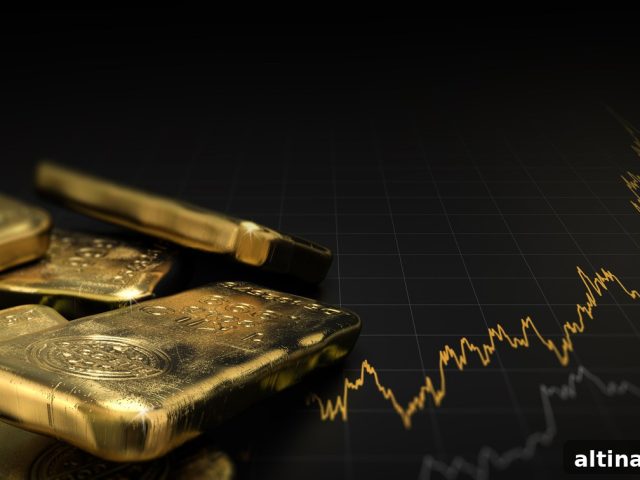
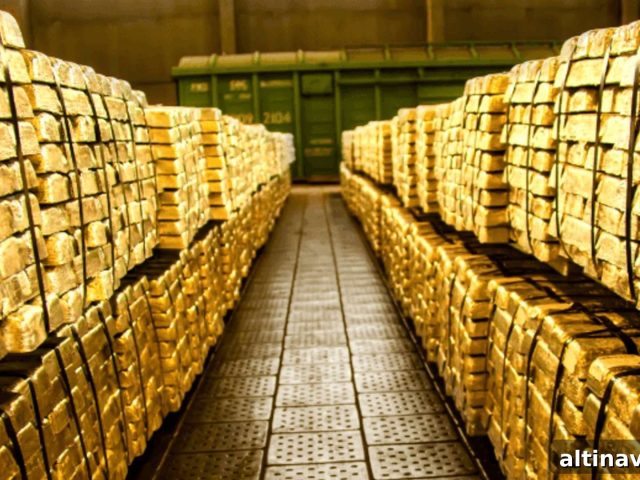
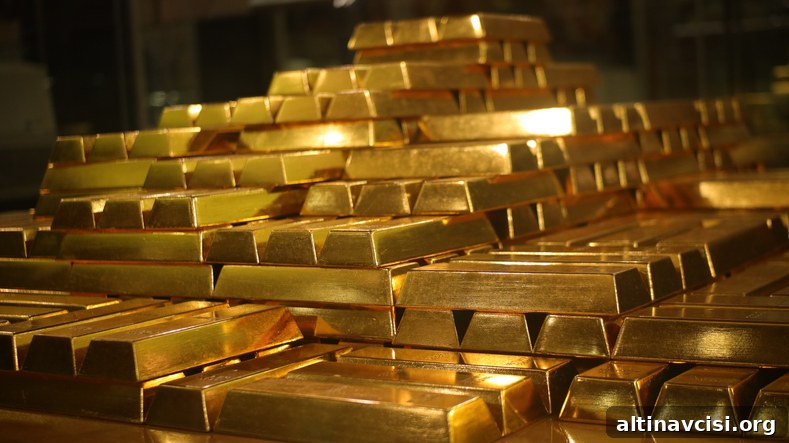
Gold prices are defying conventional market expectations, pushing toward $3,400 per ounce instead of retreating. Rather than a surge led by retail investors or speculative funds, the most significant buyers today are central banks. These official institutions continue to add roughly 80 metric tons of gold each month, a steady and substantial accumulation that is reshaping demand dynamics in the global gold market.
Unlike short-term traders, central banks purchase gold with long-term reserve strategies in mind. Their persistent buying has strengthened physical demand and tightened available supply, which in turn supports higher prices. This institutional demand is particularly influential because central banks are motivated by considerations that differ from private-market participants: currency diversification, reserve stability and geopolitical risk mitigation.
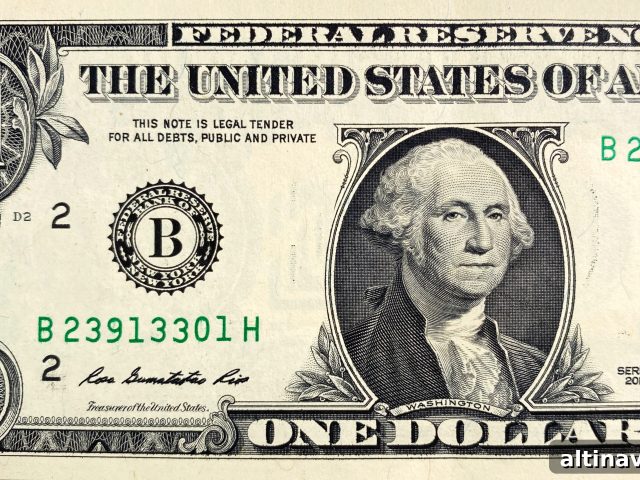
One of the central drivers behind this shift is growing concern about the role of the US dollar as the world’s primary reserve currency. Policymakers and reserve managers increasingly worry about the dollar’s reliability, especially as access to dollar-based financial systems has been used as a policy tool or sanction mechanism. The perception that dollar access can be restricted or “weaponized” against states, companies and even allied countries has prompted reserve managers to seek assets that are less exposed to the vagaries of geopolitical disputes.
Poland’s central bank governor summed up a common refrain when he described gold as “free from direct links to any country’s economic policy.” That language captures why many central banks consider gold an essential hedge: it is a tangible asset not directly tied to the economic policy decisions or banking systems of any single nation. In an era of heightened geopolitical tension and shifting trade relationships, that independence carries substantial appeal.
Although macroeconomic factors such as interest rates, inflation expectations and monetary policy still matter for gold’s price path, the central bank purchases have altered the balance. Sustained official-sector buying reduces the pool of bullion available for private investors, while also signaling a strategic pivot among sovereign reserve managers toward non-dollar assets. Those twin effects help explain why gold can continue to climb even in environments where conventional indicators might suggest a pullback.
Geopolitical uncertainty is a second reinforcing factor. Conflicts, sanctions and diplomatic disputes increase demand for safe-haven assets. When geopolitical tensions rise, institutions and investors typically look for stores of value that offer protection against currency shocks, capital controls or financial market disruptions. Gold’s historical role as a crisis hedge positions it well in such scenarios, and central banks appear to be acting on that rationale.
That said, gold’s advance is not without risks. Prices can be volatile if macroeconomic conditions change—if interest rates move sharply, or if confidence in the dollar is restored through international policy shifts or diplomatic agreements. But for now, the structural accumulation by central banks and persistent geopolitical uncertainty make a compelling case for continued elevated demand.
For investors and analysts watching the bullion market, the lesson is clear: the composition of demand matters. When the most influential buyers are state entities with strategic reserve objectives, price behavior can diverge from short-term technical expectations. The current pattern—steady monthly purchases of roughly 80 metric tons, concerns about dollar reliability, and a preference for assets unlinked to any single country’s policy—suggests a sustained period in which gold maintains its appeal as a core reserve and diversification instrument.
In summary, gold’s advance toward $3,400 per ounce reflects a deeper structural shift in global reserves and risk management. Central banks’ ongoing accumulation, driven by concerns about the dollar and geopolitical risk, has turned what might have been a temporary spike into a more durable trend. As long as geopolitical tensions persist and the United States continues policies perceived as prioritizing national leverage in dollar access, gold is likely to remain a favored asset for those seeking stability outside of the traditional currency system.
Popular Topics
Picked from the archive
-
01
 Topics
Fed Inflation Gauge Falls to 2.1% as Consumer Spending Slows
-
02
Topics
Fed May Cut Rates After Encouraging Inflation Report
-
03
Topics
Gallup Poll: Americans Shift from Stocks to Gold
-
04
Topics
Is Monday’s Gold Selloff a Dip or the Start of a Correction?
-
05
Topics
Fed Likely to Hold Rates Amid Rising Economic Concerns
-
06
Topics
Silver Poised to Rally After Gold’s Bull Run
-
07
Topics
Kenya Central Bank to Rebuild Gold Reserves After 1998 Sale
-
08
Topics
Gold-Silver Ratio Signals Investment Shift to Silver