US Dollar Rally Stalls Amid Rising Fiscal Concerns
Dollar’s Early Rally Fades After Court Blocks Broad Tariffs; Market Focus Shifts to Trade Uncertainty and Fiscal Concerns
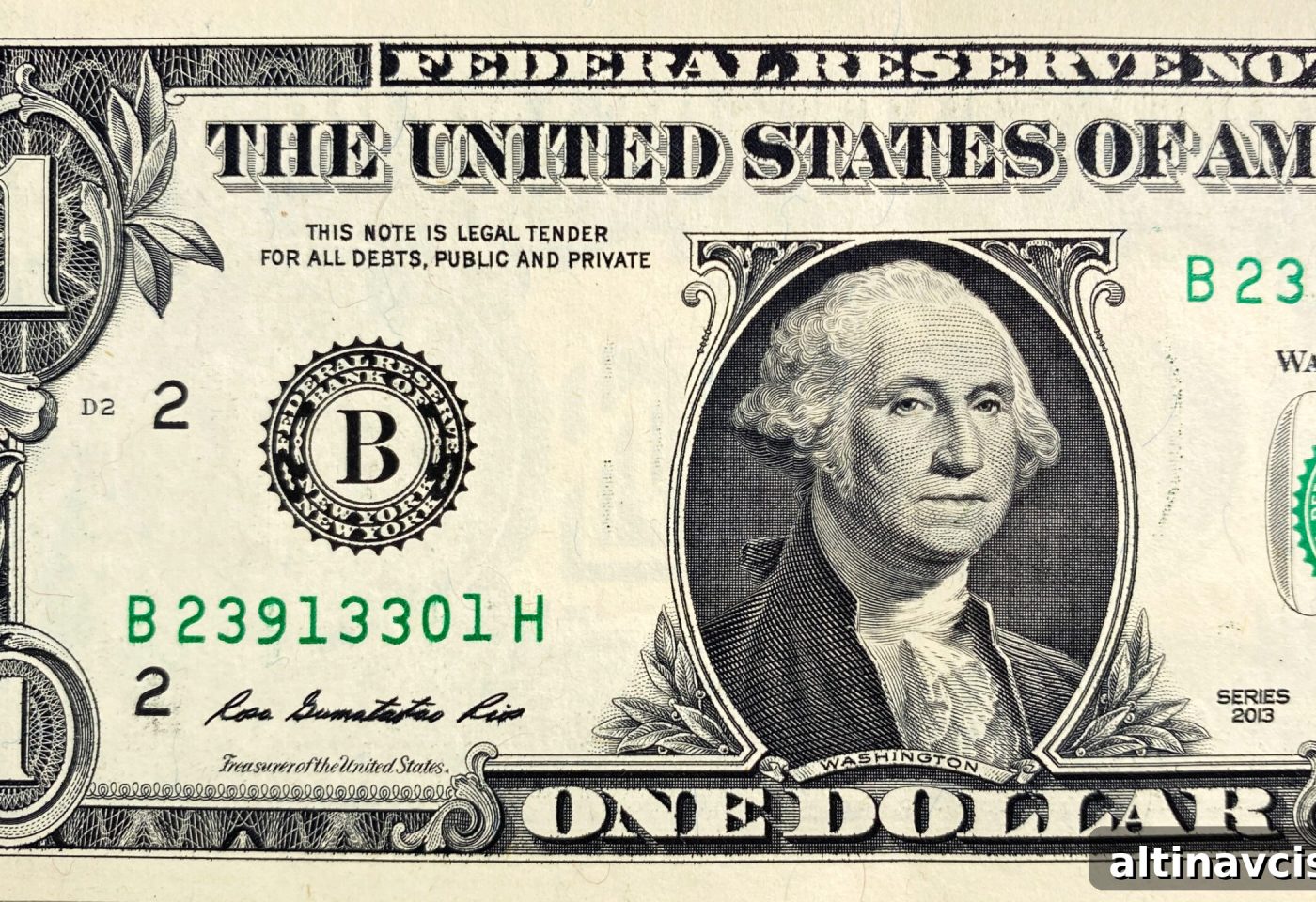
The US dollar initially strengthened after a court temporarily blocked a plan by President Trump to impose broad import tariffs, but that early rally quickly lost momentum. By the end of Thursday, the dollar had recorded only modest gains against major currencies such as the Japanese yen and the Swiss franc, as investors reassessed the longer-term implications of the ruling.
Markets reacted immediately to the legal decision, pushing the dollar higher on hopes that a halt to sweeping tariff measures might ease near-term trade tensions. However, the lift proved short-lived as traders shifted their attention from the headline news to the broader landscape of trade policy and US fiscal prospects. The limited scope of the dollar’s advance reflects a market that now faces multiple, unresolved uncertainties rather than a single, decisive event.
One key concern for currency markets is the potential impact on government revenues. Tariffs can provide a source of income for the federal budget, and a court-imposed barrier to broad tariffs raises questions about the scale of tariff-related revenue Washington can realistically expect. If tariff receipts are reduced or delayed, that could complicate fiscal planning and add another layer of uncertainty to an already fragile budget outlook. Investors often price in these uncertainties, and the mixed reaction in currency markets suggests there is still significant doubt about the near-term fiscal picture.
Beyond revenues, the ruling does not eliminate the risk of renewed trade frictions. While the court action halted the president’s universal tariff plan for now, it does not preclude the administration from pursuing other instruments to advance a trade agenda. Policymakers could pivot toward more targeted tariffs, negotiated trade agreements, regulatory measures, or alternative executive actions. The possibility of different policy tools keeps trade uncertainty alive, and that ongoing uncertainty tends to weigh on investor sentiment and exchange-rate stability.
Currency traders are closely monitoring hints from both policymakers and market signals. A broad, sustained appreciation of the dollar typically requires a clear, persistent shift in either monetary policy expectations or in fundamentals such as trade flows and fiscal balances. The recent court decision delivered a short-lived clarity on one front, but it left many questions unanswered on others. As a result, the dollar’s gains were pared back as the market digested a fuller picture of potential outcomes.
Financial markets now appear to be pricing in a range of scenarios rather than reacting to a single development. For example, if the administration succeeds with narrower, targeted trade measures, the direct impact on global trade and tariffs could be limited, softening any long-term effect on the dollar. Conversely, if alternative strategies effectively raise trade tensions or if fiscal pressures increase due to lost tariff revenue, the dollar and other assets could see renewed volatility. This balance of possibilities is likely why the currency’s move was modest rather than pronounced.
Investor caution is evident in the behavior of other safe-haven assets as well. The yen and the Swiss franc, traditional refuge currencies, saw only small moves versus the dollar, reflecting a market that is both reactive to policy news and wary of future twists. Portfolio managers and currency strategists are likely to remain attentive to further legal developments, official statements, and indications of whether alternative trade measures will be pursued.
In the coming days, market participants will watch for clarifying signals from the administration, updates from the courts, and any new fiscal projections that may factor in tariff revenue assumptions. Until there is greater clarity on how trade policy will evolve and what it means for US fiscal health, the dollar’s path is likely to remain choppy. For now, the takeaway is that a single court ruling produced only a temporary shift in sentiment, and investors are pricing in a range of potential futures rather than betting on any one outcome.
Popular Topics
Picked from the archive
-
01
 Topics
Silver Poised to Rally After Gold’s Bull Run
-
02
Topics
Japan’s Finance Minister: U.S. Treasuries Could Sway Trade Talks
-
03
Topics
Gold Tops $3,500 as Trump-Powell Tensions Rattle Markets
-
04
Topics
Oil Price Tops $65 as US-China Trade Talks Lift Markets
-
05
Topics
What’s Driving Gold Volatility: Trade Tensions or Inflation?
-
06
Topics
Trump Raises Metal Tariffs to 50% as EU Reports Trade Progress
-
07
Topics
Why Investors Are Treating Gold as a Strategic Asset Again
-
08
Topics
Gold Falls Below $3,300 as US-China Trade Hopes Rise