Global Bond Markets Rally as Debt Issuance Patterns Shift
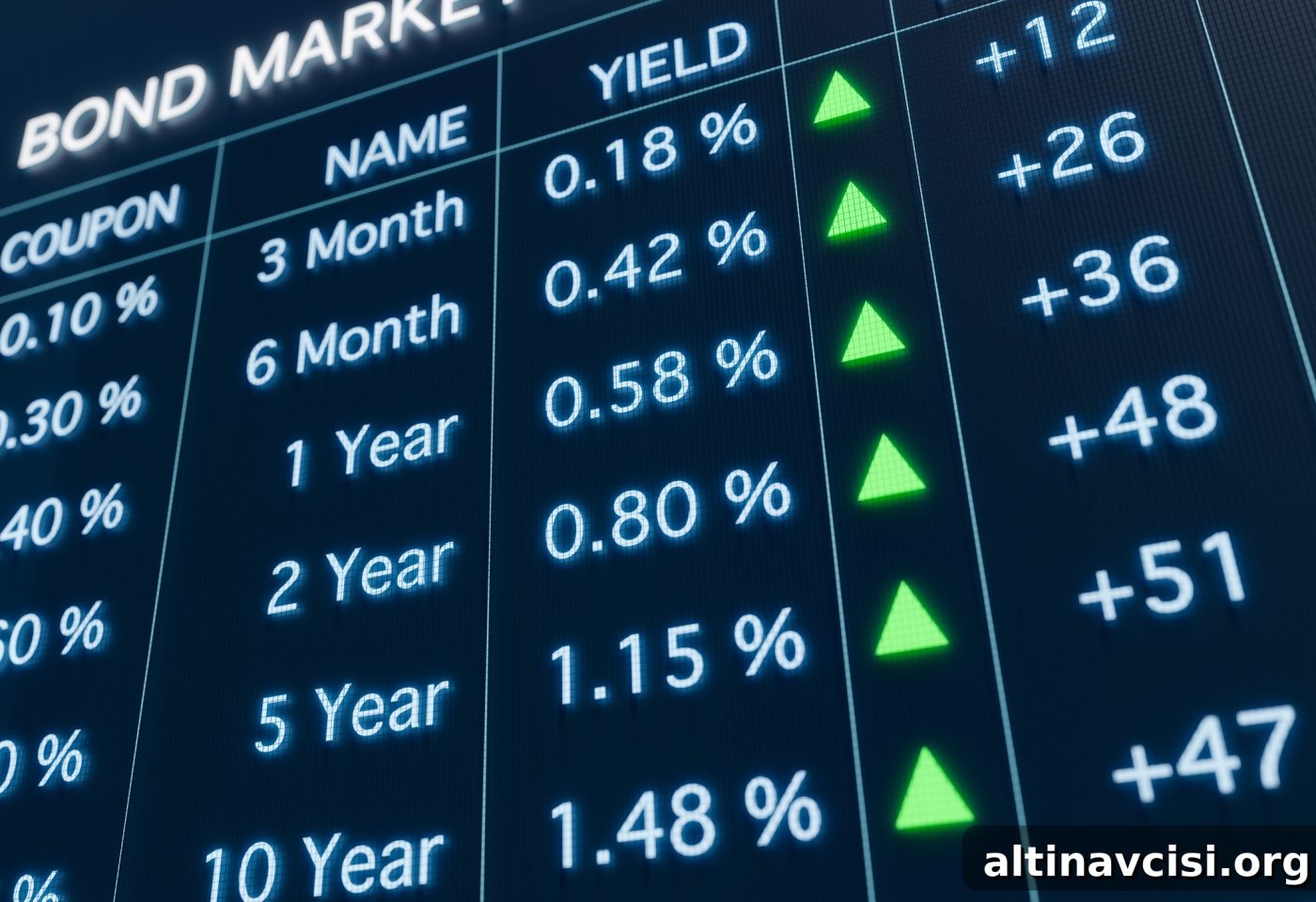
Global Bond Markets React to Long-Term Debt Issuance Signals
Global bond markets have recently undergone a period of sharp volatility as investors responded to new signals from major issuers about changes in long-term debt issuance. Initial market reactions showed a marked avoidance of long-dated bonds, followed by a rapid rebound as traders and institutional investors reassessed supply expectations and policy intentions. The episode underscores the sensitivity of fixed-income markets to communication from finance ministries and the ongoing concerns about long-term debt sustainability.
What Sparked the Volatility
The latest swings were triggered by indications from Japan’s finance ministry that it may cut issuance of very long-term bonds, specifically 30- and 40-year maturities. Shortly thereafter, similar plans flagged by authorities in the United Kingdom added to market moves, prompting long-term yields to fall as traders anticipated lower future supply. Such official signals can quickly change the balance between supply and demand, causing rapid price adjustments across the curve.
In parallel, the U.S. 30-year yield moved lower as well, reversing a recent uptick that had pushed it to multi-year highs. These broad moves reflect how closely linked sovereign bond markets are: shifts in one major issuer’s issuance plans or perceived fiscal trajectory often ripple through global rates, affecting pricing, hedging, and portfolio allocation decisions around the world.
Why Long-Term Debt Is Especially Sensitive
Long-dated bonds are particularly sensitive to changes in supply expectations and investor sentiment. When governments signal reduced issuance of 30- and 40-year paper, the immediate technical implication is less future supply, which can support higher bond prices and lower yields. Conversely, indications that long-term issuance might rise—or that fiscal pressures could lead to increased borrowing—tend to push yields higher as investors demand compensation for duration risk and potential inflation over longer horizons.
Beyond technical supply-demand mechanics, long-term bonds carry distinct risks tied to inflation expectations, economic growth projections, and fiscal sustainability. Investors weigh the ability and willingness of governments to service long-term liabilities, and any signal that shifts that balance can affect required returns across maturities. The episode also highlighted how quickly market psychology can swing between risk aversion and risk-seeking behavior as new information is absorbed.
Market Implications and Policy Considerations
The recent turbulence has several implications. For issuers, it reinforces the importance of clear, predictable debt management strategies and transparent communication about issuance calendars. Sudden or ambiguous signals about long-term supply can exacerbate volatility and raise borrowing costs if investors demand higher yields to compensate for uncertainty.
For investors and market participants, the episode served as a reminder of the need to monitor fiscal signals and central-government communications closely. Portfolio managers, pension funds, insurers, and other large holders of sovereign debt often adjust duration, hedging strategies, and allocations in response to evolving issuance and macro expectations. Liquidity considerations also come into play: in volatile stretches, the ability to trade large positions without moving markets becomes more valuable.
Looking Ahead
Going forward, markets will likely remain attentive to further announcements from major issuers and to broader economic indicators that influence long-term yields, such as inflation trends and growth prospects. Clear, consistent communication from finance ministries can help reduce unnecessary market turbulence, while an emphasis on credible fiscal plans supports investor confidence in long-term debt sustainability.
Although the immediate shock has subsided, the episode is a useful case study in how policy signals, market structure, and investor psychology interact to shape global bond yields. As governments balance borrowing requirements with investor caution, the interplay between issuance strategy and market reaction will continue to be a central factor for sovereign financing costs and portfolio management decisions worldwide.
Popular Topics
Picked from the archive
-
01
 Topics
ECB Cuts Rates to 2.25% as Trump Tariff Looms Over Eurozone
-
02
Topics
ANZ Forecast: Gold Pullback Opens Buying Window Toward $3,600
-
03
Topics
Trump Presses Powell on Interest Rates in White House Meeting
-
04
Topics
Technical Indicators Point to Bullish Breakout for Gold
-
05
Topics
Fed Keeps Rates Steady Despite Trump’s Push to Oust Powell
-
06
Topics
Trump Tariffs and European Growth Push Dollar to 2002 Low
-
07
Topics
US Initial Jobless Claims Jump to 240,000
-
08
Topics
Trump Tariff Threats Could Send Gold to Record Highs