Why Investors Are Treating Gold as a Strategic Asset Again
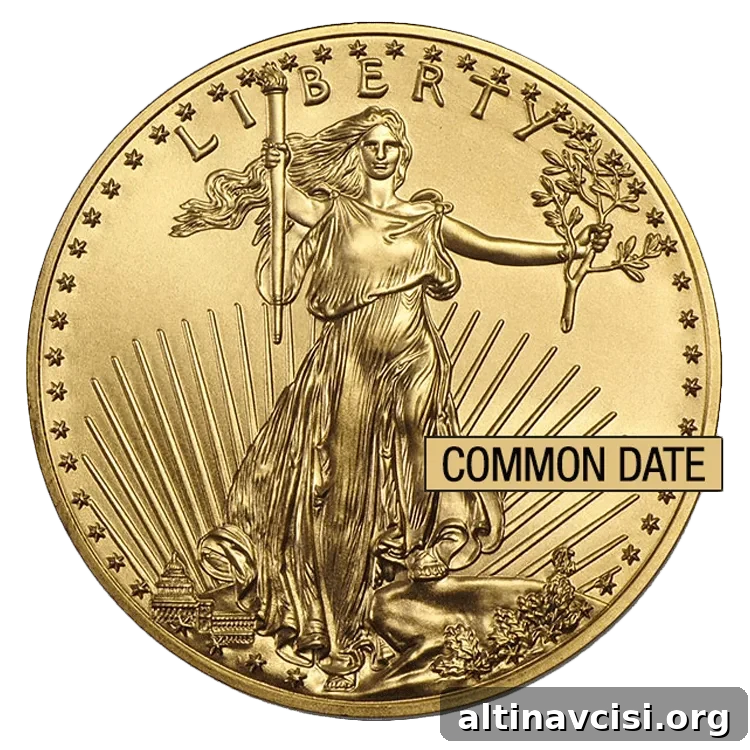
Gold Surges in 2025: Drivers, Current State, and Market Outlook
In 2025 gold experienced a significant rally, reaching a peak price of $3,500 per ounce. That surge was driven by three primary factors: escalating geopolitical tensions, concerns about U.S. fiscal policy, and sustained demand from central banks. These forces combined to strengthen gold’s appeal as a safe-haven asset and a store of value during a period of heightened uncertainty.
Key Drivers Behind the Rally
Geopolitical Tensions
Persistent conflicts and heightened geopolitical risk in regions such as the Middle East and Ukraine have pushed investors toward safe-haven assets. In times of conflict or regional instability, gold typically benefits because it is viewed as a reliable store of value that is not directly tied to any single government or currency. This flight to safety helps explain part of the upward pressure on prices during 2025.
U.S. Fiscal Concerns
U.S. fiscal dynamics have also played a notable role. Reports of a $1.9 trillion budget deficit, combined with discussions about extending tax cuts without equivalent spending offsets, have unsettled some investors. Elevated fiscal deficits can raise questions about long-term inflationary pressures and the strength of the dollar, both of which tend to support increased interest in gold as a hedge against currency and policy uncertainty.
Central Bank Demand
Another important factor is the continued accumulation of gold by emerging market central banks. Increasing reserves of physical gold is a strategy some central banks use to reduce reliance on any single reserve currency and to diversify reserve holdings. Sustained central bank buying can provide steady, long-term support for the gold market.
Recent Price Movement and Market Sentiment
After hitting the $3,500 peak, the price of gold retraced to around $3,185 per ounce. This short-term pullback does not necessarily indicate a reversal of the underlying trend; rather, it reflects normal market volatility as traders and investors reassess risks, reposition portfolios, and react to short-term news flow. Analysts monitoring macroeconomic and geopolitical developments have suggested that, should the existing risks remain unresolved, prices could move back toward the prior high by year-end.
Why Gold Remains Relevant
Gold’s role in portfolios often becomes more pronounced during uncertain periods. It can act as:
- a hedge against inflationary concerns spurred by fiscal deficits;
- a diversification tool when traditional assets face correlation shifts;
- a perceived safe haven amid geopolitical instability.
These attributes help explain why both private investors and public institutions find gold attractive when macro and geopolitical risks rise.
What Investors Should Consider
Investors looking at gold in the current environment should weigh several considerations:
- Risk tolerance and time horizon: Gold can be volatile in the short term, even if it serves as a longer-term insurance policy against uncertainty.
- Portfolio diversification: Allocating to gold as part of a diversified portfolio can reduce overall portfolio risk, but allocation size should reflect individual goals and risk appetite.
- Market drivers: Keep an eye on geopolitical developments, U.S. fiscal policy debates, and central bank reserve behavior, as these factors are likely to influence price direction.
Outlook
The outlook for gold depends heavily on how the three main drivers evolve. If geopolitical tensions continue and fiscal balances remain a concern while central banks persist in adding reserves, the conditions that supported the 2025 surge could remain in place. Under those circumstances, analysts have indicated that a return to the $3,500 level by year-end is possible. Conversely, resolution of these risks or a shift in monetary and fiscal expectations could reduce upward pressure on prices.
In summary, gold’s 2025 rally to $3,500 per ounce was underpinned by geopolitical uncertainty, U.S. fiscal concerns tied to a $1.9 trillion deficit, and steady central bank buying. A recent pullback to $3,185 reflects market volatility, but the metal’s fundamental appeal as a hedge and reserve asset remains intact while the cited risks persist.
Popular Topics
Picked from the archive
-
01
 Topics
ECB Cuts Rates to 2.25% as Trump Tariff Looms Over Eurozone
-
02
Topics
ANZ Forecast: Gold Pullback Opens Buying Window Toward $3,600
-
03
Topics
Trump Presses Powell on Interest Rates in White House Meeting
-
04
Topics
Technical Indicators Point to Bullish Breakout for Gold
-
05
Topics
Fed Keeps Rates Steady Despite Trump’s Push to Oust Powell
-
06
Topics
Trump Tariffs and European Growth Push Dollar to 2002 Low
-
07
Topics
US Initial Jobless Claims Jump to 240,000
-
08
Topics
Trump Tariff Threats Could Send Gold to Record Highs