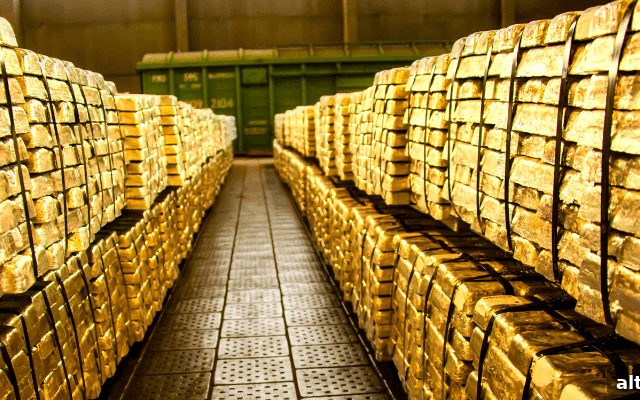
Chinese Demand Fuels Rally in Gold and Silver
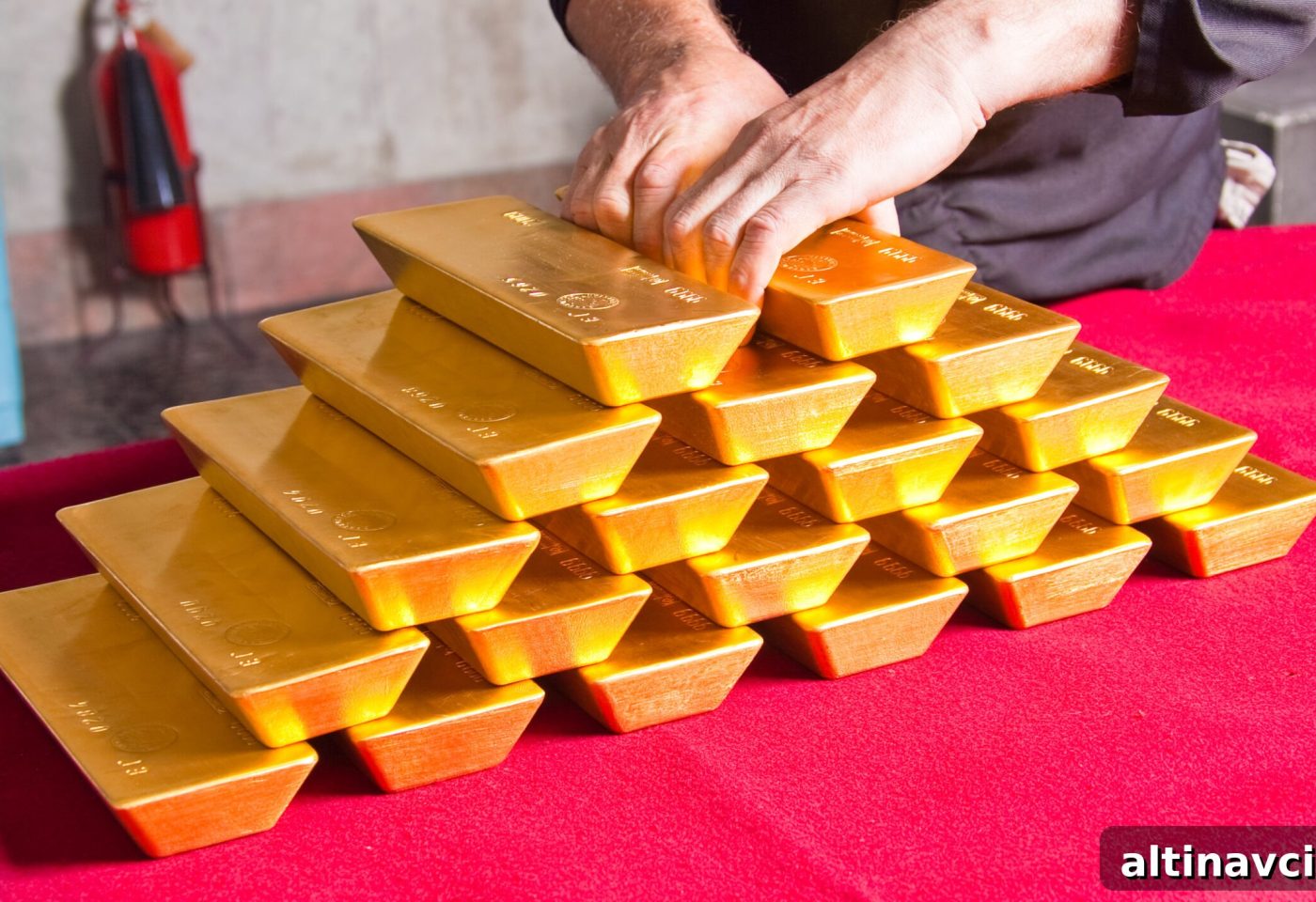
Gold Rebounds to $3,300 as Chinese Demand Drives Market Strength
Gold jumped back to around $3,300 after briefly dipping to $3,100, with the recovery led largely by demand originating in China rather than renewed buying from Western institutional investors. Activity on Shanghai’s exchanges helped trigger follow-on purchases on COMEX, highlighting how Asian trading flows can set the tone for global precious metals markets.
Shanghai Trading Spurs Global Follow-Through
Trading activity in Shanghai has been a focal point for the recent rebound. Open interest on the Shanghai Futures Exchange for both gold and silver reached very high levels, reflecting heightened participation and liquidity. That elevated interest encouraged additional buying on other venues, including COMEX, as traders and arbitrageurs reacted to price differentials and shifting risk sentiment.
Importantly, many Chinese traders maintained their positions through a recent 8% market pullback. That willingness to hold through volatility signals conviction among buyers on the mainland and reduces the likelihood of a swift reversal driven by forced selling from those participants.
Market Structure and Positioning
Current positioning across major market participants appears relatively balanced. Data from the Commodity Futures Trading Commission (CFTC) shows neutral aggregate positioning among non-commercial traders in the United States, suggesting the market is not overly crowded on one side. At the same time, exposure among non-Chinese hedge funds is limited, which may reduce downward pressure from Western speculative funds if prices face stress.
A less crowded trade can allow price moves driven by genuine physical demand or shifts in risk perception to persist longer, since there are fewer leveraged positions that would need to be unwound in a rush. That environment complements the strong participation seen in Shanghai and helps explain the resilience of the recent rally.
Sovereign Debt Concerns and Gold’s Appeal
One of the major catalysts behind renewed interest in gold is rising concern about sovereign debt and broader credit stress. As government borrowing costs rise and questions about fiscal stability grow, investors increasingly view gold as an asset with no counterparty risk. Unlike bonds or bank deposits, gold does not carry liability claims against an issuer—an attribute that becomes more attractive when confidence in sovereign credit is strained.
In the current climate, headline data pointing to elevated US Treasury yields—approaching the 5% area—and widening measures of sovereign credit risk have intensified that dynamic. With credit default swap spreads in some markets noted as unusually high, market participants are reassessing the role of traditional safe assets. Gold, which historically functions as a store of value and a hedge against systemic uncertainty, has benefited from that reassessment.
What This Means for Investors
For investors, the recent price action underscores several themes to consider: the importance of global demand dynamics, particularly from Asia; how market structure and positioning can amplify or dampen moves; and the role of macro credit concerns in shifting asset allocation toward non-sovereign alternatives.
Gold’s current advance, supported by persistent Chinese buying and relatively neutral positioning elsewhere, suggests a market driven more by physical and regional demand dynamics than by a speculative rush from Western hedge funds. That does not preclude pullbacks or consolidation, but it does indicate that the path of least resistance may remain upward if sovereign debt concerns deepen or if further strong demand emerges from key buyers.
Outlook and Considerations
Near-term price direction will likely depend on a combination of factors: continued participation in Asian markets, changes in global interest rates and credit spreads, and whether positioning among large Western funds remains restrained. Investors should weigh gold’s defensive attributes—particularly its lack of counterparty risk—against the backdrop of higher yields and ongoing macro uncertainty.
In summary, the rebound to about $3,300 reflects more than a technical recovery; it points to a structural shift in who is driving the market. Strong Chinese demand, high futures interest in Shanghai, neutral CFTC positioning, and rising sovereign debt concerns all contribute to a narrative in which gold is being recognized again as a portfolio diversifier and a hedge against systemic credit and political risks.
Popular Topics
Picked from the archive
-
01
 Topics
Wealthy Investors Move from Dollar Assets to Gold and China, UBS Says
-
02
Topics
Study Finds 1 in 4 Americans Are Functionally Unemployed
-
03
Topics
Gold Falls After Trump Reinstates EU Trade Talks Deadline
-
04
Topics
Gallup Poll: Americans Shift from Stocks to Gold
-
05
Topics
Fed to Hold Rates Steady Despite Trump’s Push for Cuts
-
06
Topics
Israel Considers Action on Iran as Oil Prices Rise
-
07
Topics
US-China Tariff Talks Push Markets Away from Gold
-
08
Topics
OPEC+ Output Rise Pushes Oil Prices Lower Amid Demand Fears