Interactive Brokers’ Sosnick: Why Gold Is America’s Anti-Dollar
Gold as the Anti-Dollar: Why Investors Are Turning to Gold
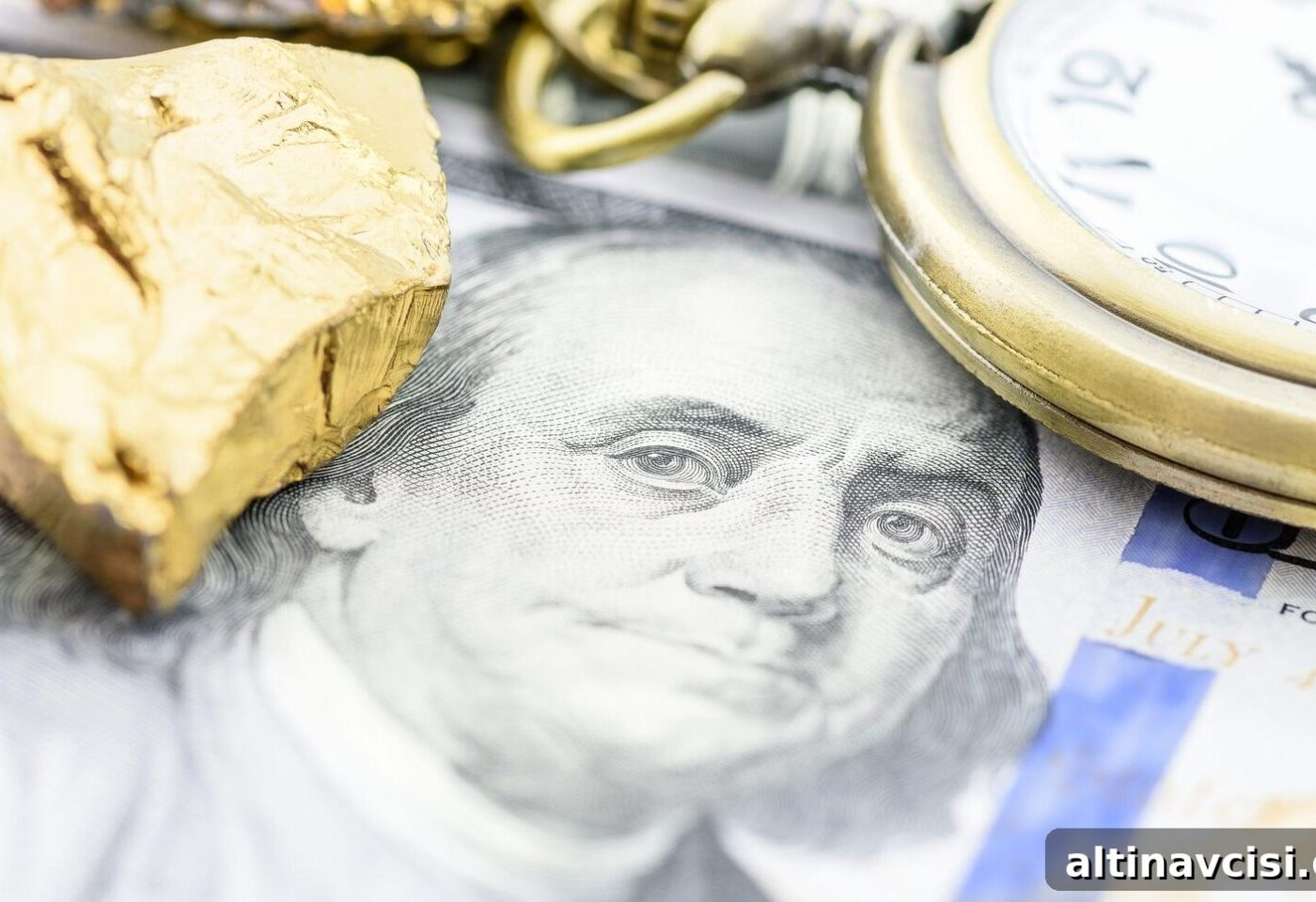
Steve Sosnick, chief strategist at Interactive Brokers, has characterized gold as the “anti-dollar,” underscoring the metal’s well-established inverse relationship with the U.S. dollar. This succinct description highlights a central dynamic in global markets: when confidence in the dollar weakens, investors often shift toward gold as an alternative store of value.
Understanding the Inverse Relationship Between Gold and the Dollar
The notion of gold as the “anti-dollar” reflects a broader pattern rather than a mechanical rule: gold prices and the value of the dollar often move in opposite directions. When the dollar softens, gold typically becomes more attractive to holders of other currencies and to those seeking protection against currency depreciation. Conversely, a stronger dollar can put downward pressure on gold by making it more expensive in other currencies and reducing its appeal as an inflation hedge.
Political and Fiscal Instability Fueling Demand
Sosnick points to recent political and fiscal instability in the United States as a key driver behind renewed interest in gold. He specifically cites factors such as credit downgrades and growing deficits, which can undermine confidence in fiscal stewardship and the dollar’s long-term purchasing power. In environments where policy direction is unclear or fiscal fundamentals are in question, market participants frequently re-evaluate their exposure to fiat currencies and seek assets that have maintained value over long periods.
These concerns are not limited to short-term market noise. When investors perceive that monetary and fiscal policy may be inconsistent or unpredictable, they often favor assets that offer relative stability. Gold, with its historical role as a store of value and hedge against currency weakness, tends to gain attention under such circumstances.
Monetary Policy Uncertainty and Continued Demand
Another important element Sosnick highlights is the link between monetary policy uncertainty and gold demand. When central bank actions are ambiguous—whether due to changing inflation expectations, interest rate debates, or shifting policy stances—markets can experience heightened volatility. In these moments, investors may increase allocations to gold to shield portfolios from currency swings and policy-driven market moves.
Sosnick expects that if the dollar weakens further or if monetary policy remains uncertain, demand for gold will continue. This anticipated demand is grounded in the metal’s function as both a hedge against currency depreciation and a means of diversifying exposure to financial-system risks.
Gold’s Role as a Stabilizing Force
In volatile markets, gold’s reputation as a stabilizing asset has been reinforced. While gold does not eliminate risk, it can act as a counterbalance in portfolios that are heavily exposed to dollar-denominated assets or to conventional financial instruments. Investors who prioritize capital preservation and risk mitigation often view gold as a complementary holding—particularly when confidence in governmental fiscal management or currency strength is wavering.
Importantly, this role is driven by investor behavior and market sentiment as much as by fundamental properties of the metal. Gold’s scarcity, long history as a store of value, and lack of direct counterparty risk contribute to its appeal during uncertain times.
What This Means for Investors
For investors, the takeaway from Sosnick’s perspective is that gold can serve as a meaningful hedge amid political or fiscal uncertainty and when the dollar shows signs of weakness. Incorporating gold into a diversified portfolio may provide a buffer against currency fluctuations and policy-related market shifts. As always, allocation decisions should reflect individual risk tolerance, investment horizon, and broader portfolio objectives.
In summary, Steve Sosnick’s view frames gold as a defensive asset that gains attention when confidence in the dollar and in fiscal or monetary policy wavers. Given current concerns about credit ratings and expanding deficits, gold’s function as a stabilizing presence in volatile markets appears to be strengthening, and investors may continue to look to the metal as a hedge in uncertain times.
Popular Topics
Picked from the archive
-
01
 Topics
Gold Gains on Safe Haven Demand Amid Trade Deal Fallout
-
02
Topics
Gold Soars 33% in 2025: From Trump Trade to Sell America
-
03
Topics
Is Monday’s Gold Selloff a Dip or the Start of a Correction?
-
04
Topics
Treasury Market Steady as GDP Falls and Jobless Claims Rise
-
05
Topics
Fed Likely to Hold Rates as Tariffs Cloud Inflation Outlook
-
06
Topics
Trump Plans 25% Tariff on Imported iPhones, Targeting Apple
-
07
Topics
Consumers Rush Purchases Before Tariff Hikes, Retail Sales Soar
-
08
Topics
Gold Drops 3% as U.S.-China Trade Deal Calms Markets